Event Design · Room Layout · Brand
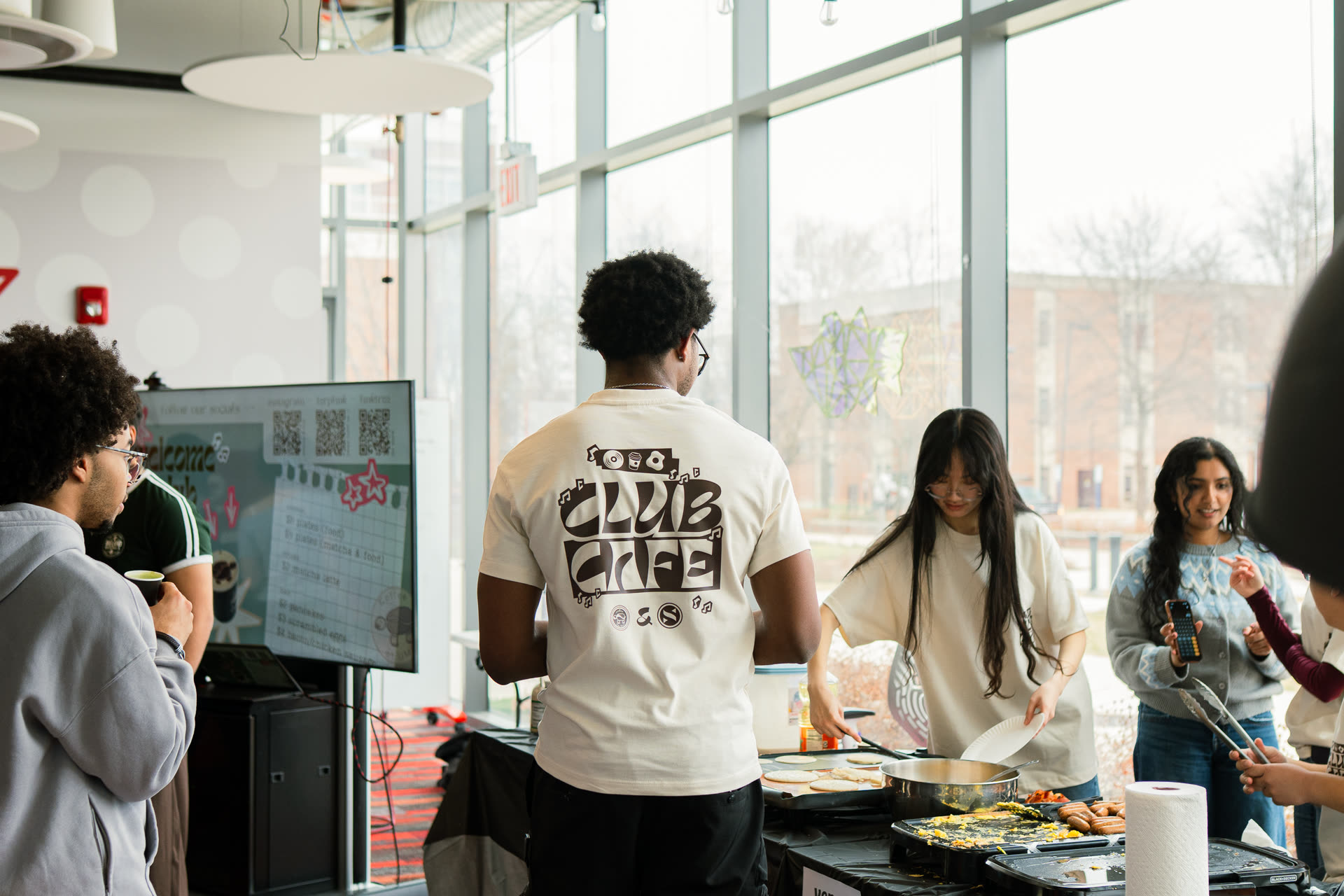
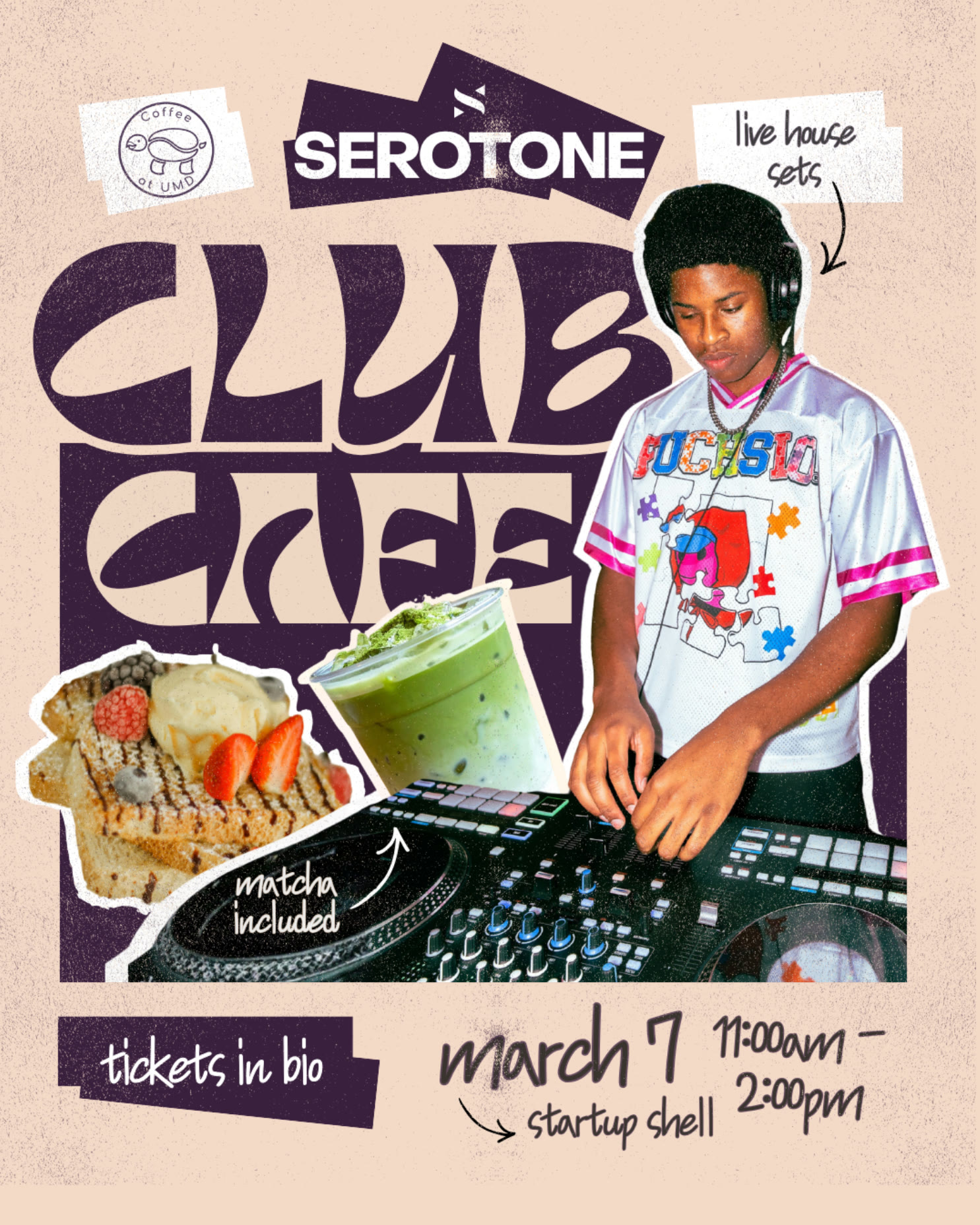
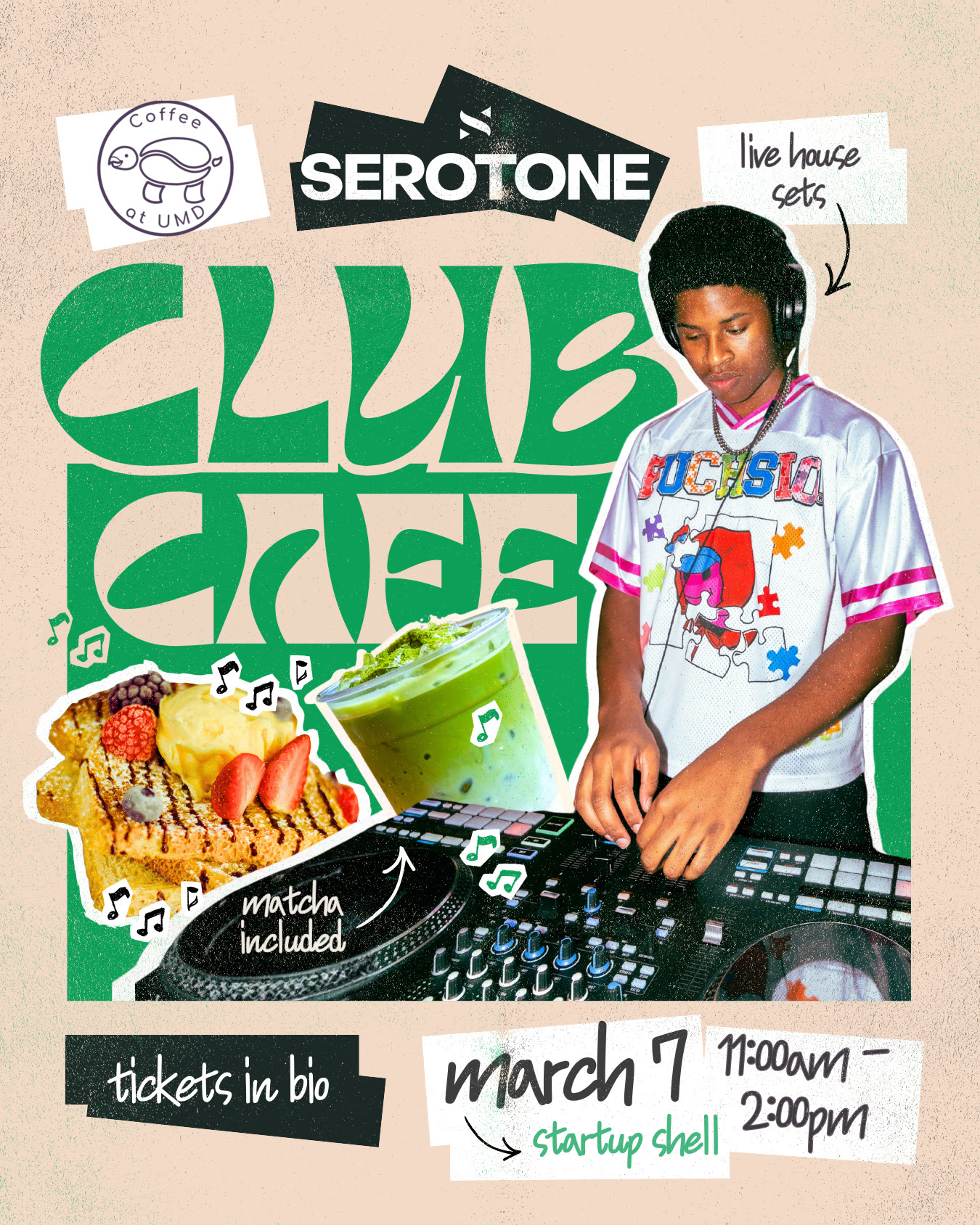
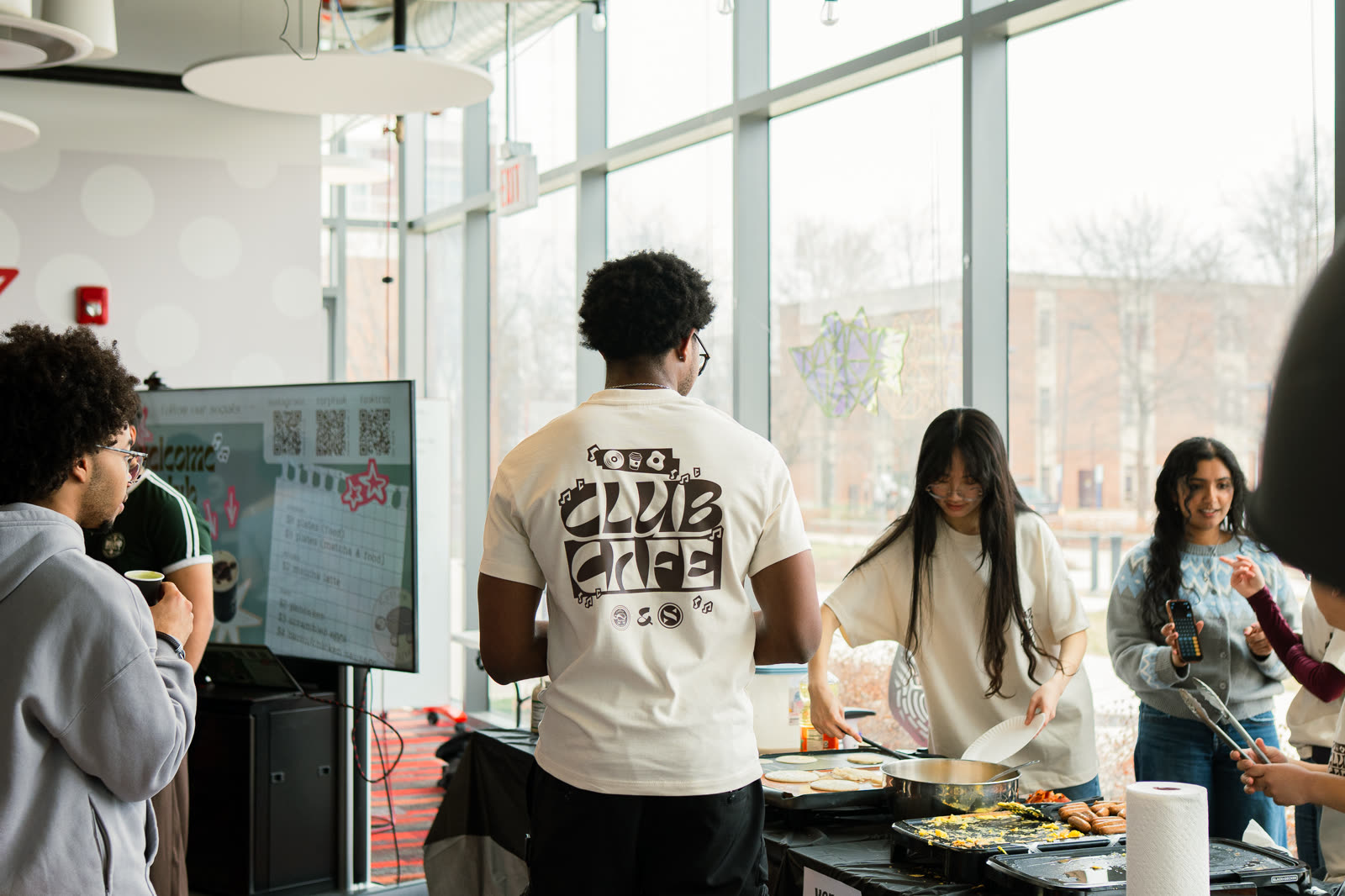
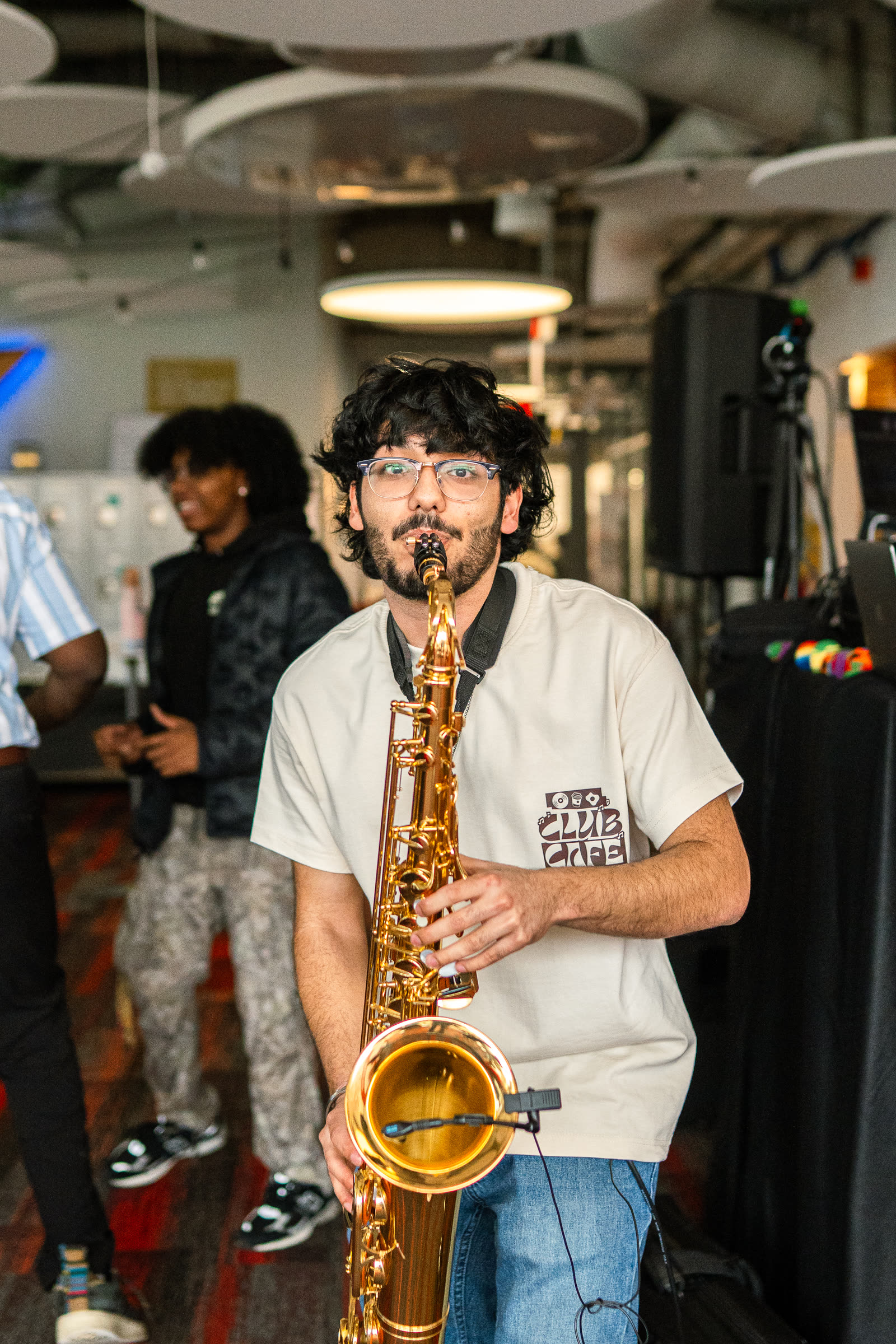
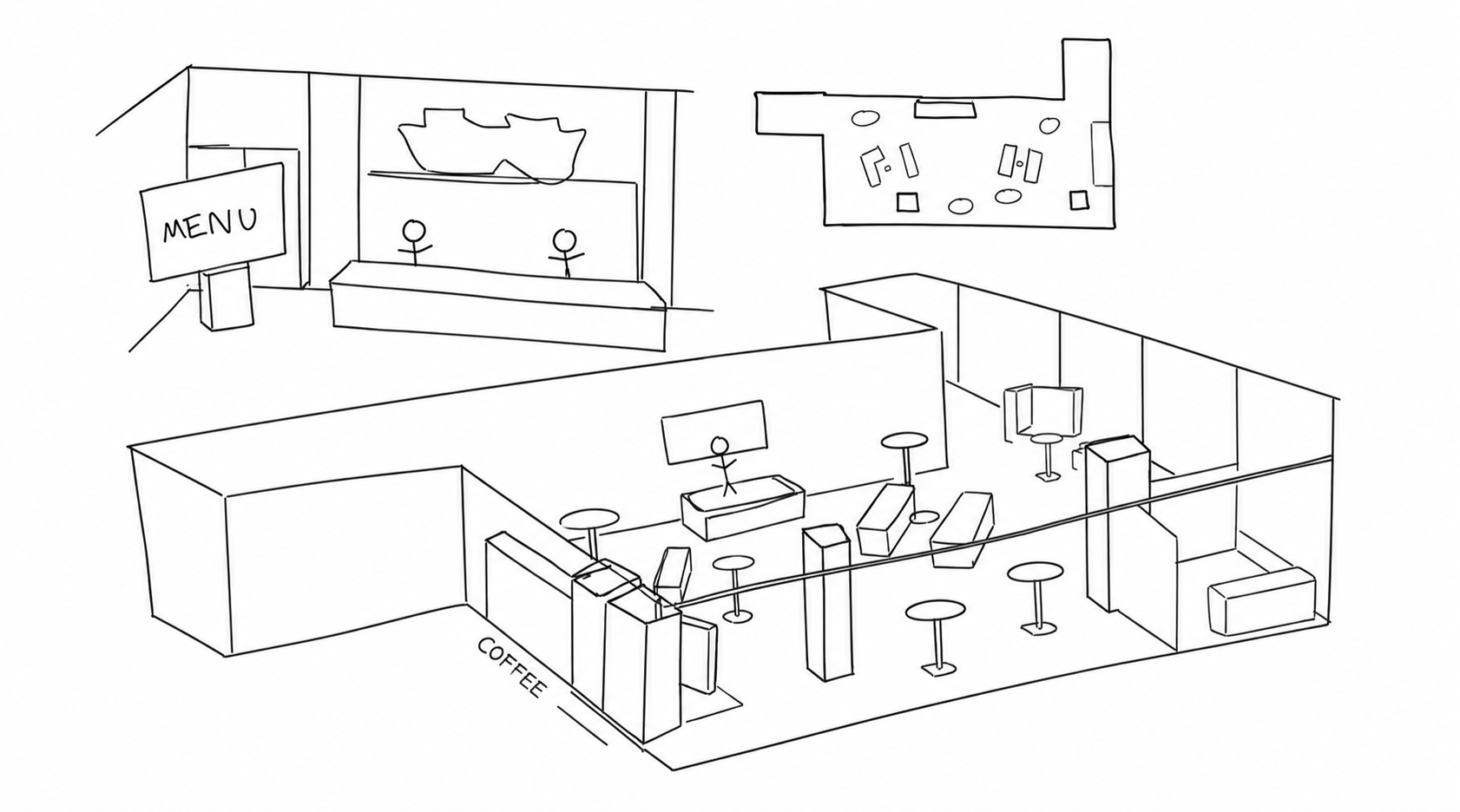
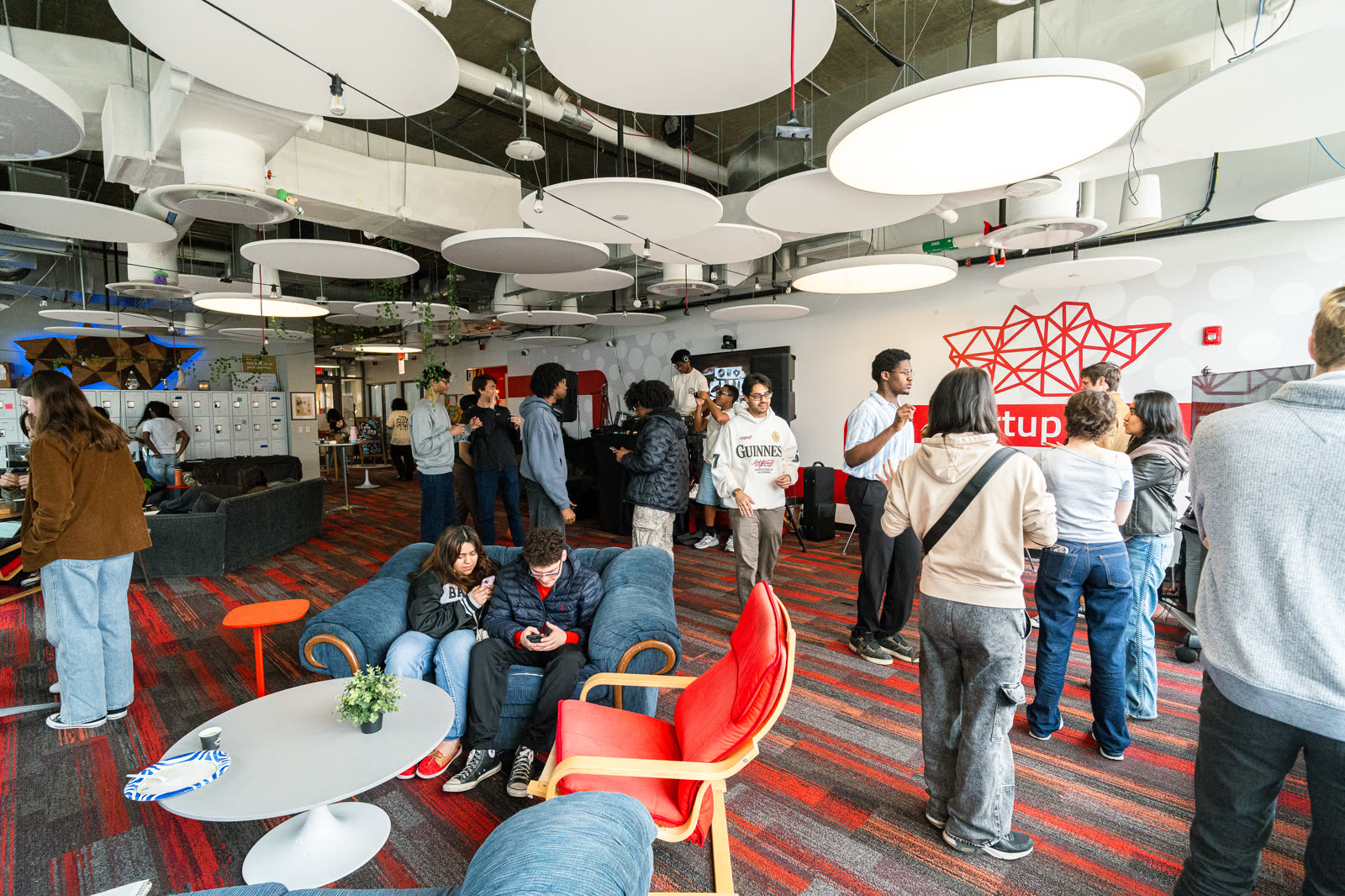
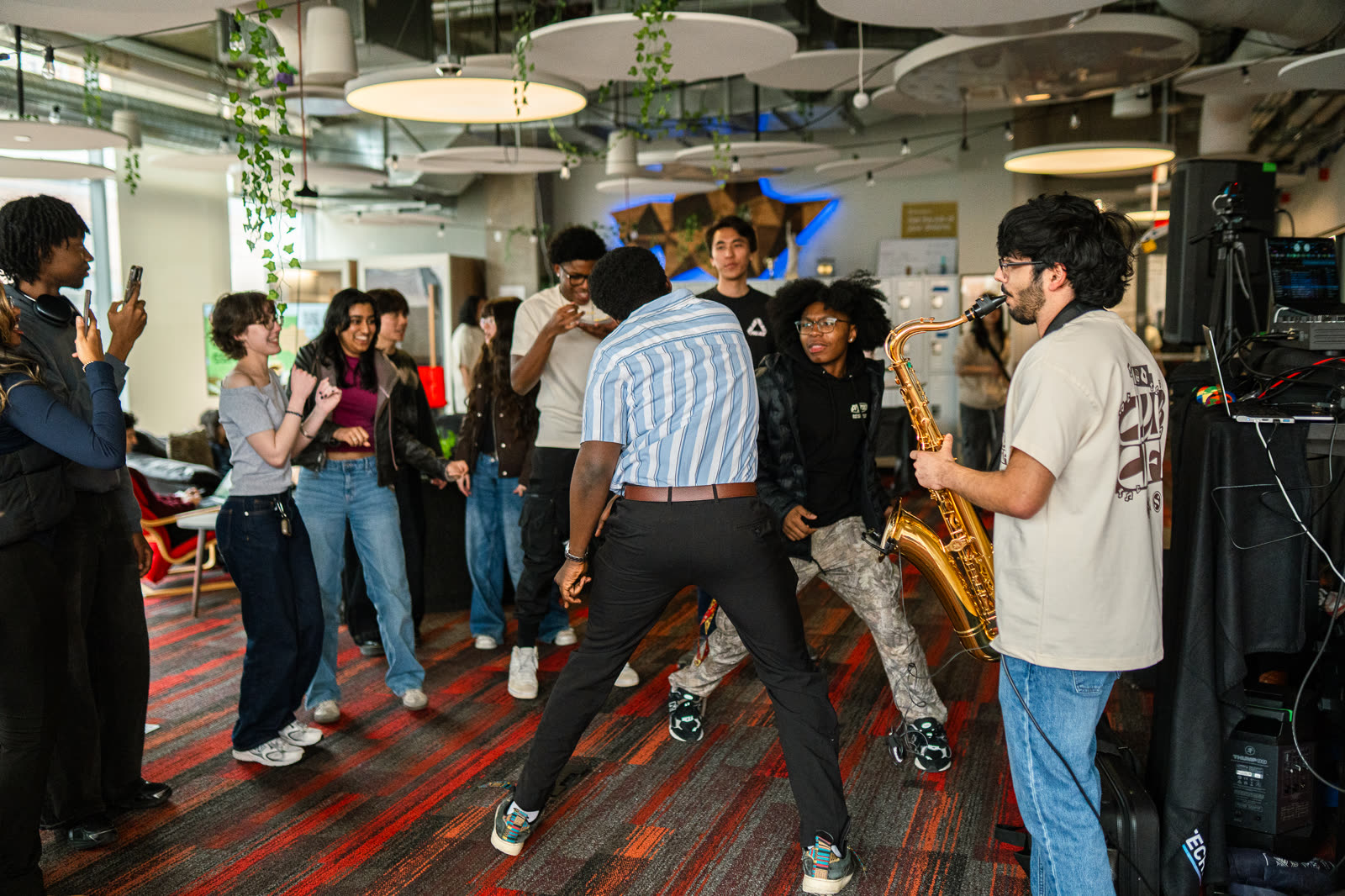
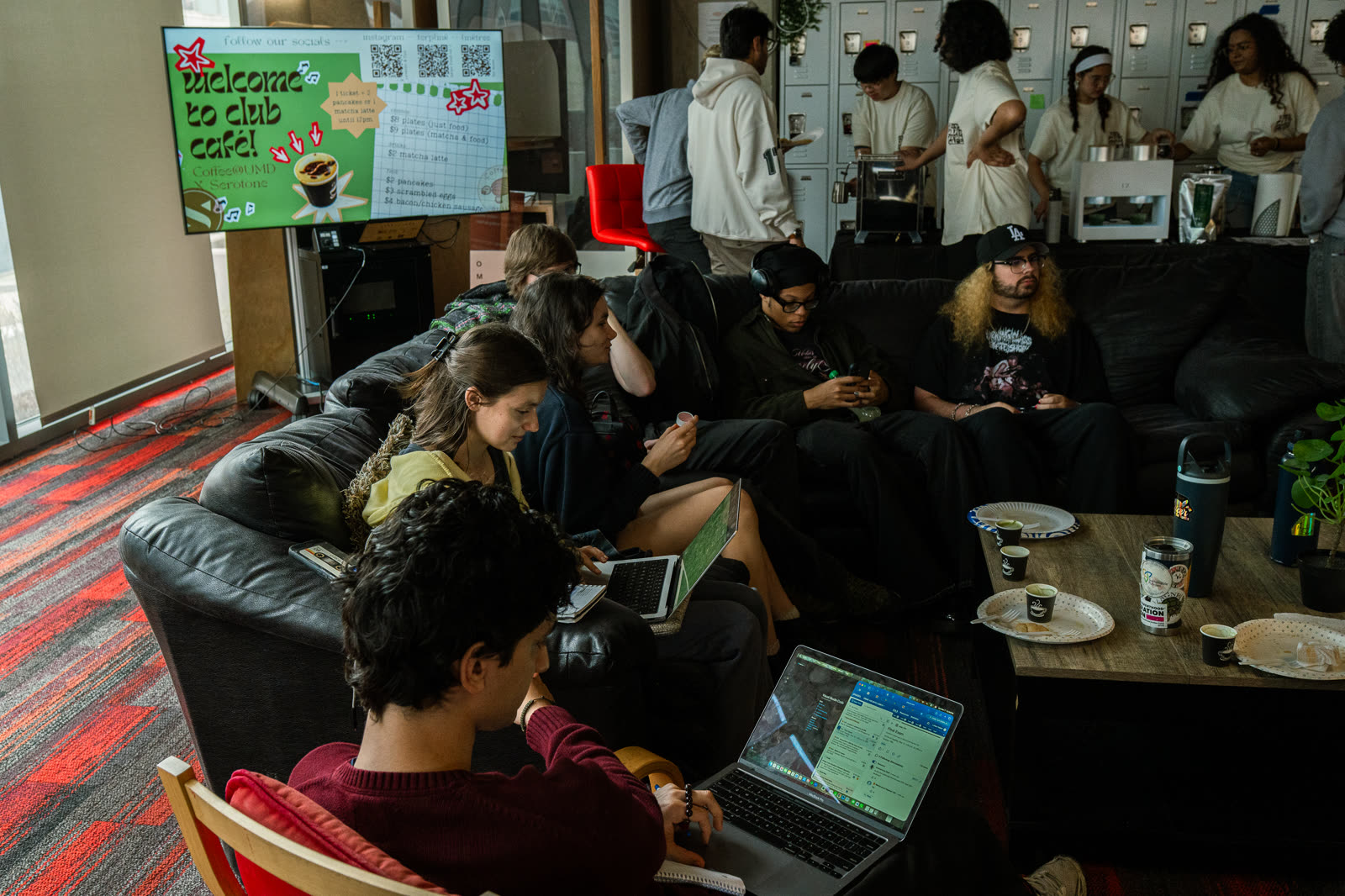
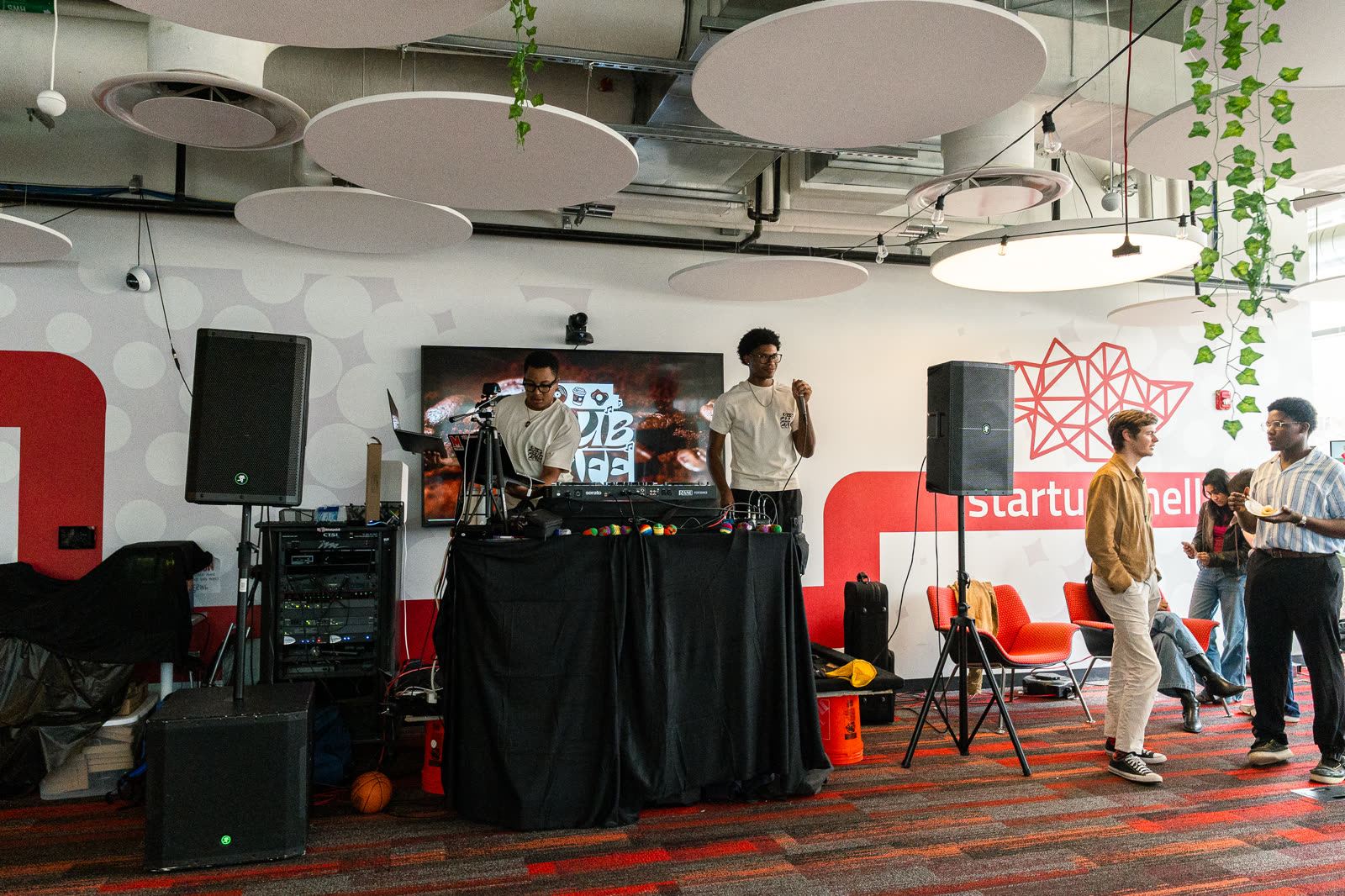
Club Café was Serotone's first event on campus, and the first time we stepped outside the traditional house party format. It was a collab with Coffee Club, held in Startup Shell: they served matcha lattes and breakfast off the griddle while Lawson and Haynes DJ'd to keep the room's energy moving. I planned the room from the ground up, designed the Instagram graphics and the shirts, and set up cameras around the space to capture the night for social.
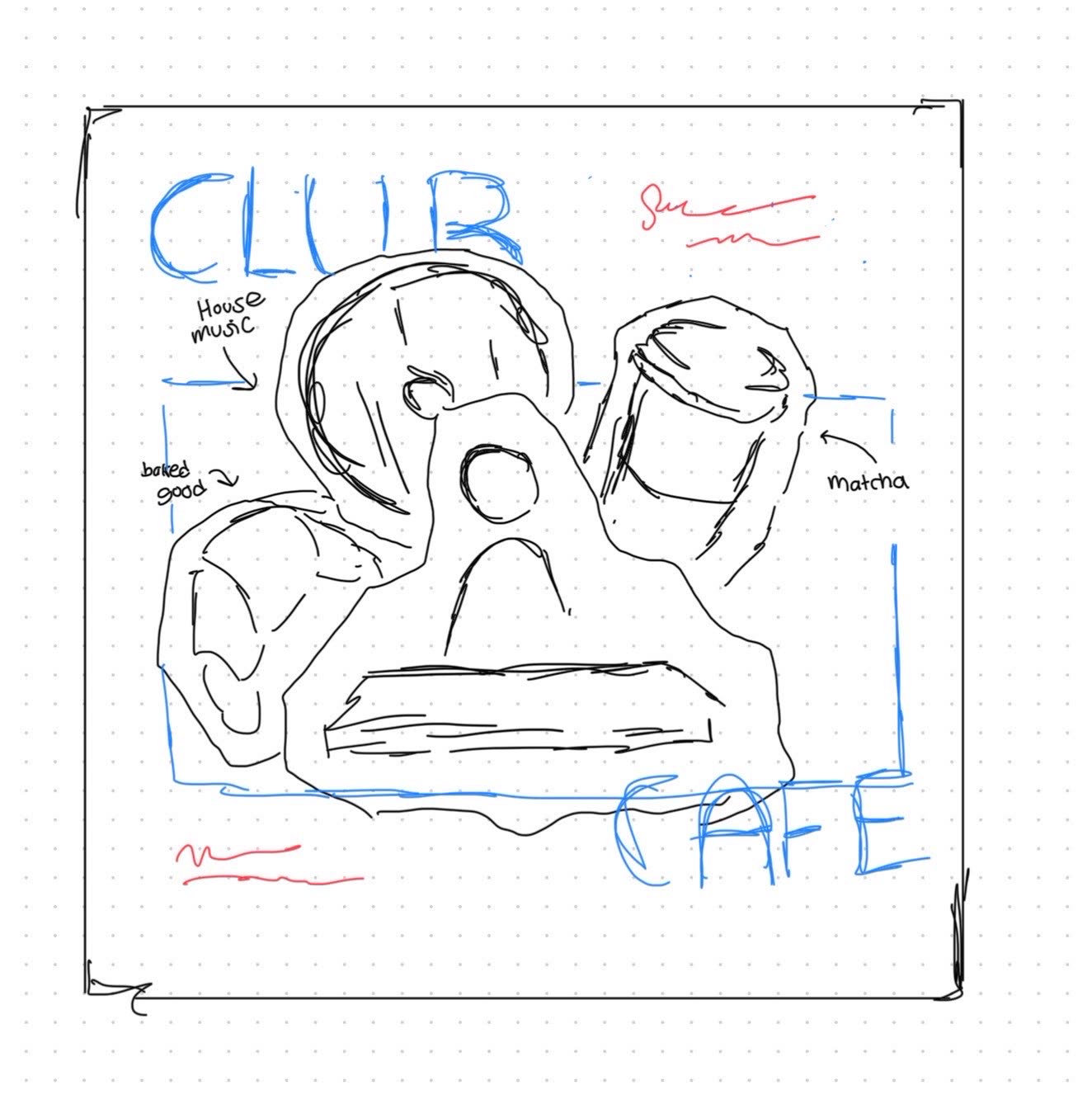
Beyond the room, I designed the Instagram graphics announcing the event and the shirts the team wore that day, so the whole thing carried one identity instead of feeling like a one-off. I also set up cameras around the space to capture it for social, since the point of Club Café wasn't just the night itself. It was proving Serotone could leave the house party format behind and still feel unmistakably like Serotone.
Every piece of content in this campaign, the recap videos, the collab graphics, the stories, was something I designed and shot myself as Serotone's design lead, but I didn't have an established audience to put it in front of: Serotone was still a new club on campus, Coffee Club wasn't. So the partnership didn't make the content better, it made the content findable, and that gap is the whole reason 86% of the room had never been to a Serotone event before.
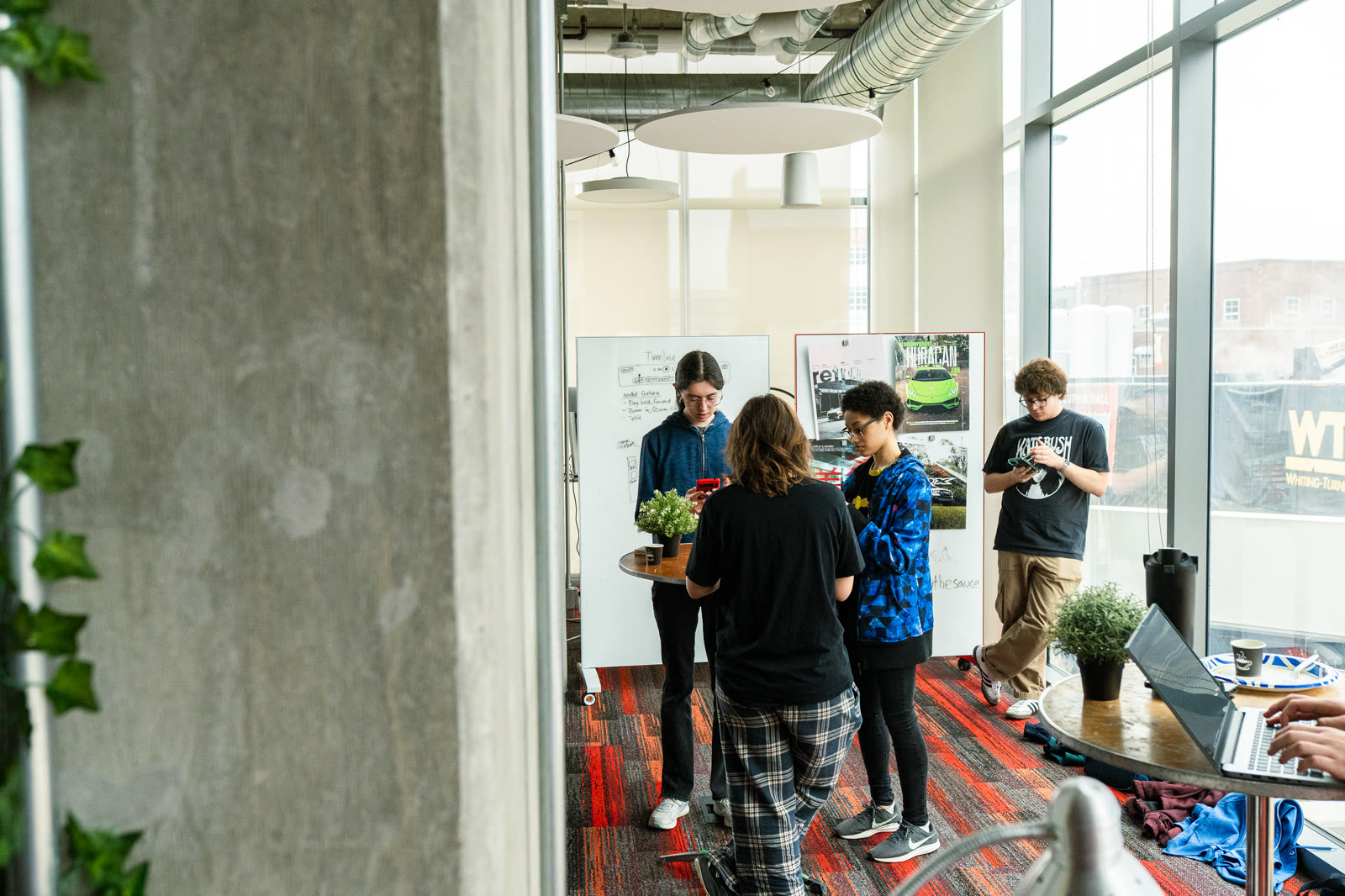
Club Café wasn't a normal Serotone night. It had to work as a café and a party at the same time, with a food line moving on one side and a DJ pulling people toward the other. I planned the full room layout so neither one crowded the other out: where the griddle and drinks lived, where the DJ setup sat, and where there was actually room to dance without someone holding a plate of pancakes in the way.
Ticket sales held up fine on their own: we sold out close to 90% of the room's capacity, and 74% of approved guests actually showed up, but the part I actually wanted to dig into afterward was the marketing data, not the tickets, so I pulled Meta analytics, Luma registrations, and cross-event guest history into a full report to see where our audience was coming from and what kind of content actually got them to act. That report shaped collab posts with Coffee Club, Serotone's own recap and DJ content, and direct channels like email, Discord, Luma, and Partiful, built around near-daily touchpoints with no gap longer than a day and an intentional call-to-action on every story.
| What we learned last time | How it shaped this campaign |
|---|---|
| Video recaps are our highest-performing content by a wide margin | Invested in two recap videos (hype + vibe) as hero assets, not an afterthought |
| Stories with a clear CTA are what actually drive ticket purchases | Every story this time was built around an intentional CTA, especially the day-before and event-day posts |
| Gaps in posting cause the audience to lose momentum | Scheduled near-daily touchpoints across the full window, no gap longer than one day |
| Direct channels convert better than Instagram | Ran two email blasts plus coordinated Discord, Luma, and Partiful pushes timed for the final stretch |
| Content reaches furthest when it gets reshared | Activated SEE, Shell, and personal accounts as amplification layers beyond our own audience |
| No way of tracking link shares | Tried a UTM tracking setup for the first time to attribute clicks to specific posts |
Across ten Instagram stories, only two had a link, and both used direct scarcity framing: "just dropped 20 more early bird tickets," "last batch just dropped." Those two drove every meaningful click in the entire campaign. Other stories with comparable or higher view counts, but no urgency in the copy, drove close to zero clicks. The takeaway wasn't to post more. It was that the framing, not the frequency, is what actually moves people from watching to buying.