Experiential Design · Systems Design · Community Building
Engineering 12 Recurring Game Nights Over 2.5 Years to Grow a Dorm Hangout to a 50-Person Event
Role
Solo — Concept & Systems
Logistics & Hosting
Timeline
12 installments
2.5 years
Tools
Forms, Sheets, Slides
Canva, Illustrator
How do you keep people showing up to an event when busy schedules and unfamiliar faces affect the momentum?
Overview
Challenge
Build a recurring event framework that sustains attendance through busy schedules and unpredictable turnouts, and create consistent attendee engagement without burning out the host (me!).
Strategy
Replaced unstructured hangouts with an algorithmic event system; I architected custom mechanics, structured team onboarding, thematic planning, and physical logic to cultivate sociability between strangers.
Solution
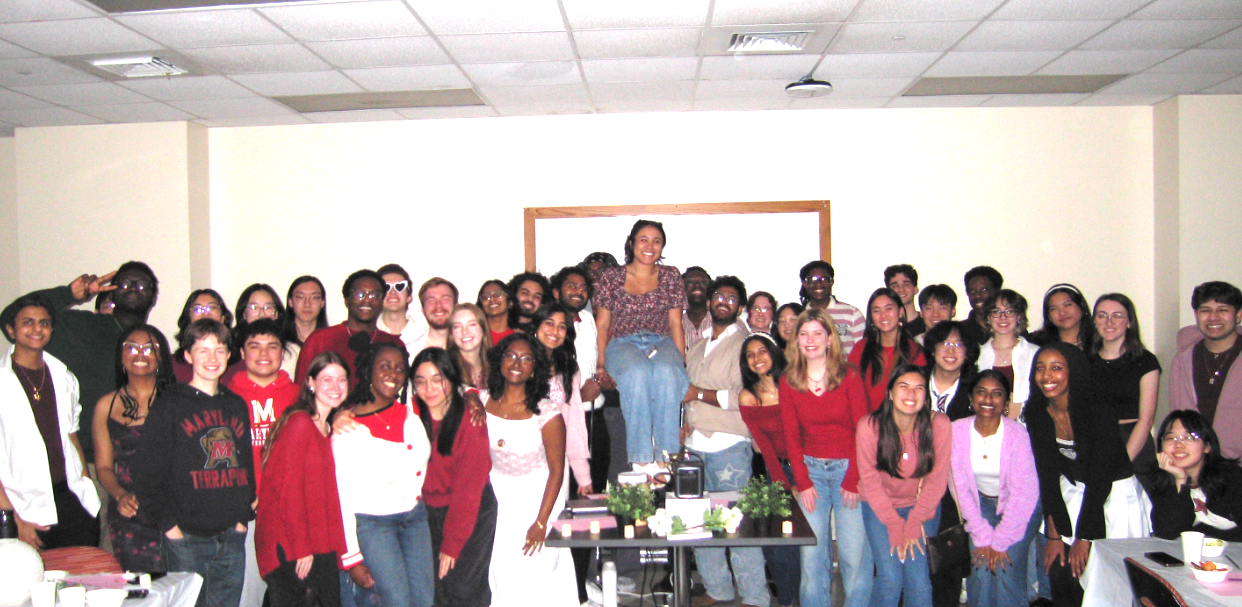
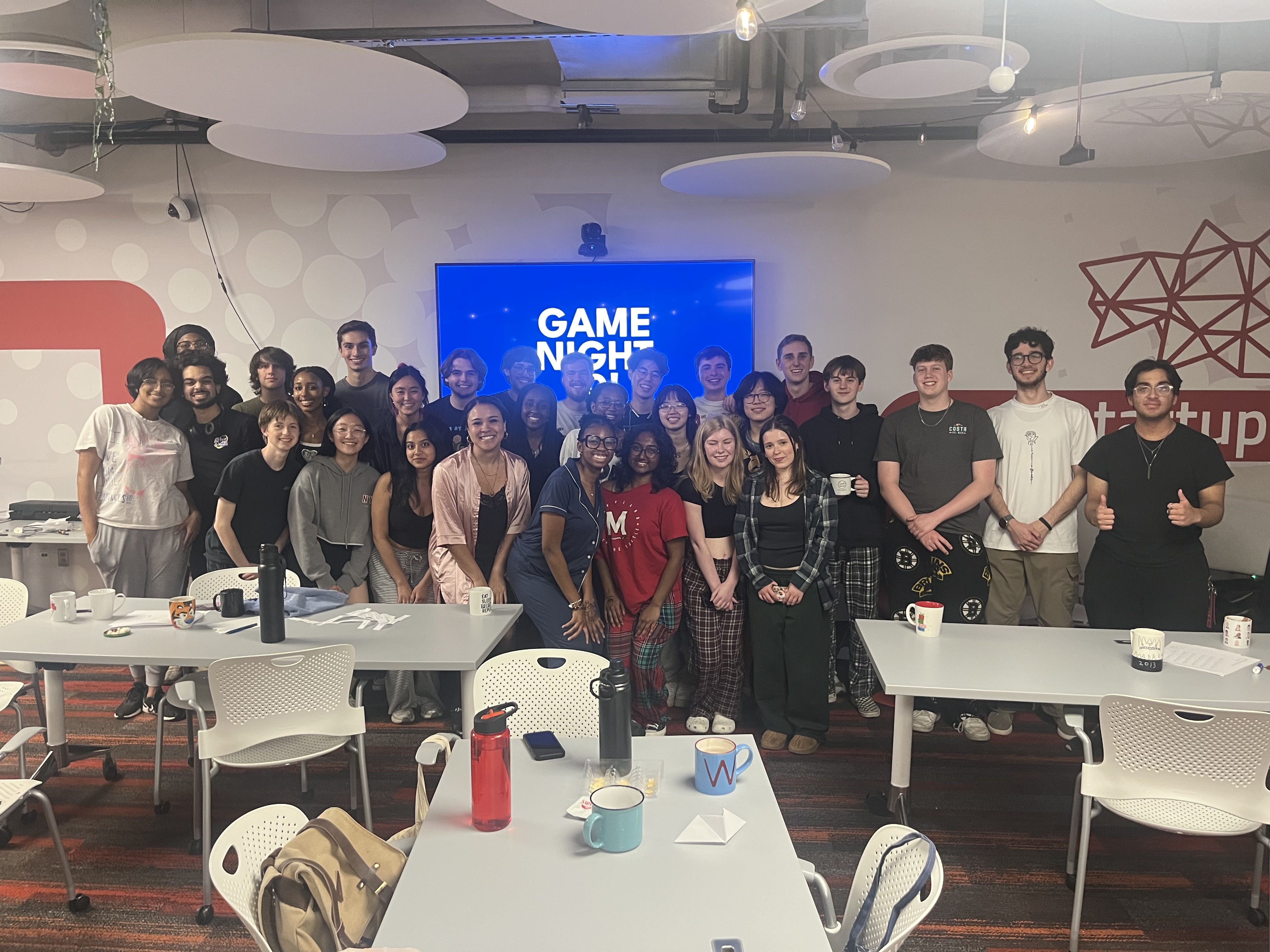
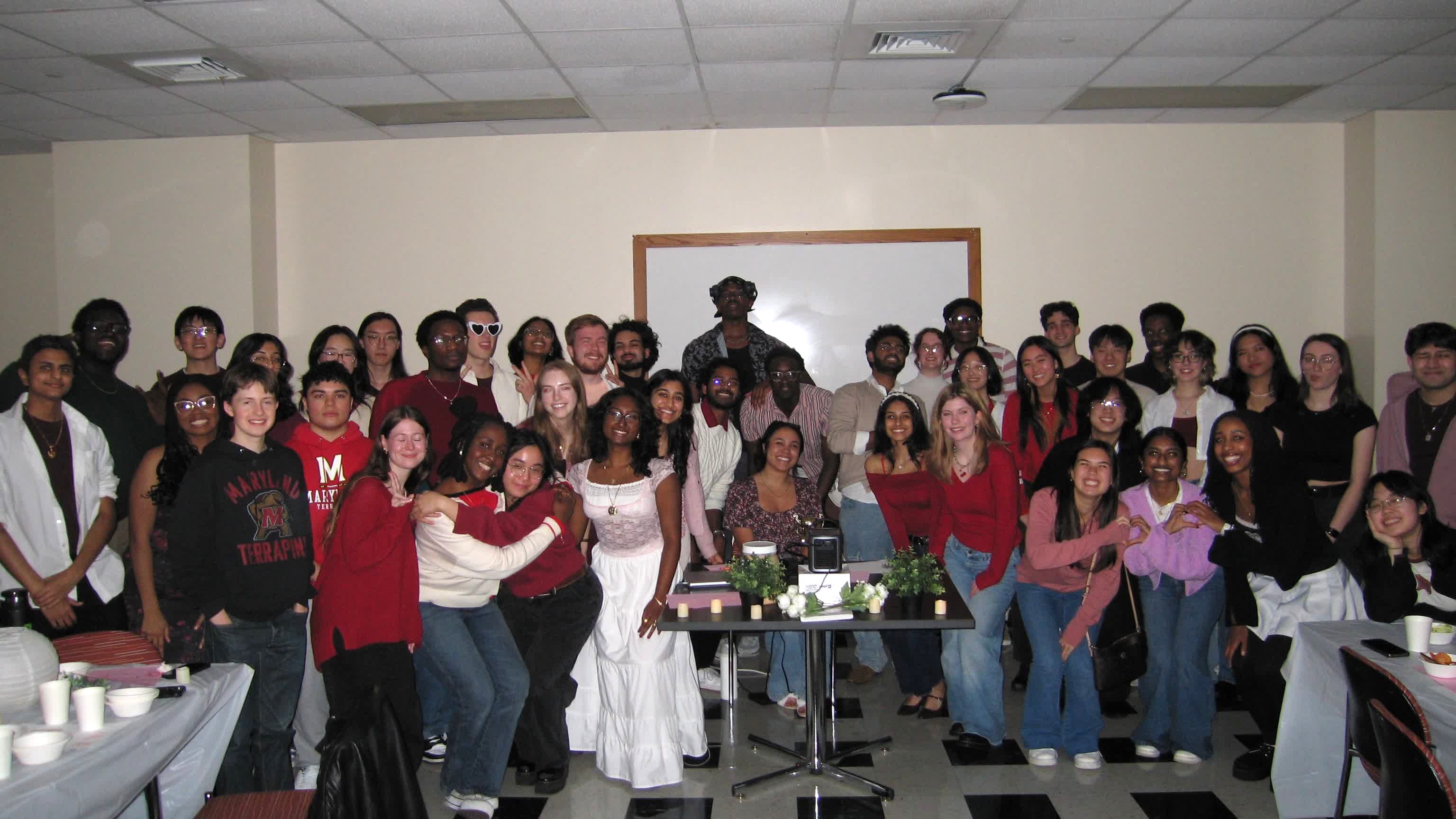
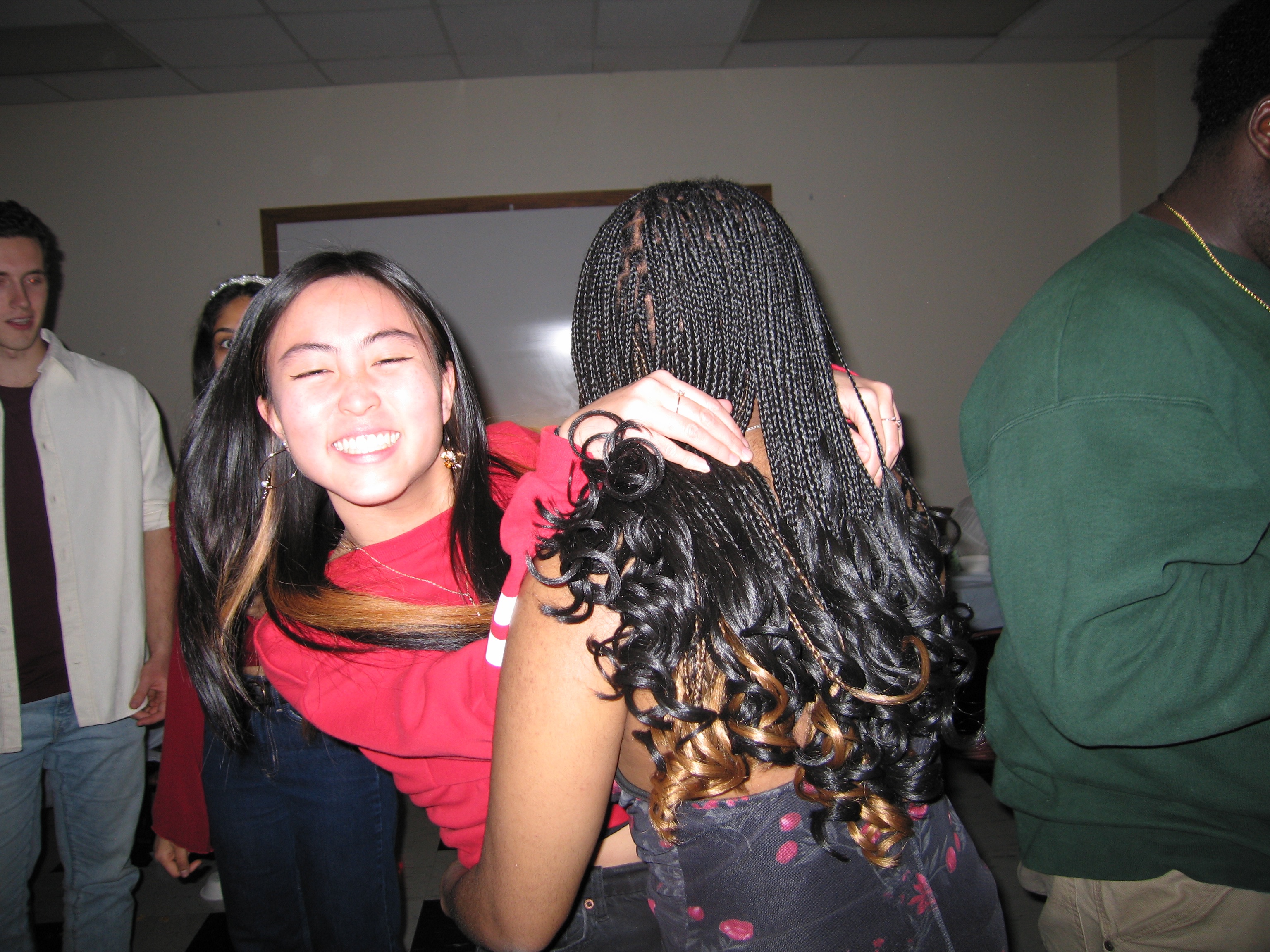
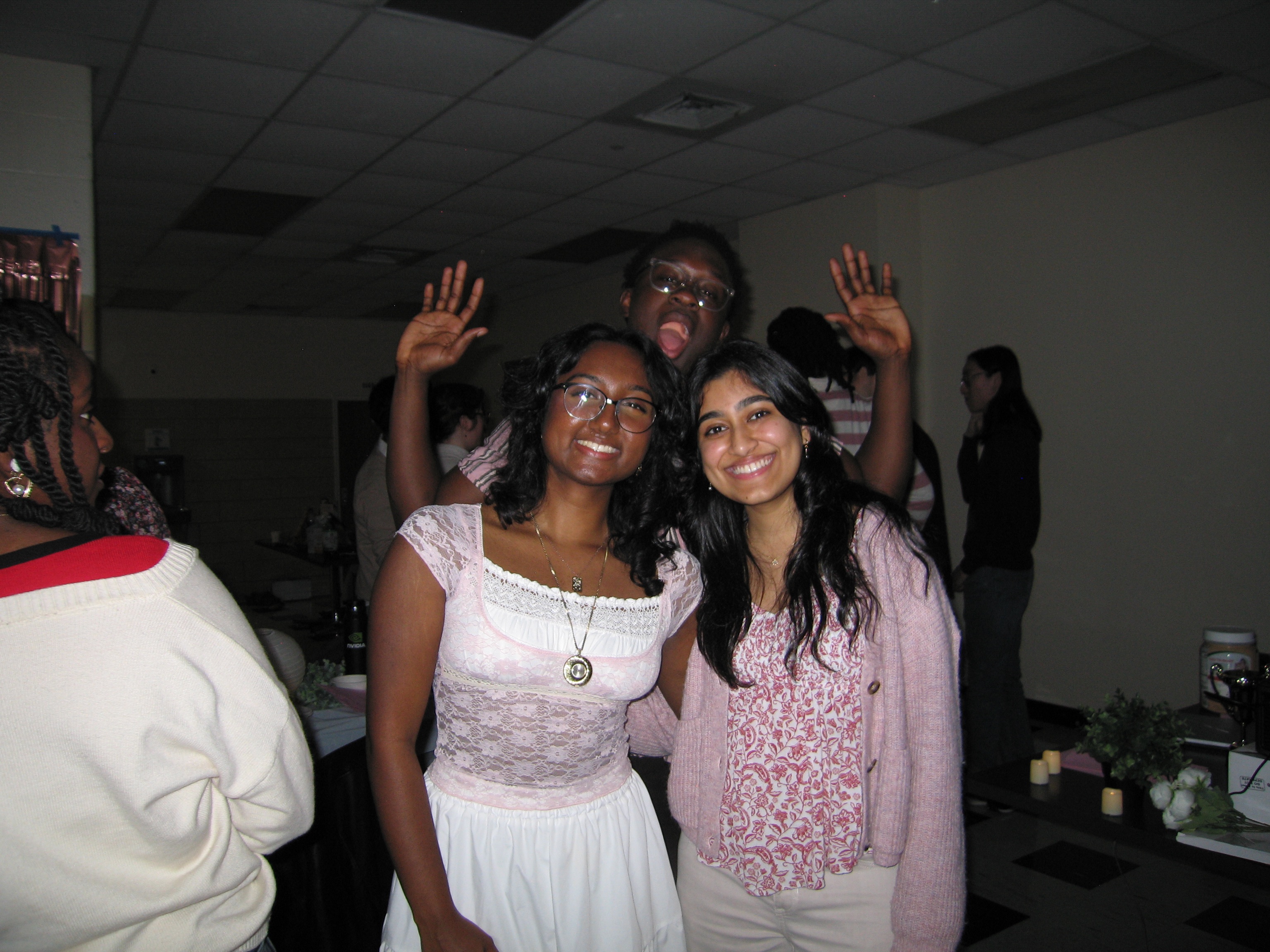
Executed 12 events and grew attendance by 500% completely through word-of-mouth, establishing a long-standing tradition!
12
Game nights over 2.5 years
500%
Increase, smallest to largest night
Solo
Concept, systems, and execution
Attendance figures from event headcounts and RSVP records.
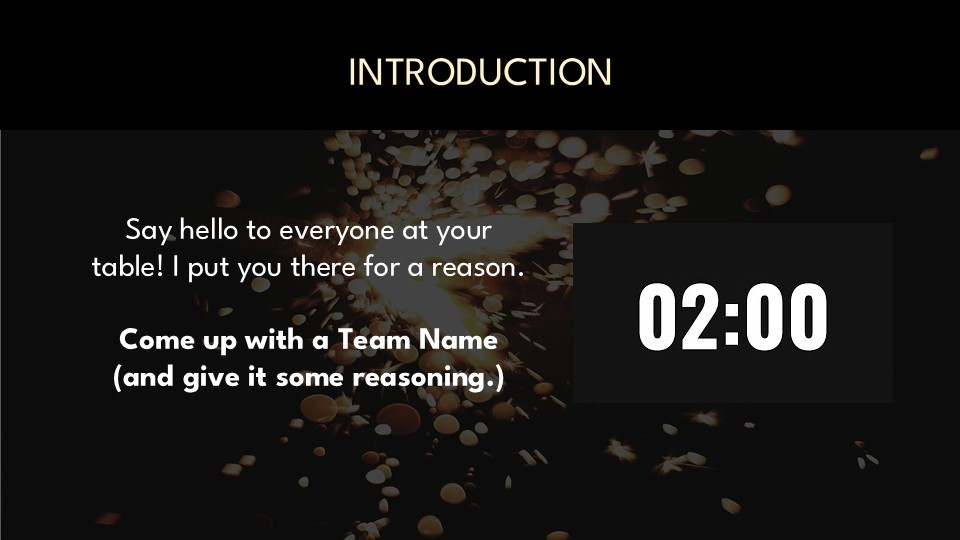
To keep a friend's white lie from becoming a real one, I made a game night exist by the time her date happened.
Context
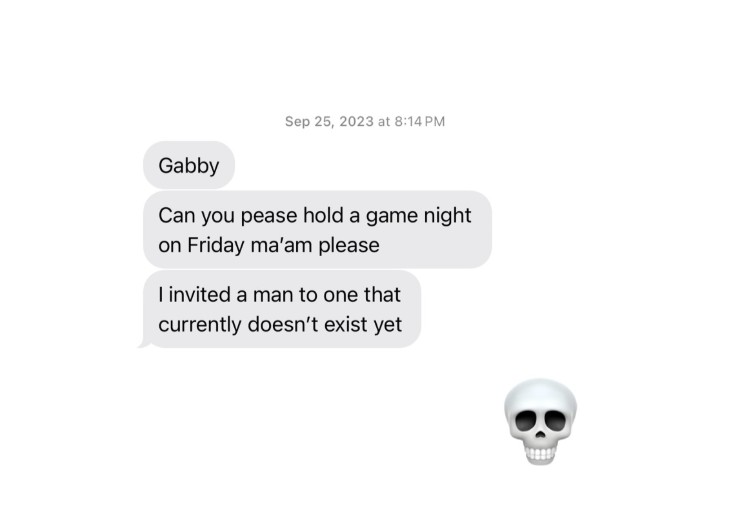
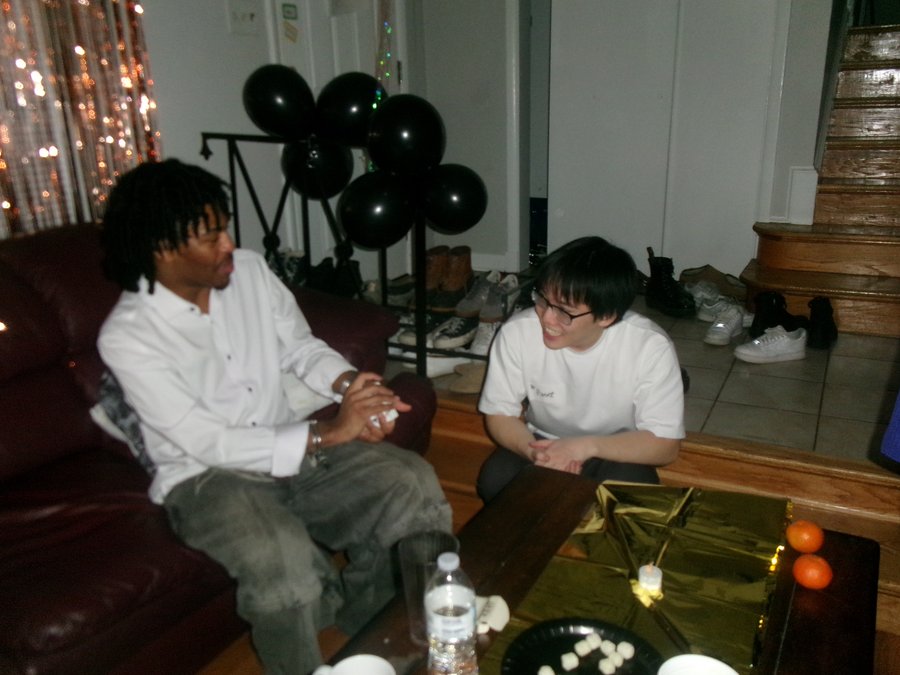
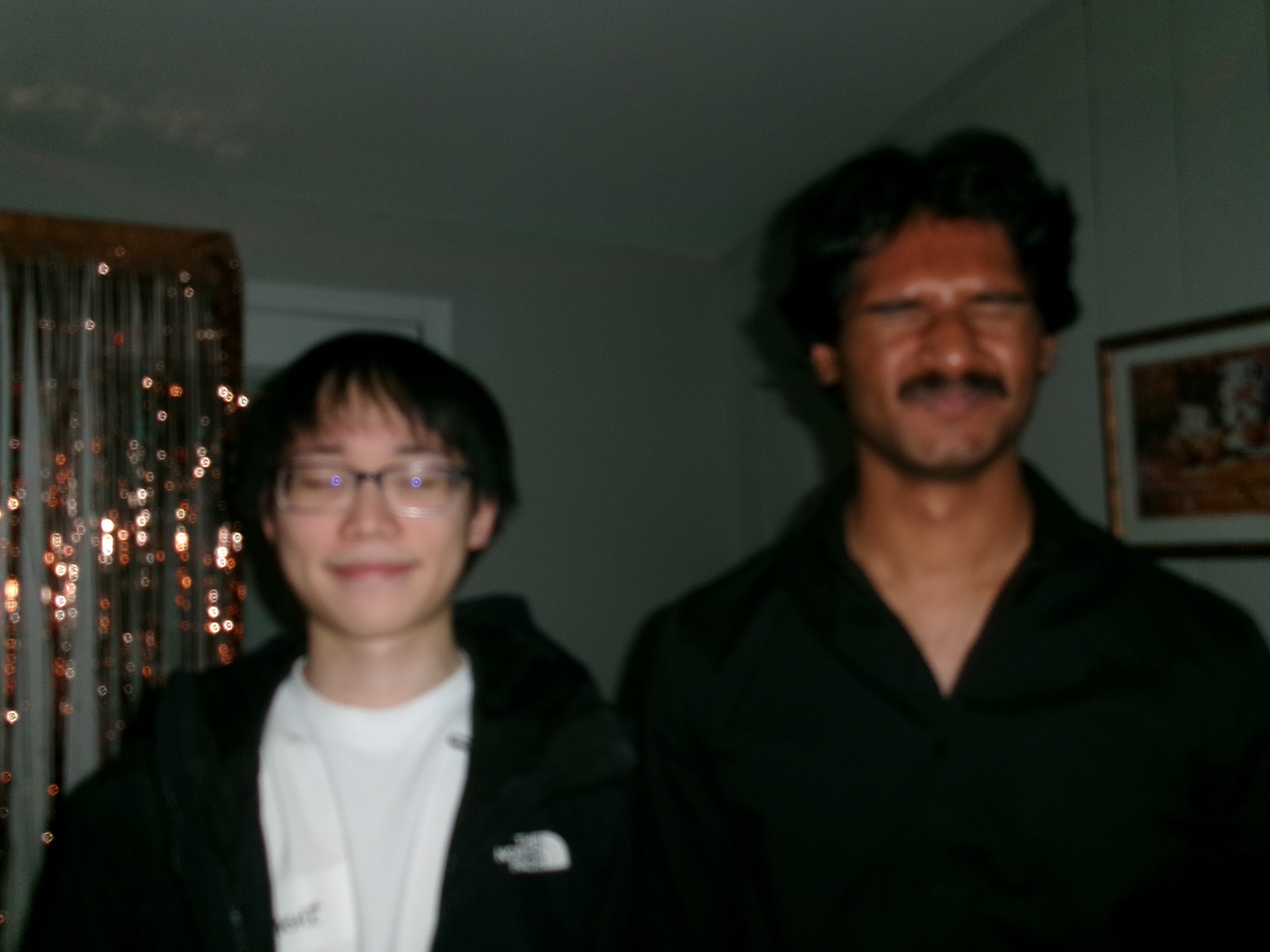
A friend of mine had invited a guy she was talking to a game night that didn't exist. So I made it exist for her, with about ten people from my dorm and a few card games.
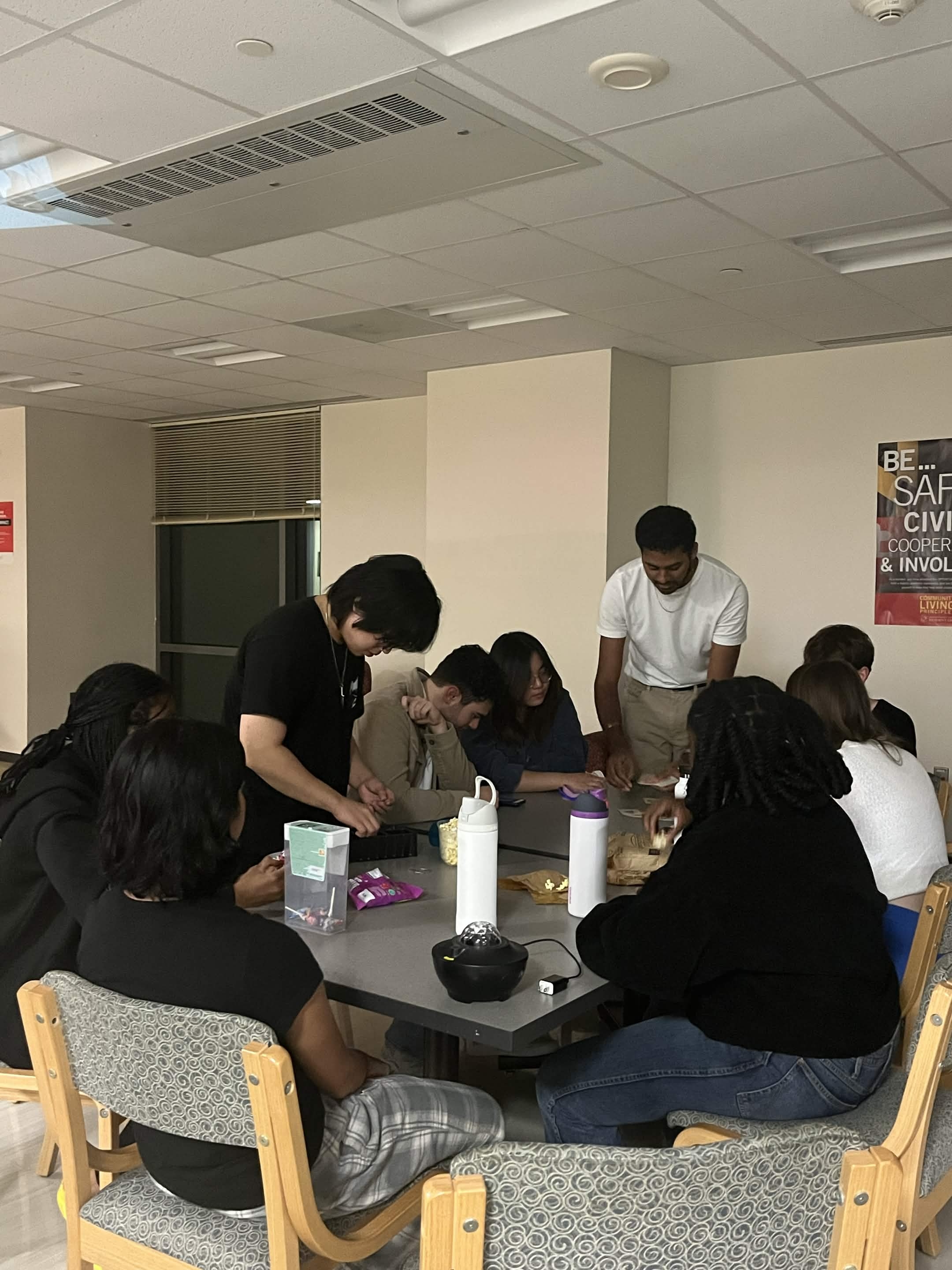
The very first game night.
Everything that came after grew out of one night that was never supposed to need a sequel.
Once I noticed people getting bored with no flow to the night, I wrote a real schedule and formal rules.
The Problem
I ran the first few with just games set out on a table, and it worked for a while, until people started getting bored or didn't know what to play.
Without a schedule, nobody had a reason to talk to anyone they didn't already know, and a table of games with no clear starting point wasn't enough to change that. The format needed a real schedule, not just a room full of options.
This turned into a designed system: a mechanic built for selected themes, real rules, a paced arc, and teams built to let a room too big to play as one group still play together.
Every fix I landed on came back to the needs of my guests.
Designing the mechanics
Everyone who came to game night was looking for a sense of joy derived from playing with other people, both familiar and unfamiliar, but no single mechanic could achieve that goal for all of them.
The Newcomer
Designing around
Didn't want a spotlight moment straight out of the gate
Needed a role in the room before they'd said a word
The Plus-One
Designing around
Easy to default into just trailing their partner around all night
Needed a reason of their own to be there, not just a +1
The Returner
Designing around
Didn't want to be randomized in with total strangers every time
Needed an easy opt-out of "meet someone new" mechanics without feeling antisocial
The Connector
Designing around
Asked me directly to be placed with new people
Needed that pairing to be intentional, not just left to random
Why teams
All needs pointed at the same fix: put people into teams. A team gave a first-timer a role, a plus-one a reason to be there beyond their date, let a returner opt out of forced mingling, and gave a connector a structured way to meet people.
Beyond that, a team gave people something to root for: a sense of competition and ownership over the night that a room of strangers just standing around never would have.
Getting people in the room meant building a funnel that supported both myself and my guests.
Getting people there
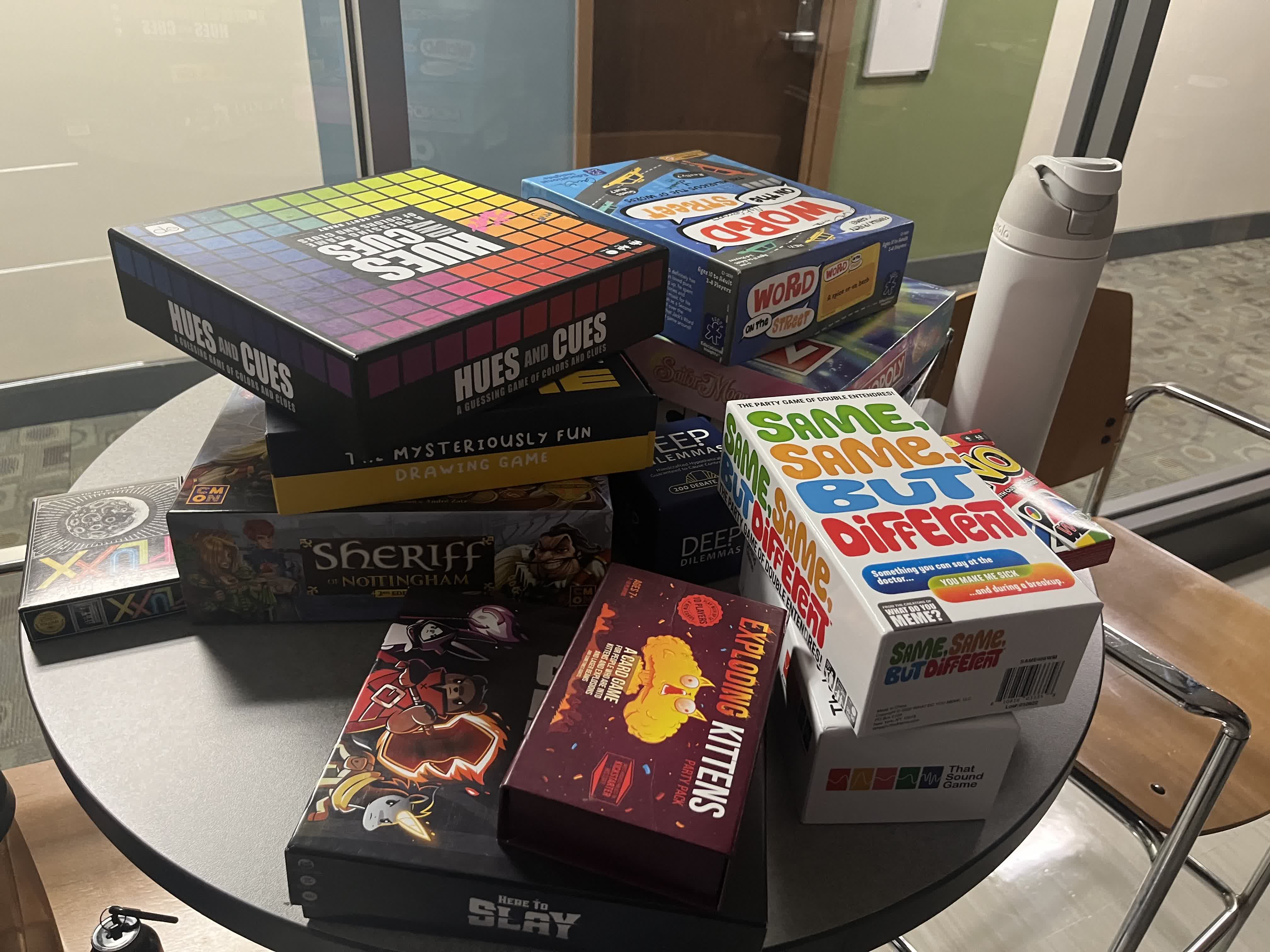
Nights started with a theme (set to guide the phases and overall feel of the night) and a rough set of games about 3 weeks out. About a week out, once RSVPs locked in, I'd go back and cater the game selection to that specific group.
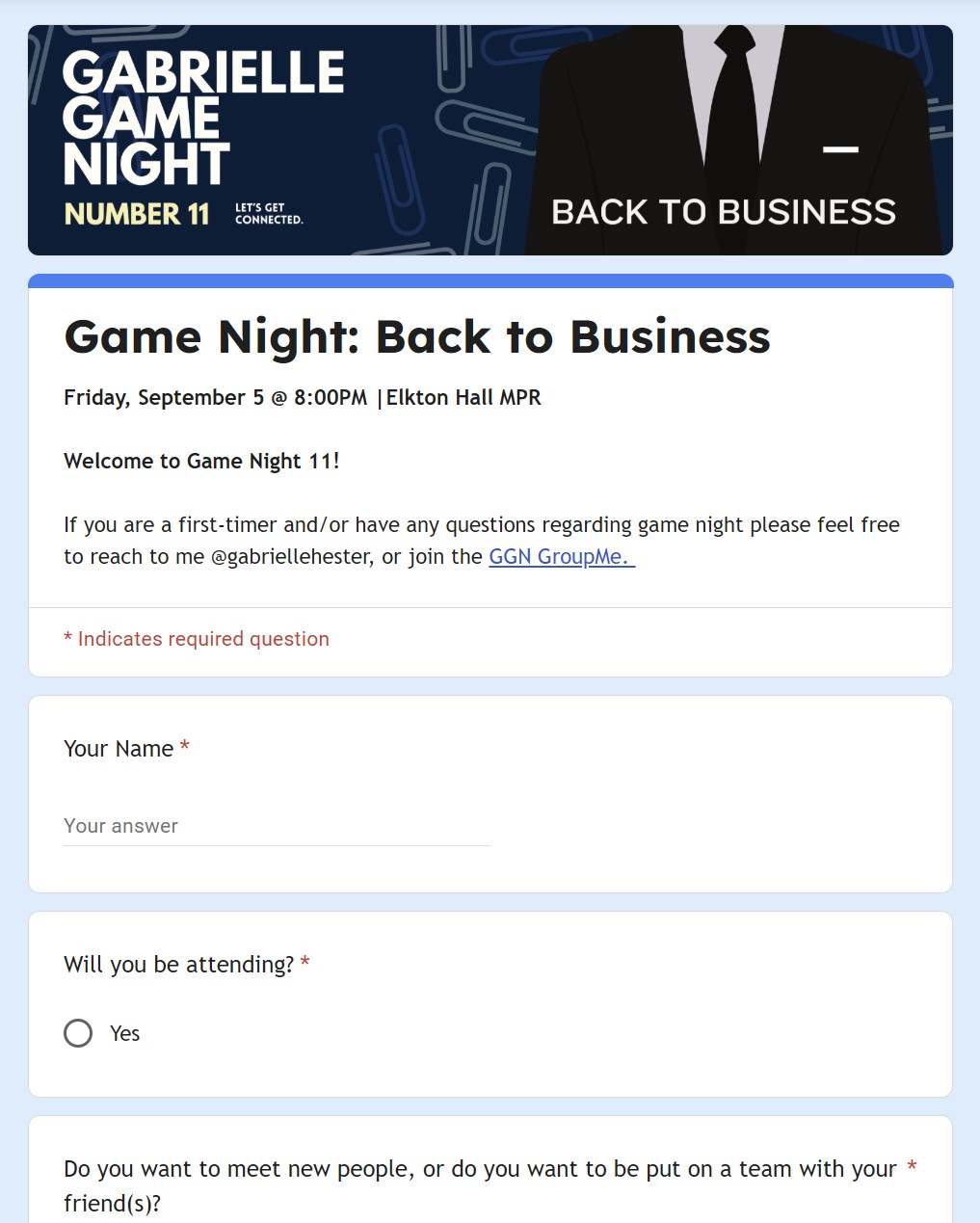
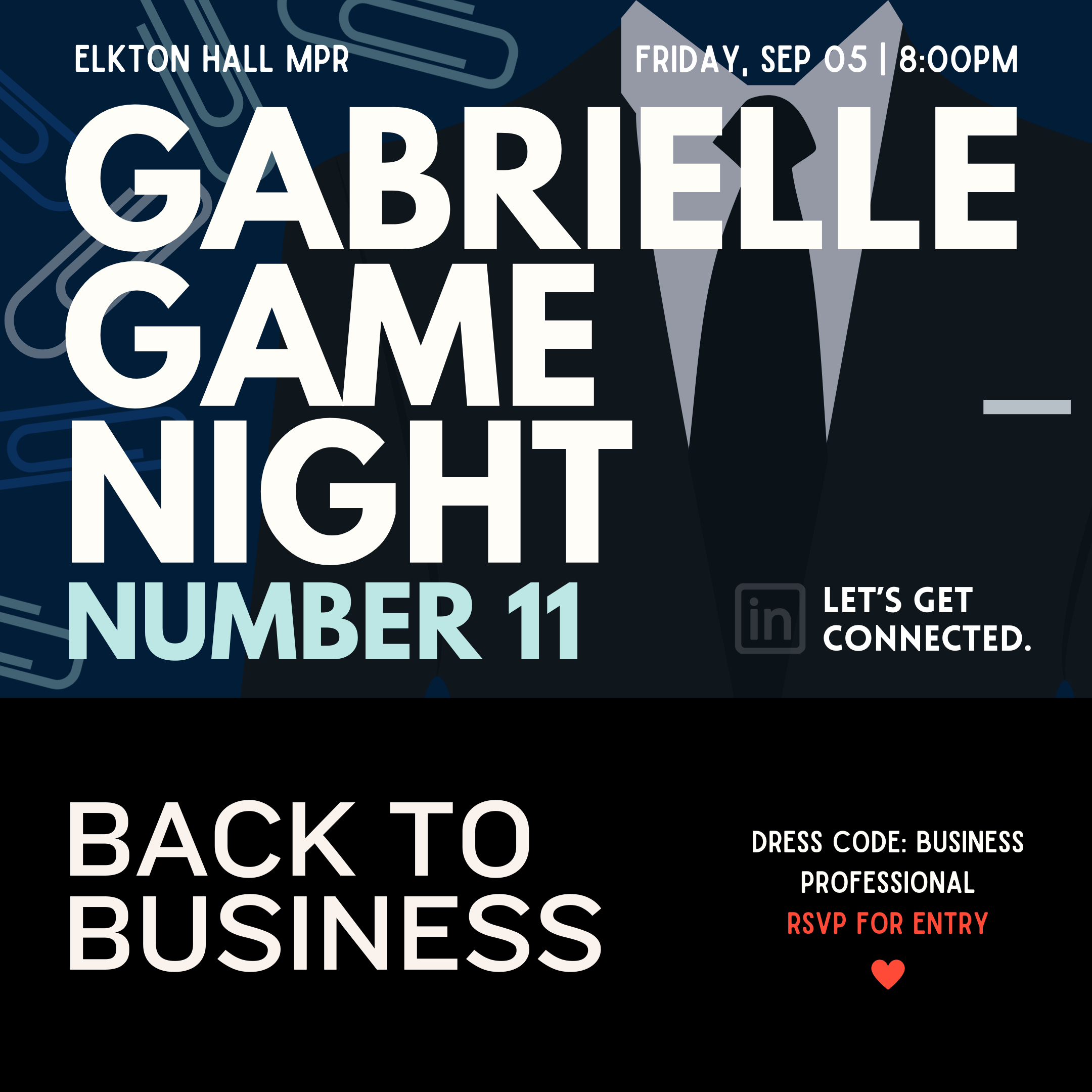
For every night I built the same funnel: a group chat, a flyer, and a Google Form collecting RSVPs, dietary notes, and plus-one info.
Setting the dress code
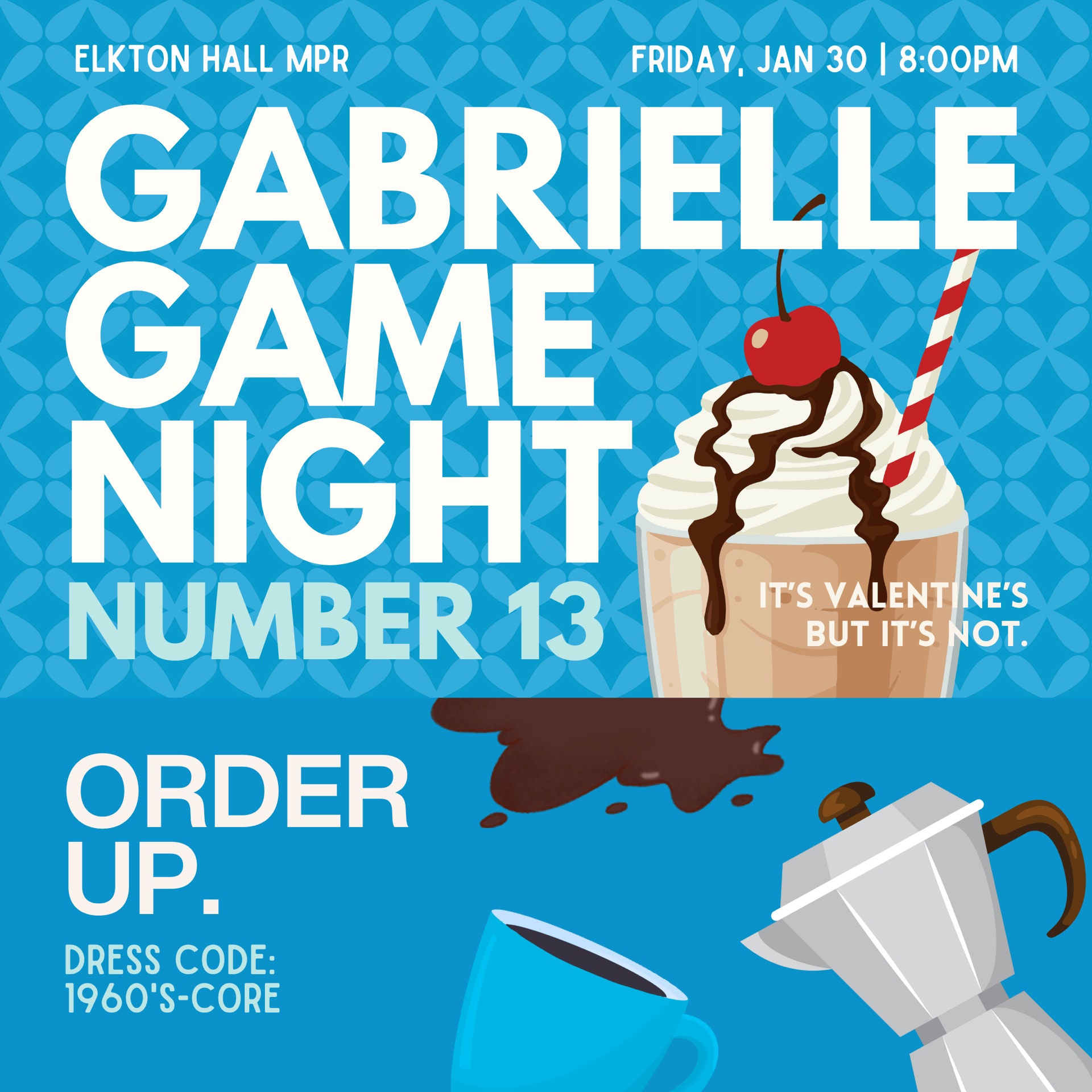
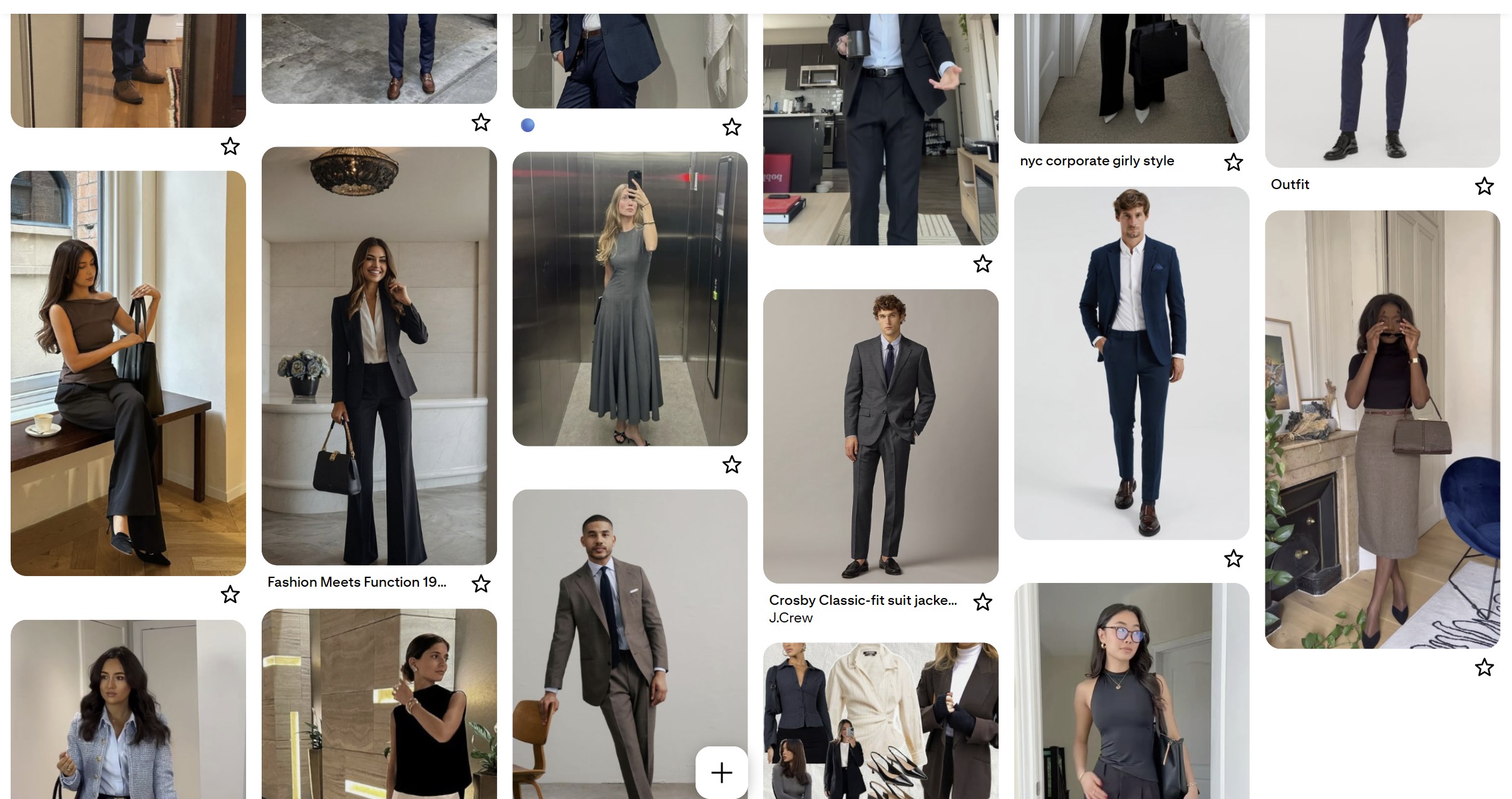
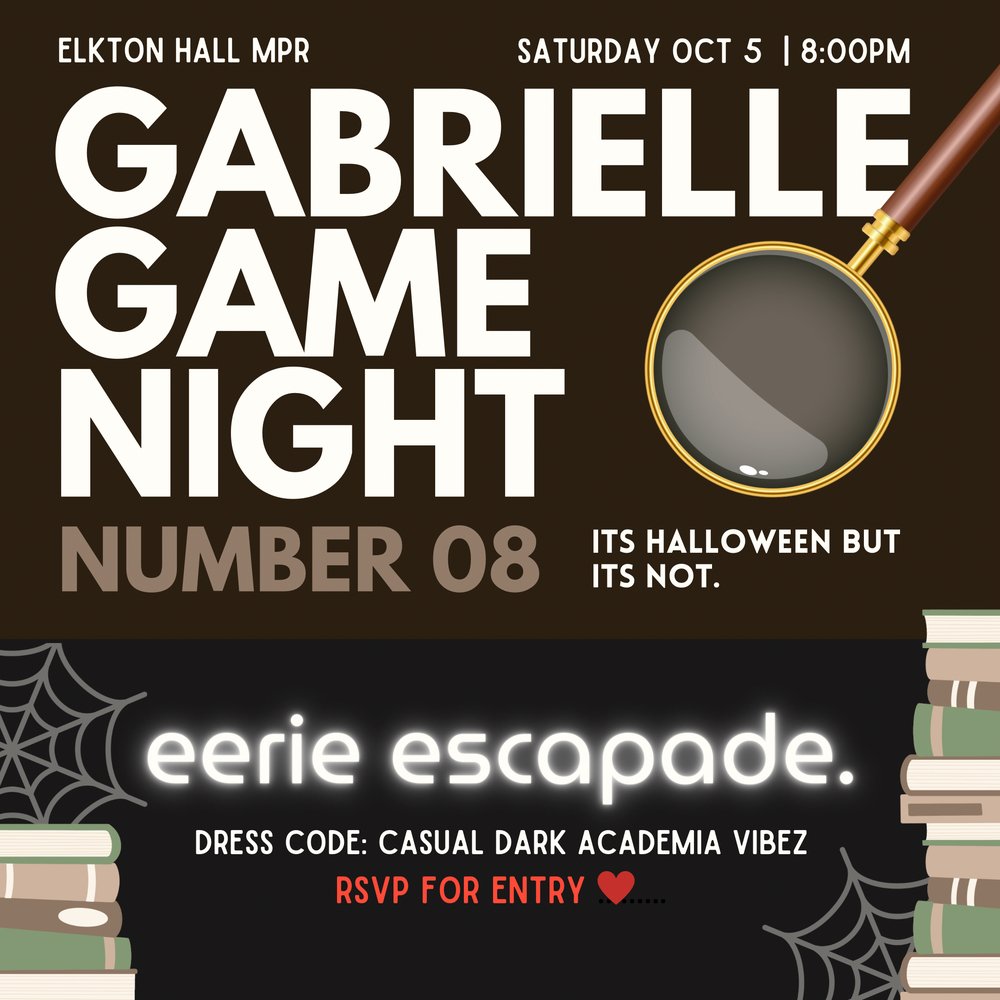
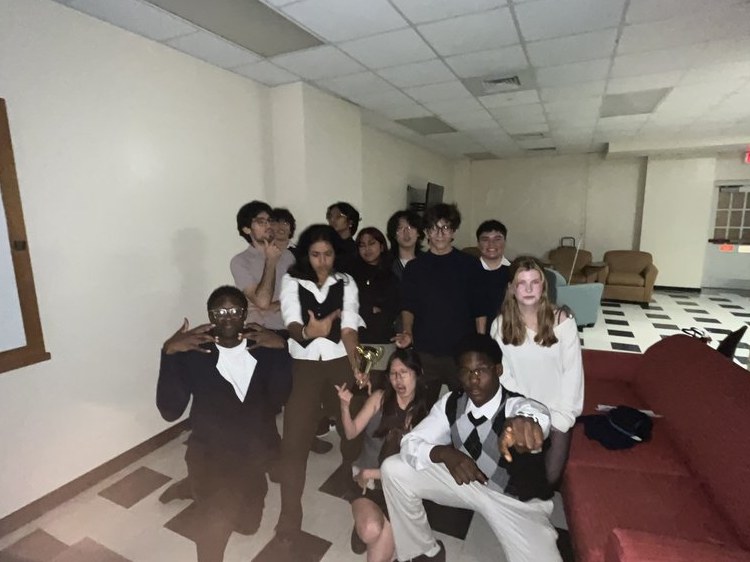
Every theme also came with a dress code, I attached a Pinterest board to the invite so nobody had to guess what a theme meant to me specifically.
People showed up dressed for the world of the night, making people feel fully immersed the second they walked in.
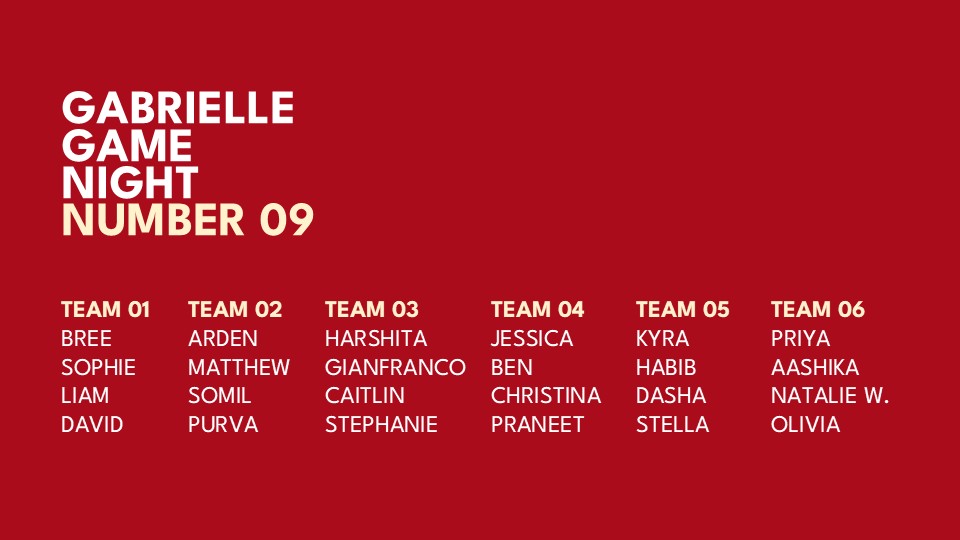
Building the teams
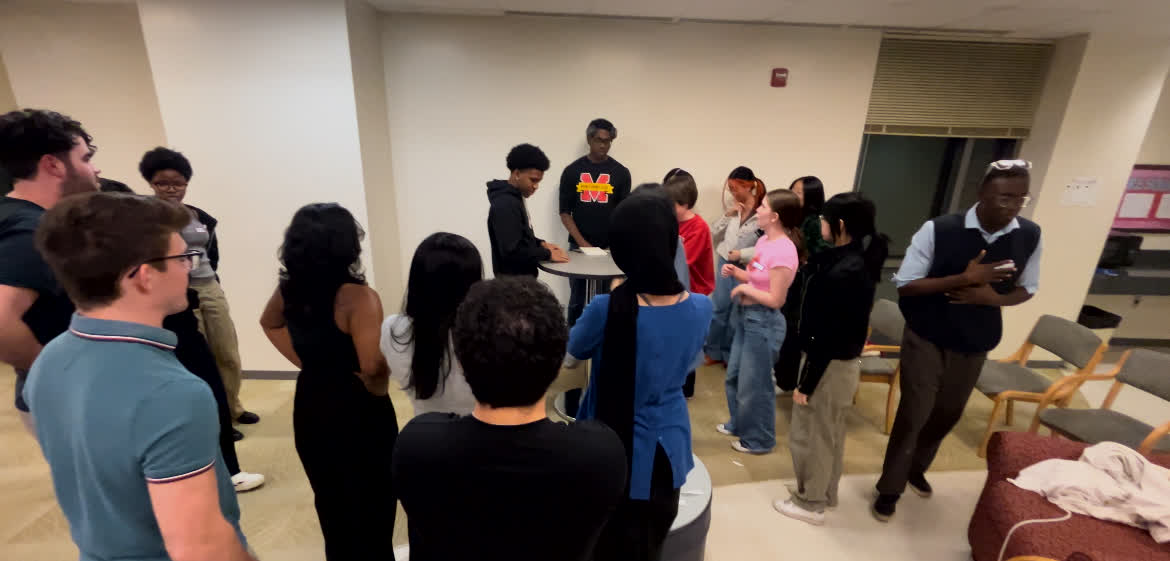
The Google Form did more than collect RSVPs; I'd also ask people whether they'd rather stay with people they already knew or get placed with people they hadn't met, since forcing everyone into stranger-teams would've kept some people from coming at all.
Stay with friends
RSVP form option
Some people just wanted an easy night with friends. This option also let people request being placed with a specific person.
Meet someone new
RSVP form option
Some came specifically to meet new faces, so I'd try to pair them with people I thought they'd get along with instead of leaving it to chance.
No preference
RSVP form option
Some people didn't care either way, so I could place them wherever needed.
From there it became a personality balance problem. Stacking all my loudest friends onto one team crowded out quieter players, so I split strong personalities across teams on purpose, then filled the rest with people I thought would actually get along.
RSVP pool
→
Team A
Team B
Team C
Strong personalities (◆) split one per team on purpose, instead of landing on whichever team their friends signed up for
One of the closest friendships in my friend group now started because I put two strangers on the same team, on purpose.
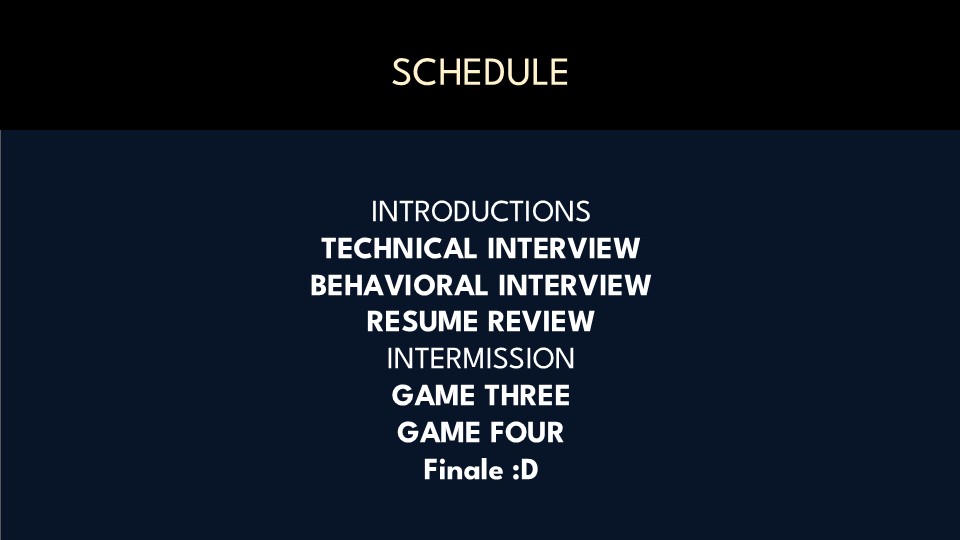
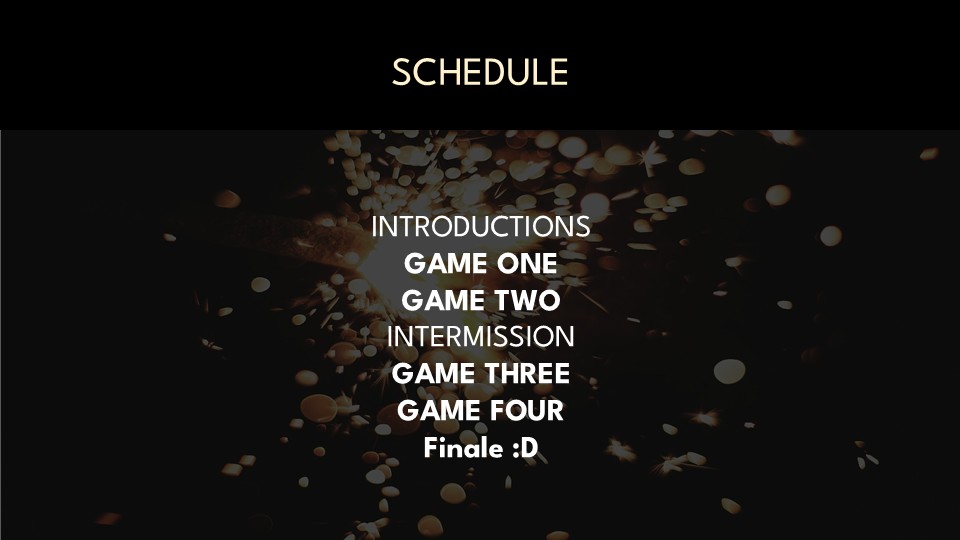
Every themed sequence followed an arc with different games so nobody sat through an entire night of one they didn't care for.
Building a Mechanic per Theme
Act A
Phase 00
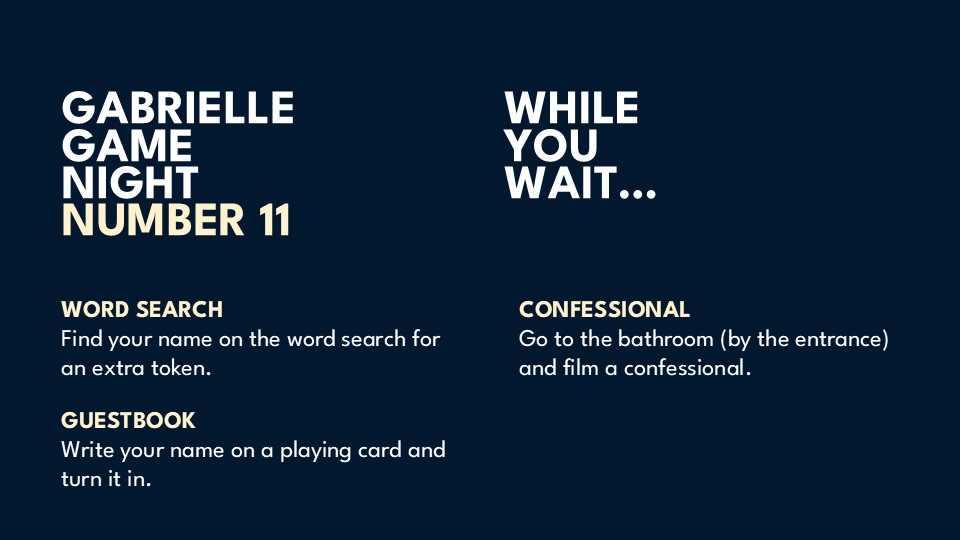
Waiting game
Something to do the moment you walked in, before the night officially started and while people were still trickling in late.
Phase 01
Short adrenaline / meeting team
A quick, low-stakes round meant to introduce a team to itself.
Phase 02
Learning collaboration styles
A round built to assess how a team actually works together, before that mattered for anything with real stakes.
Phase 03
Big competitive game
The first real stakes of the night, built specifically to raise morale rather than just rack up points.
Intermission
Act B
Phase 04
Short game to reintroduce energy
A reset round that pulled the room's energy back up right after the break.
Phase 05
Creative / performance game
The night's build toward its peak, asking people to actually perform in front of the room.
Phase 06
Finale game
Everything before it existed to warm the room up for this.
Phase 07
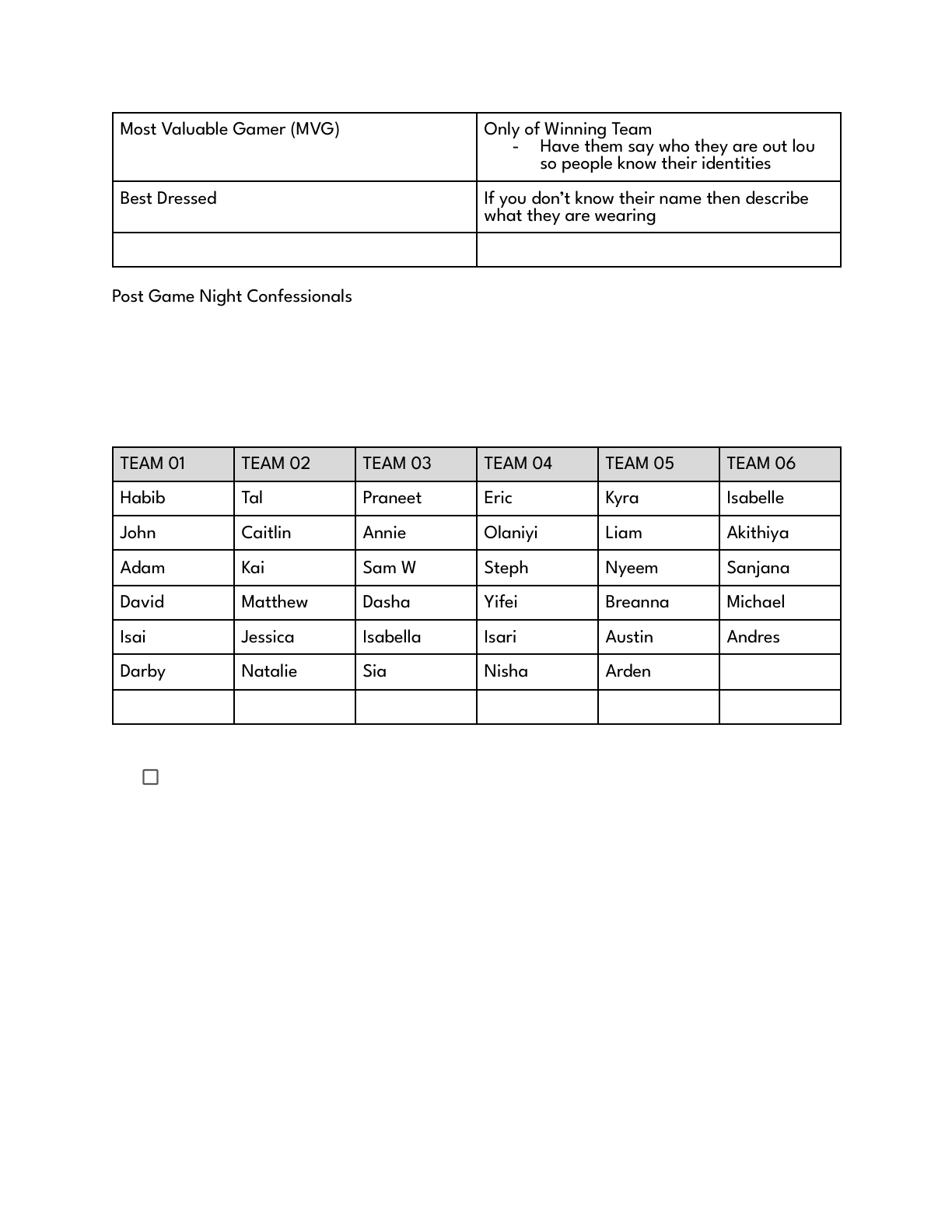
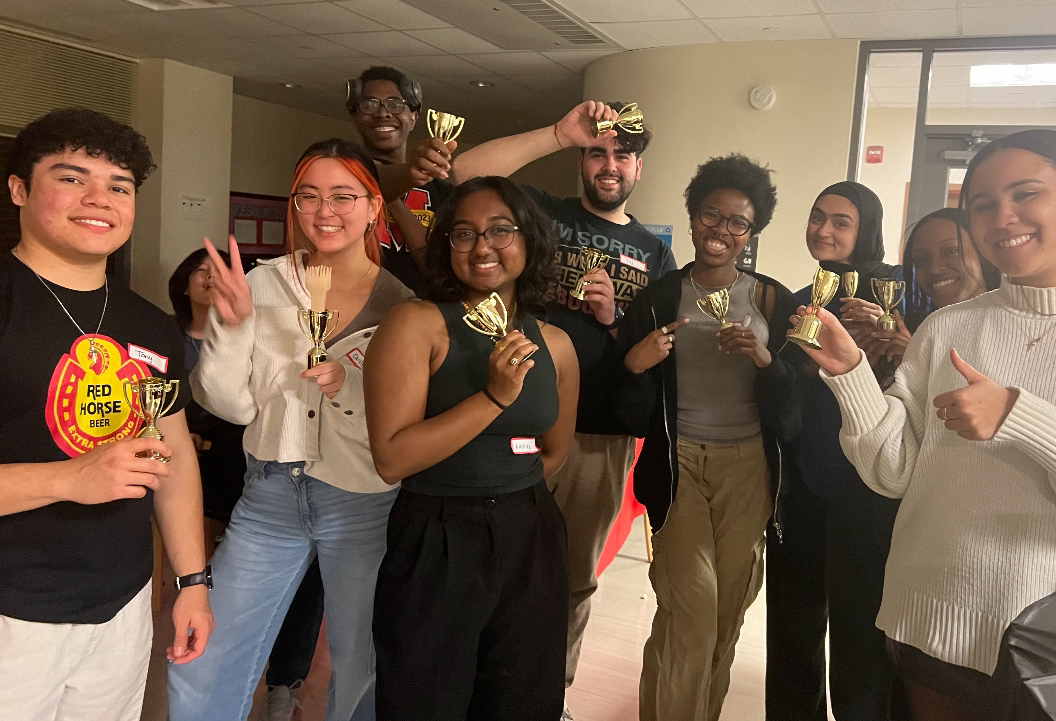
Awards
Naming the night's winners and easing the room down before it ended.
Phases 00–03 build to a first peak, intermission resets it, 04–06 climb higher to the finale, 07 eases the room down
Comeback mechanics
I built in bonus points and ways for a team far behind to retake the lead at any point; if people felt like there was no way back, they'd lose the drive to keep playing, and I wanted to make sure that never happened.
Sequencing the night around who was in the room
I built each night mixing game types on purpose so different kinds of people got their moment.
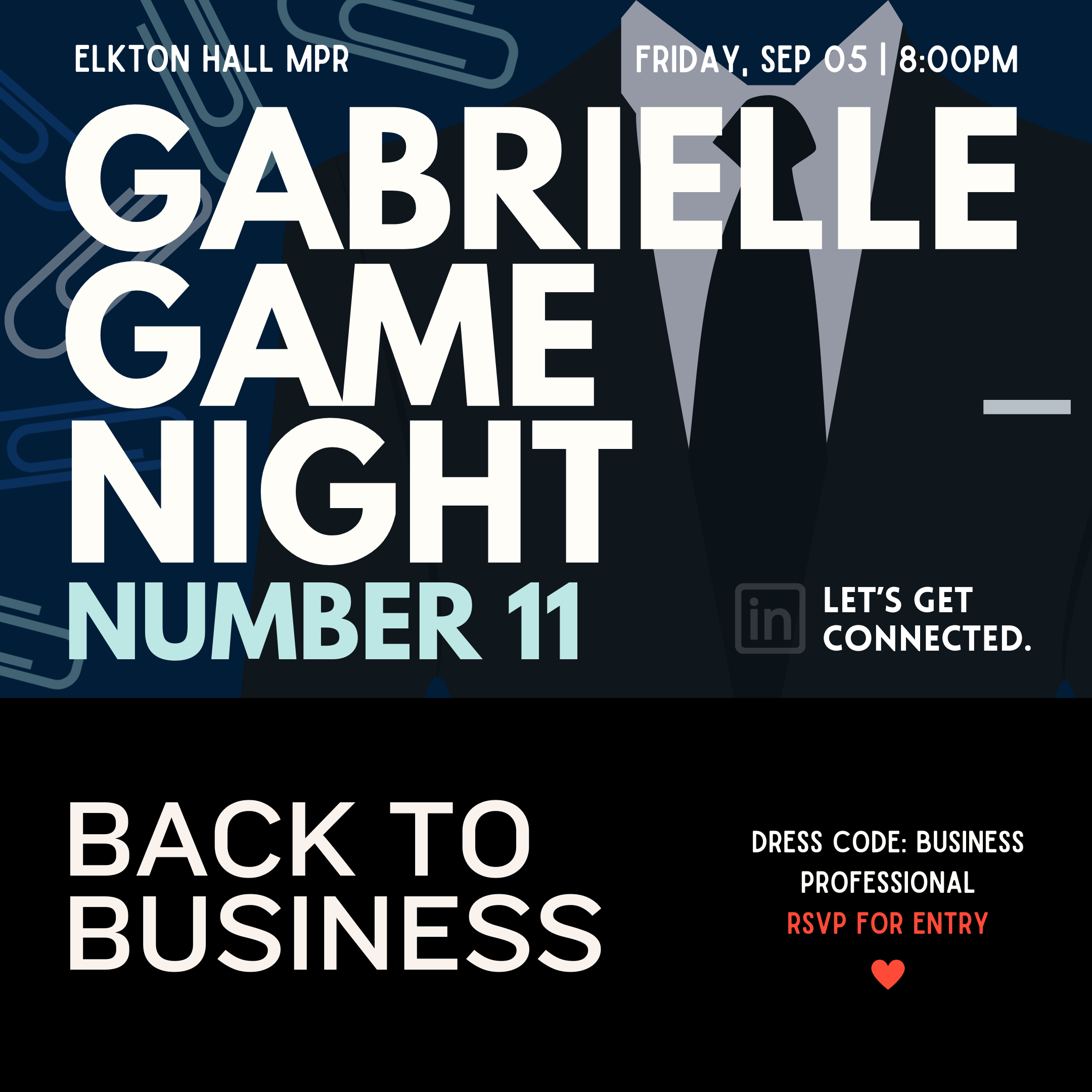
Example Games from Game Night 11 (Back to Business)
Recall
Technical Interview
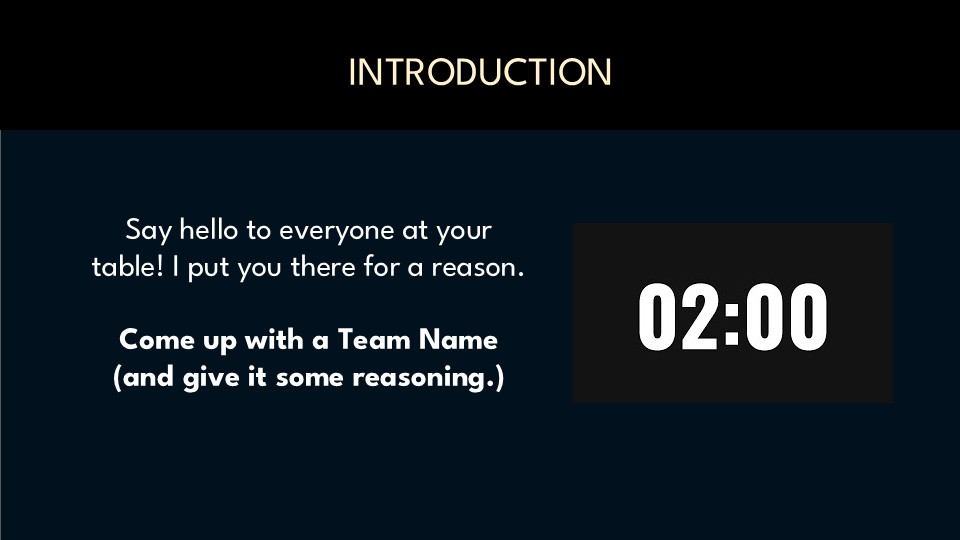
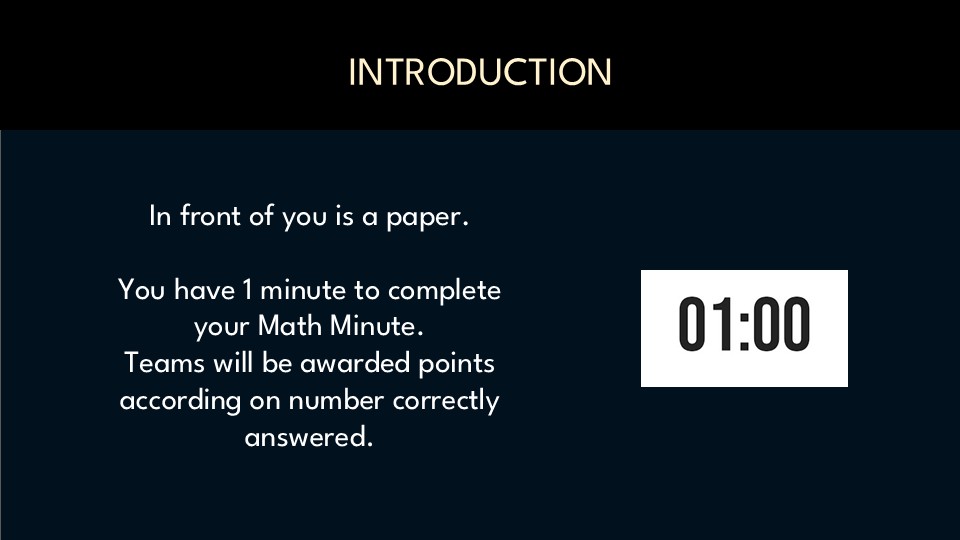
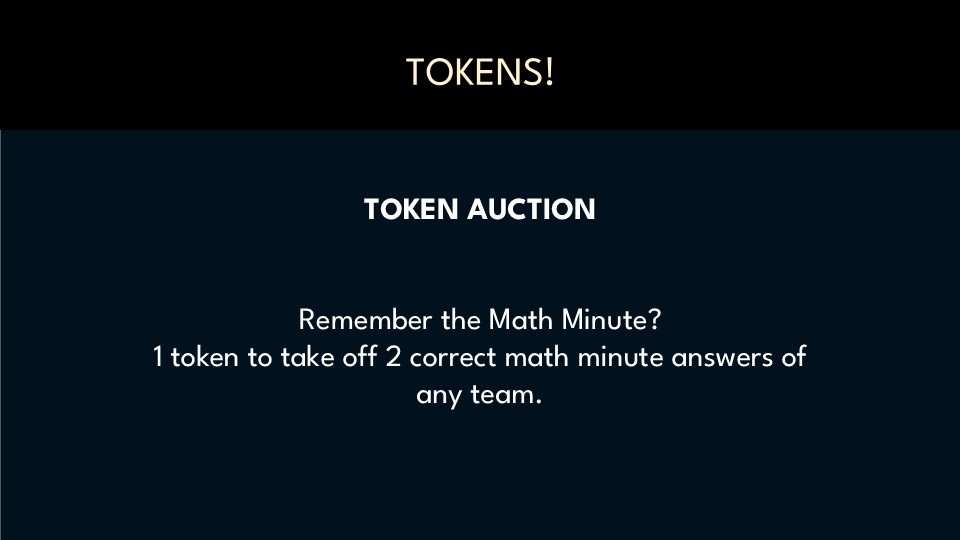
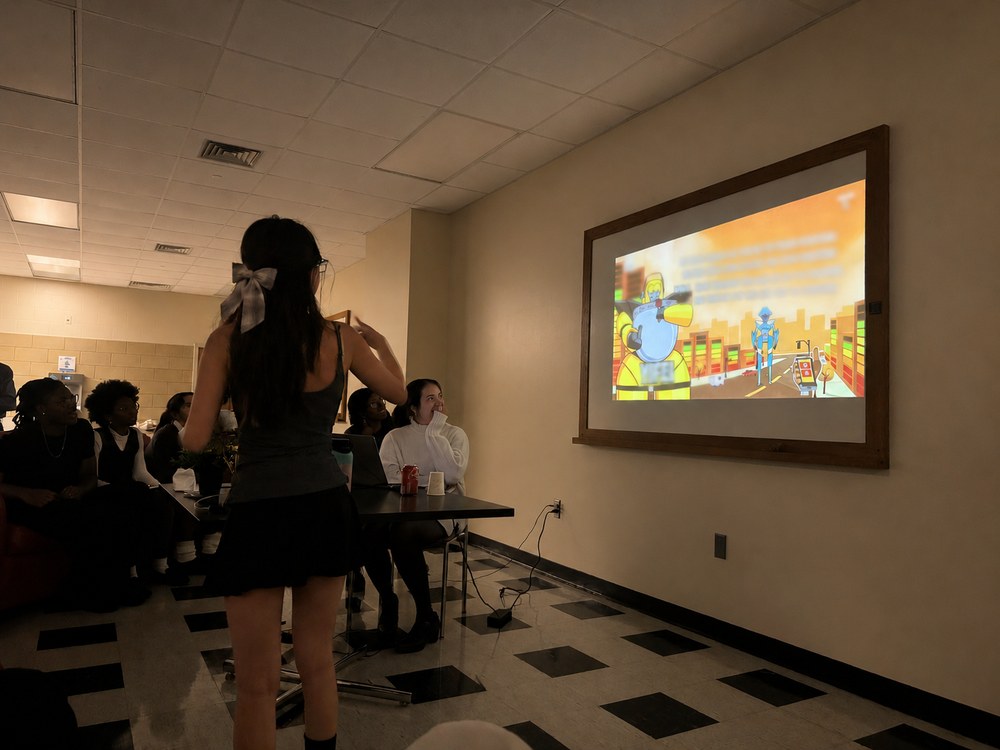
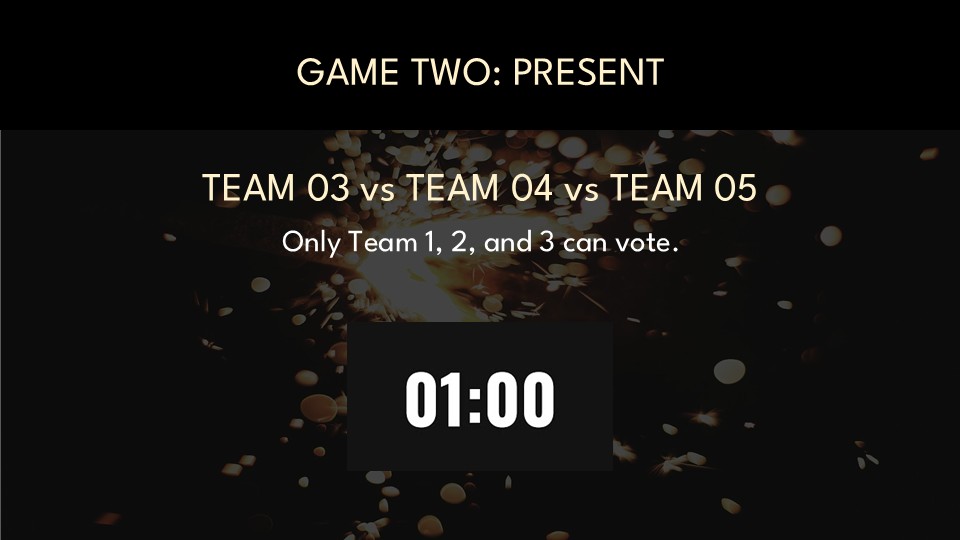
A timed Math Minute round, with scores held back and announced together at the end of the night, so a team that wasn't in first still had a reason to hope.
A timed Math Minute round, with scores held back and announced together at the end of the night, so a team that wasn't in first still had a reason to hope.
Recall
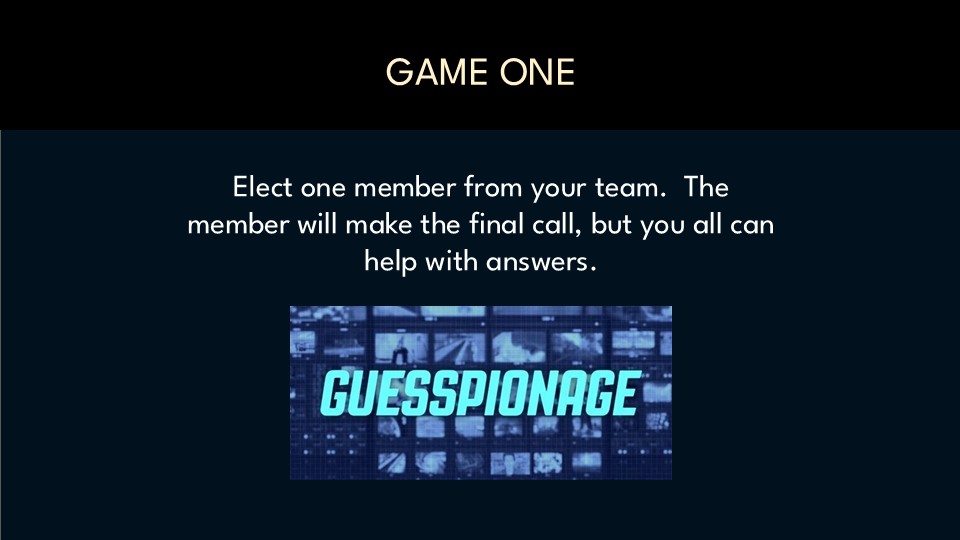
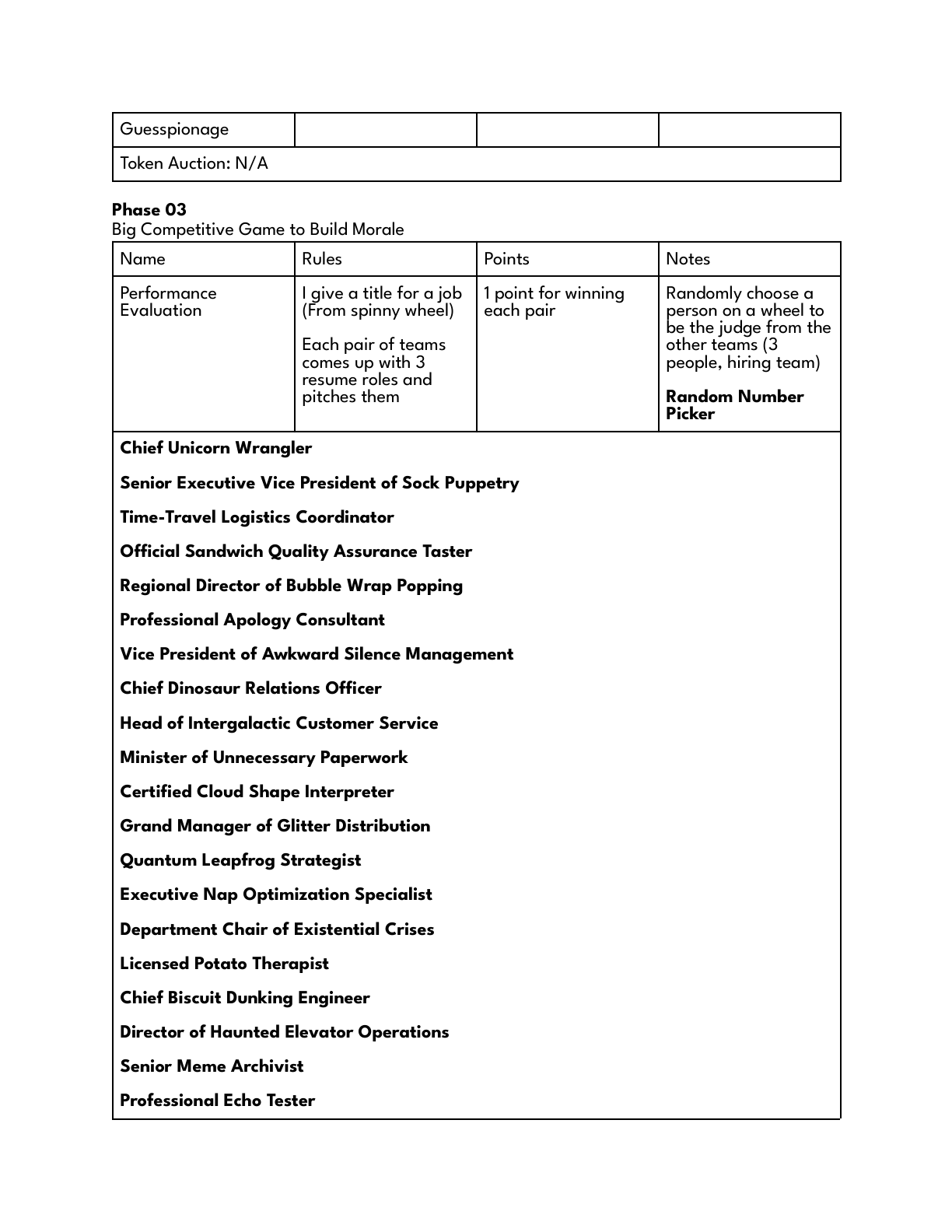
Guesspionage
Jackbox's Family Feud-style game: one player guesses what percent of people answered a poll a certain way, everyone else bets over or under, and points go to whoever gets closest to the truth.
Jackbox's Family Feud-style game: one player guesses what percent of people answered a poll a certain way, everyone else bets over or under, and points go to whoever gets closest to the truth.
Performance
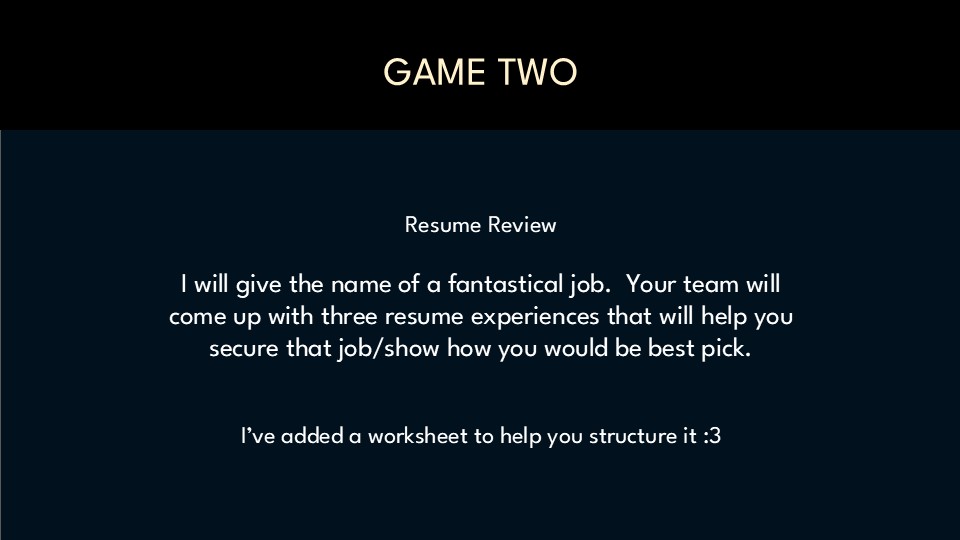
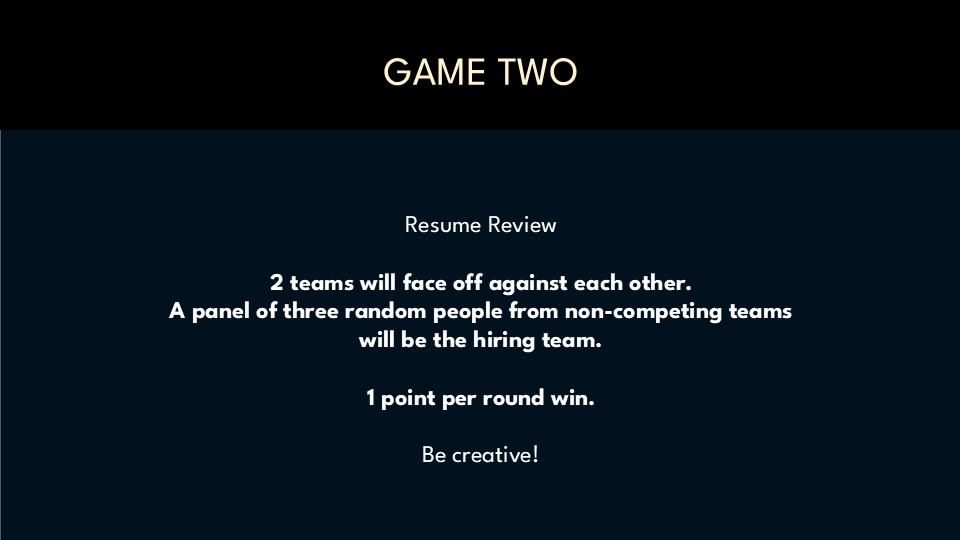
Resume Review
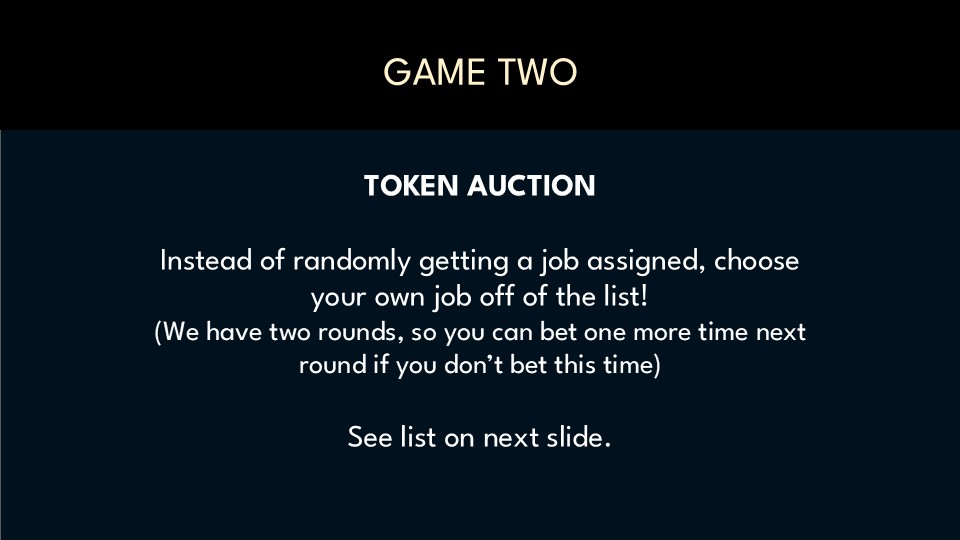
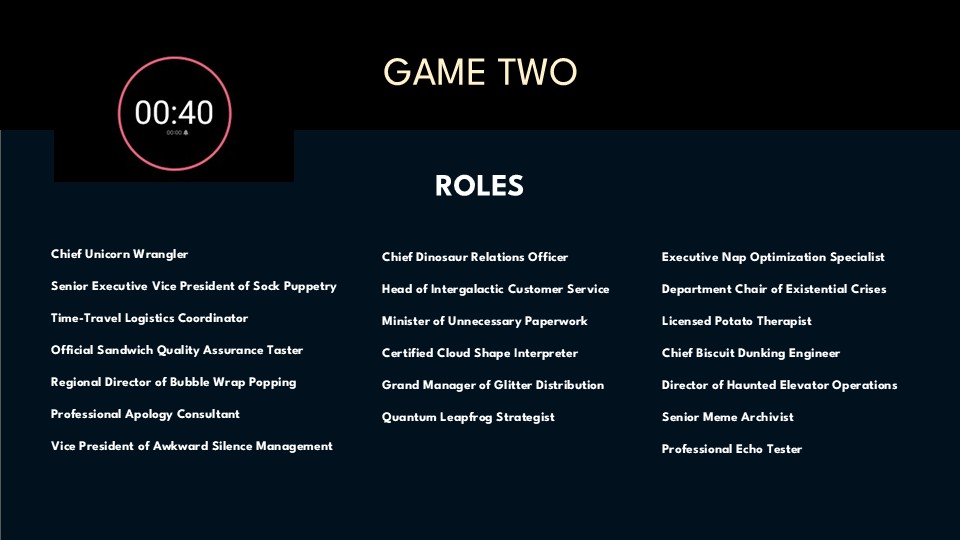
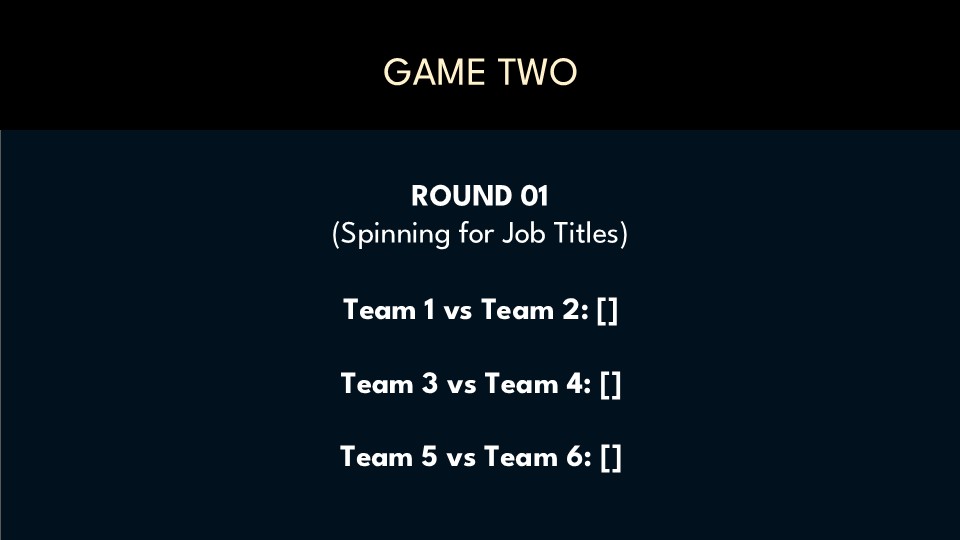
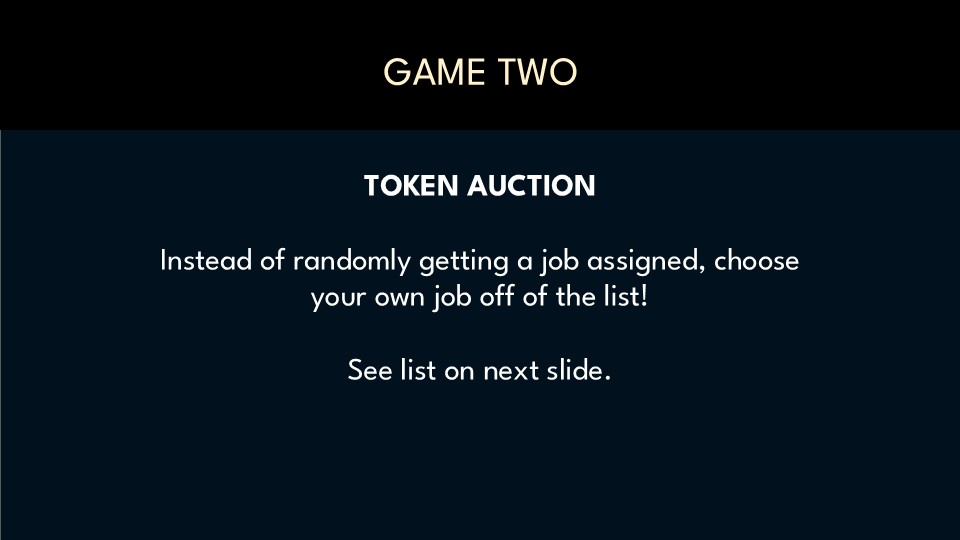
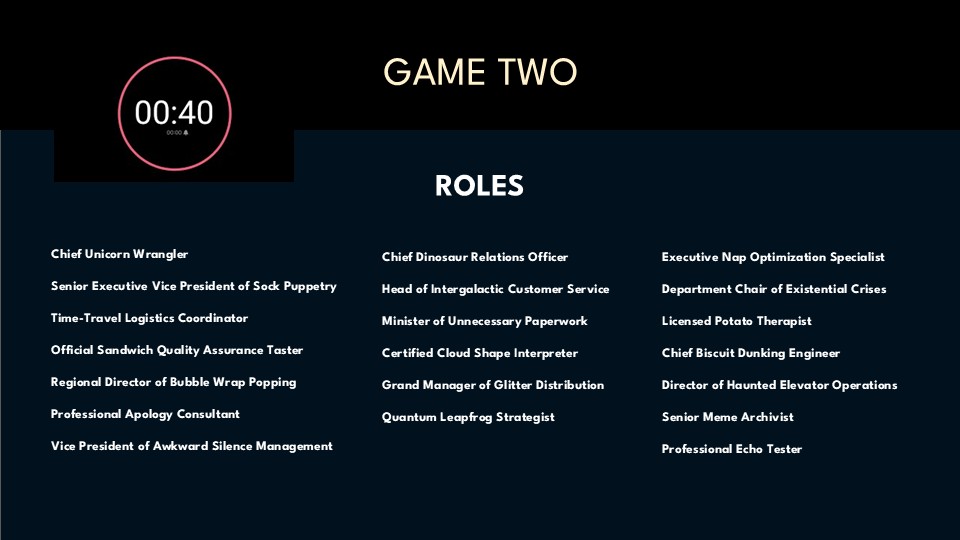
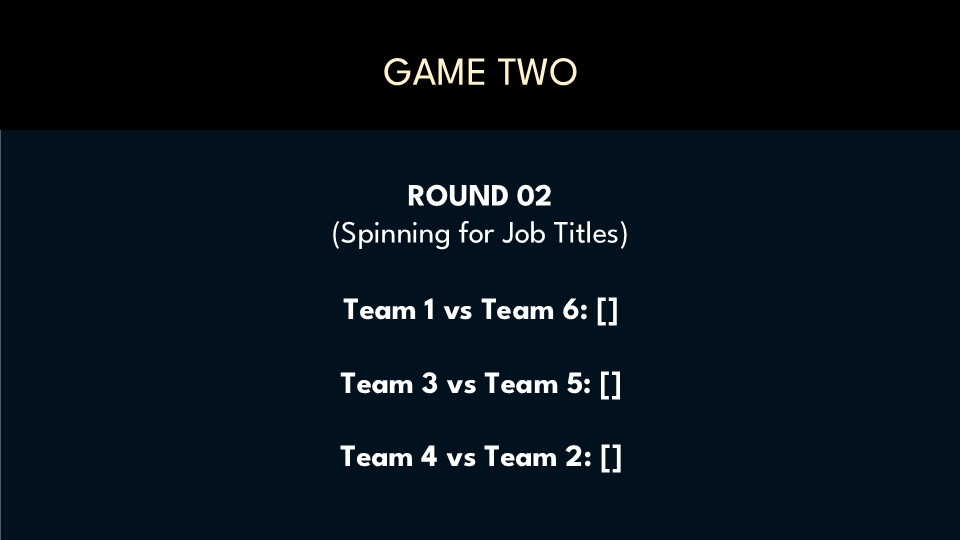
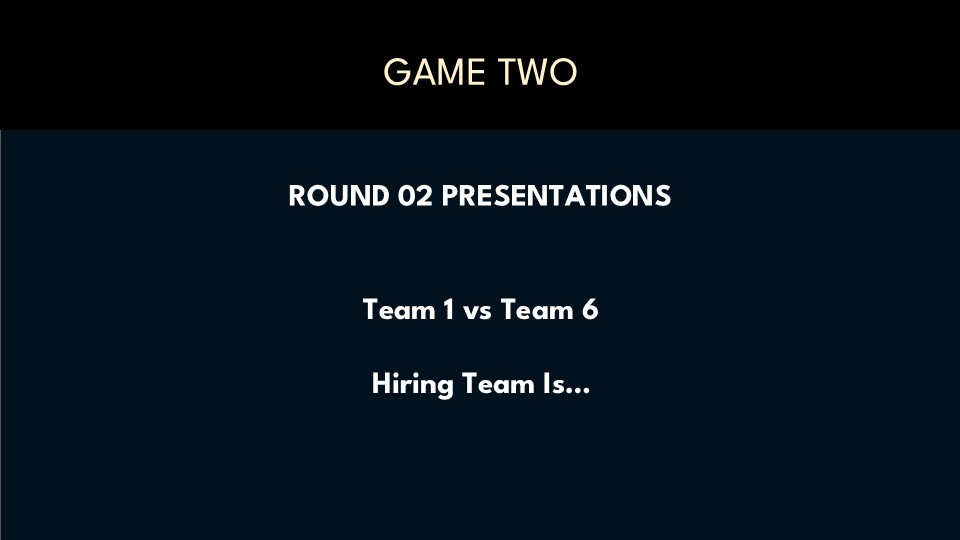
Each pair of teams comes up with three fake resume experiences to get hired for a job spun off a wheel (“Chief Unicorn Wrangler,” “Licensed Potato Therapist”) and pitches them to a judge randomly drawn from the other teams.
Each pair of teams comes up with three fake resume experiences to get hired for a job spun off a wheel (“Chief Unicorn Wrangler,” “Licensed Potato Therapist”) and pitches them to a judge randomly drawn from the other teams.
Performance
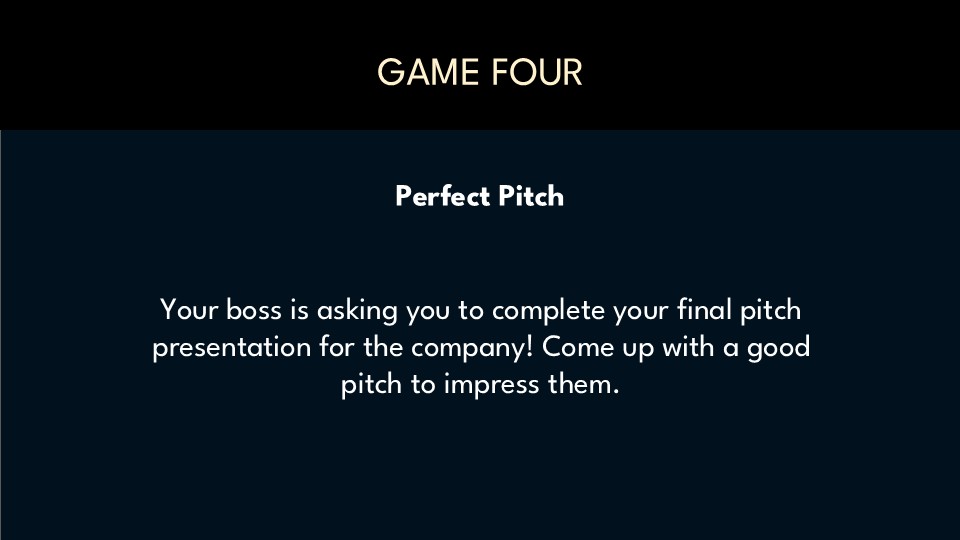
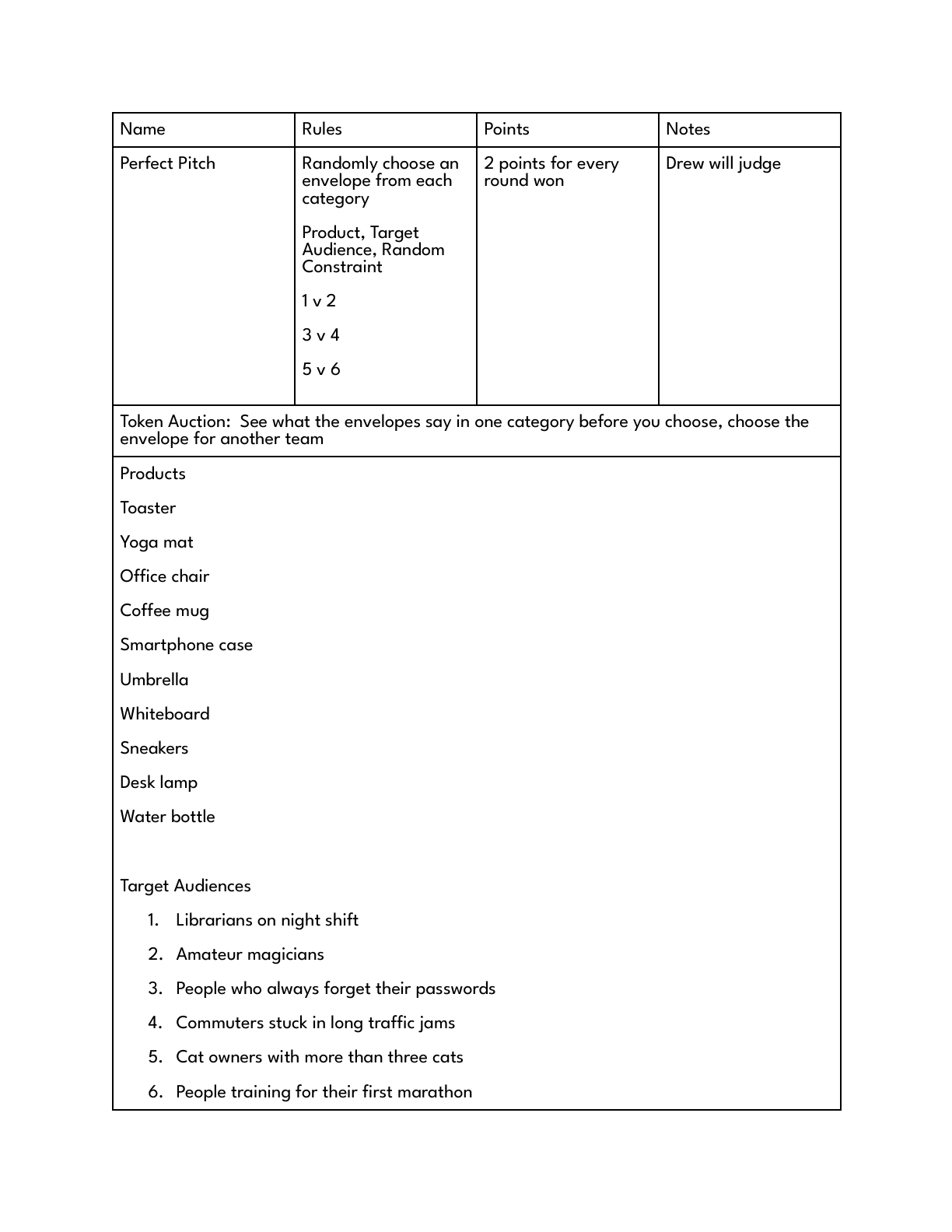
Perfect Pitch
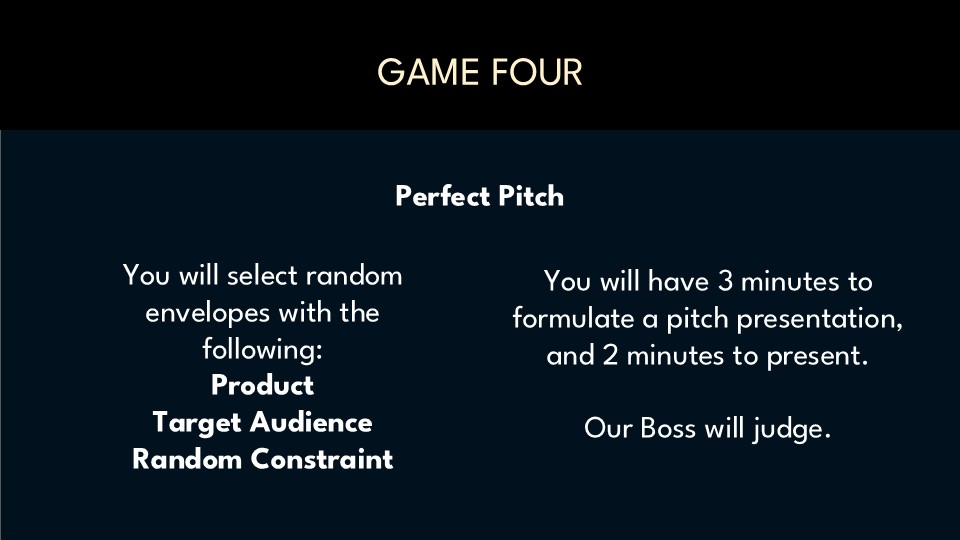
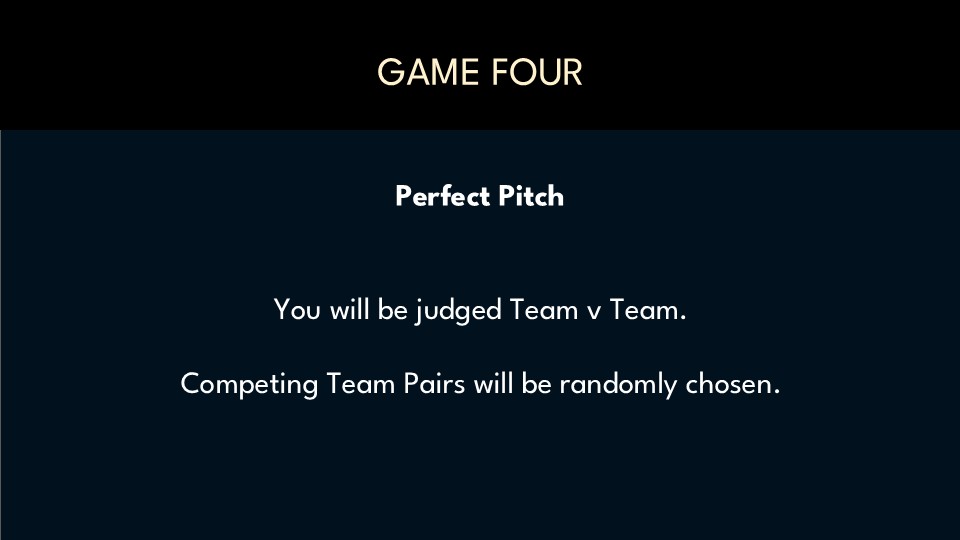
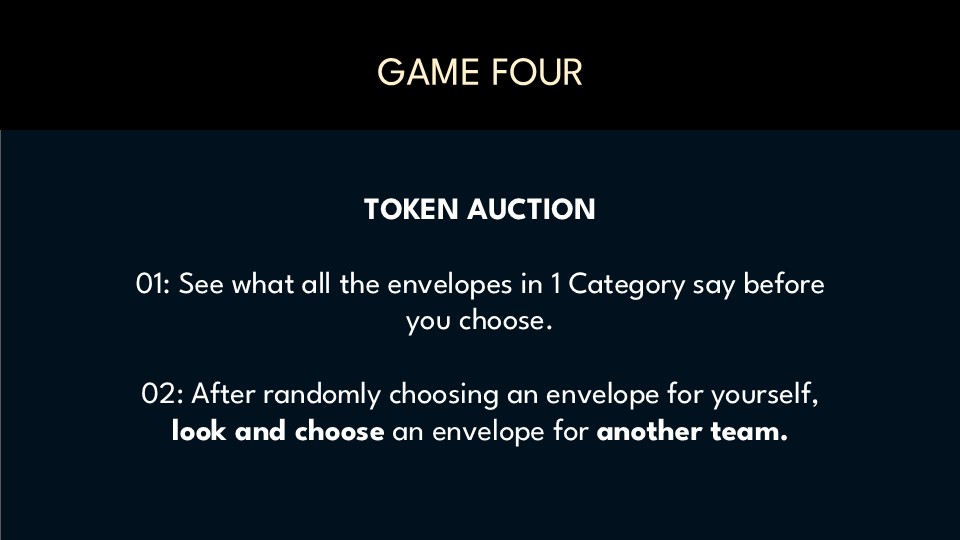
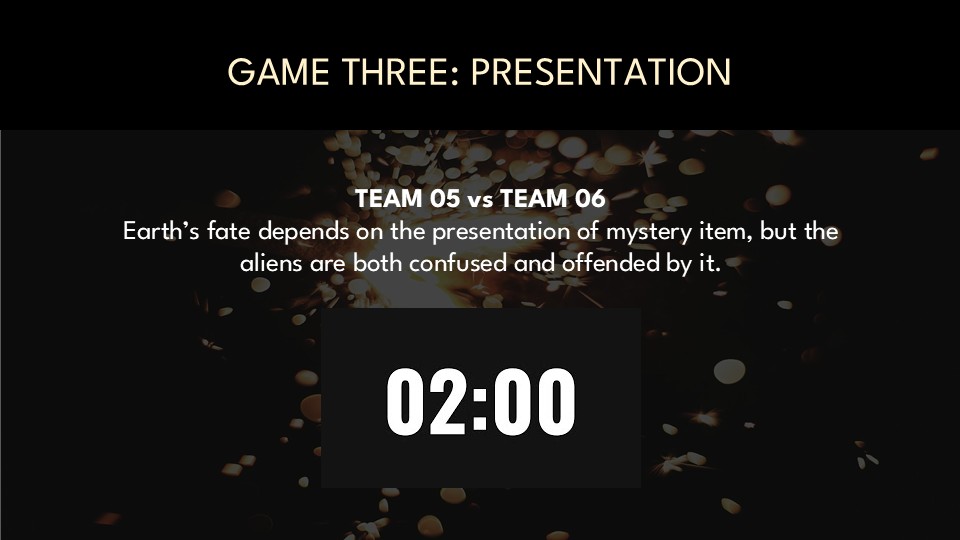
Teams draw a random product, target audience, and constraint (like selling a toaster to cat owners with more than three cats, without using the word “toast”), then improvise a pitch head-to-head against another team.
Teams draw a random product, target audience, and constraint (like selling a toaster to cat owners with more than three cats, without using the word “toast”), then improvise a pitch head-to-head against another team.
Physical
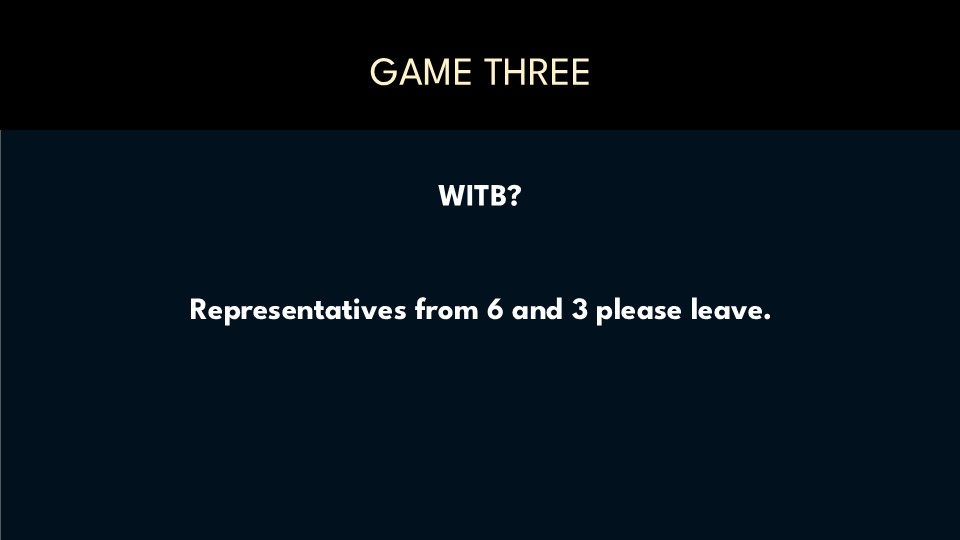
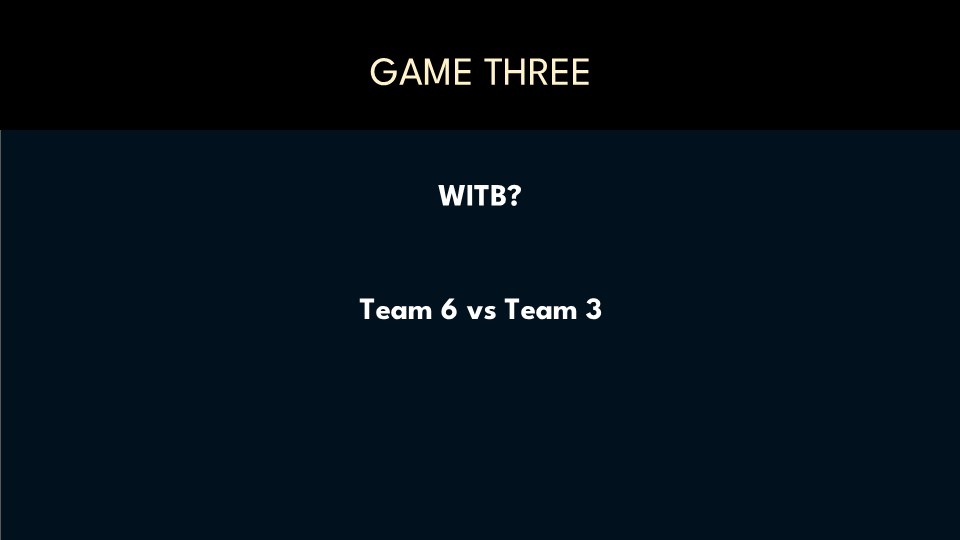
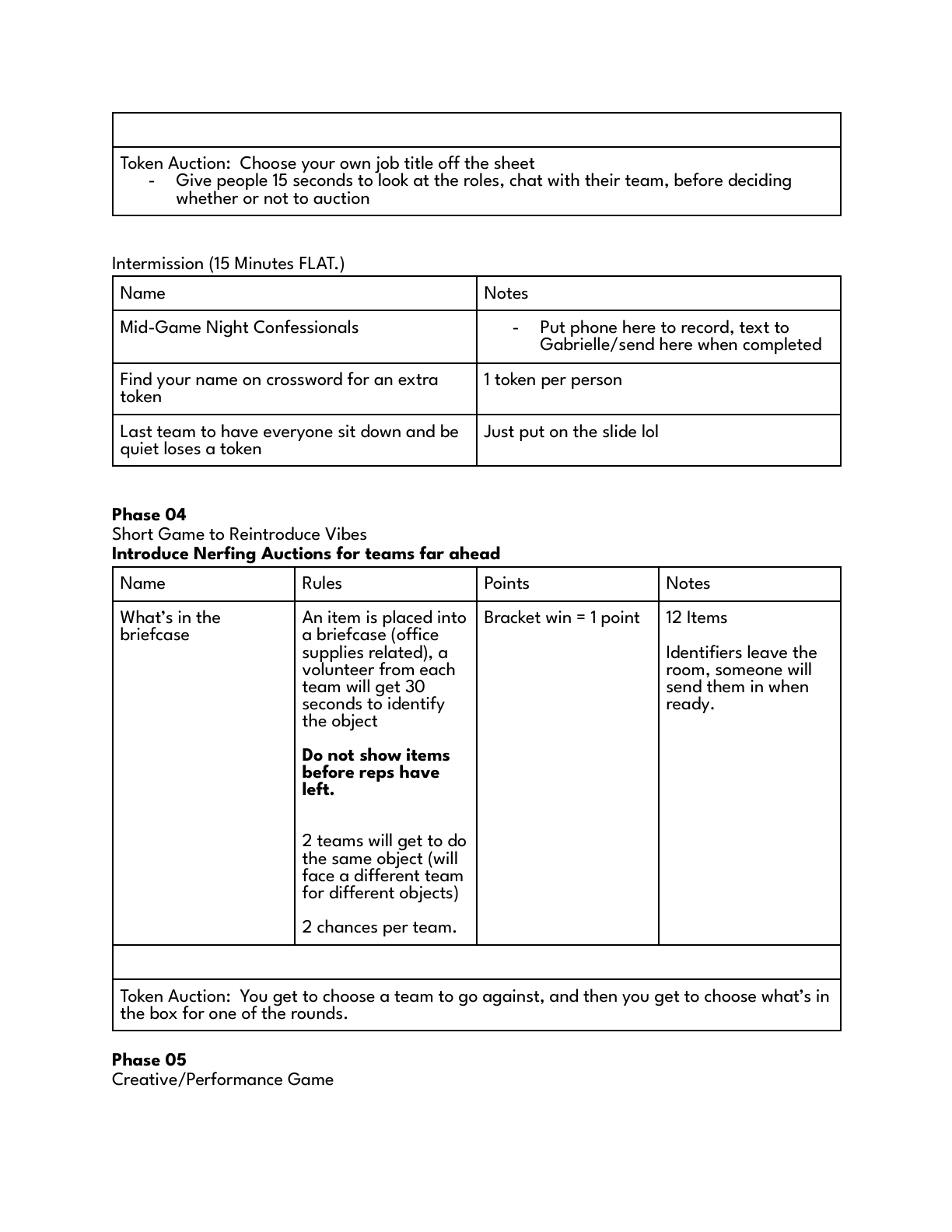
What's in the Briefcase
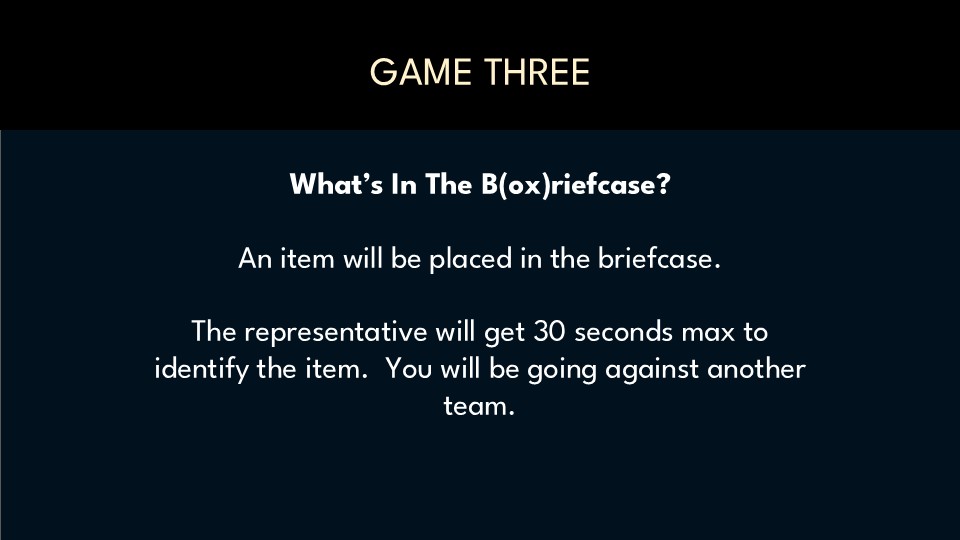
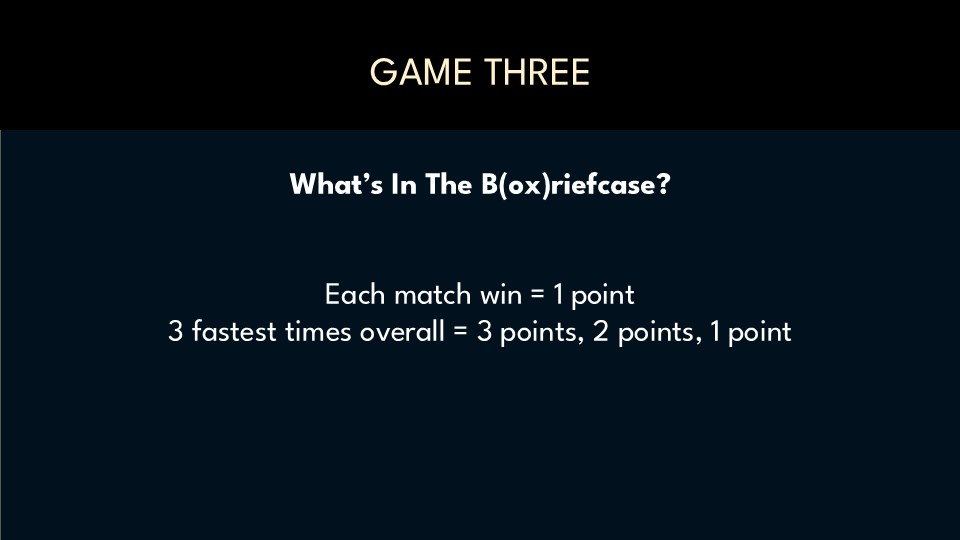
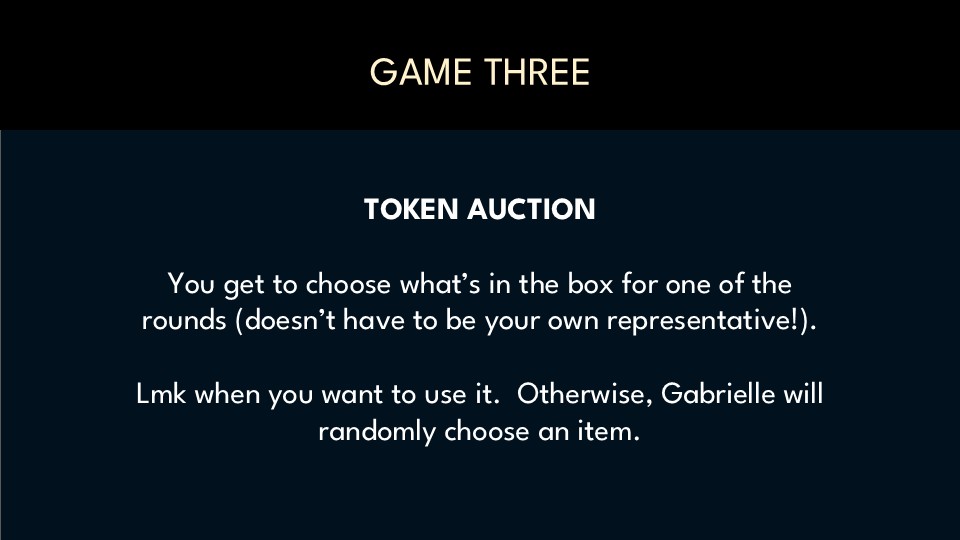
One rep from each team gets 30 seconds to identify an office-supply object sealed inside a briefcase, run bracket-style across 12 items so every team faced a different object each round.
One rep from each team gets 30 seconds to identify an office-supply object sealed inside a briefcase, run bracket-style across 12 items so every team faced a different object each round.
Physical
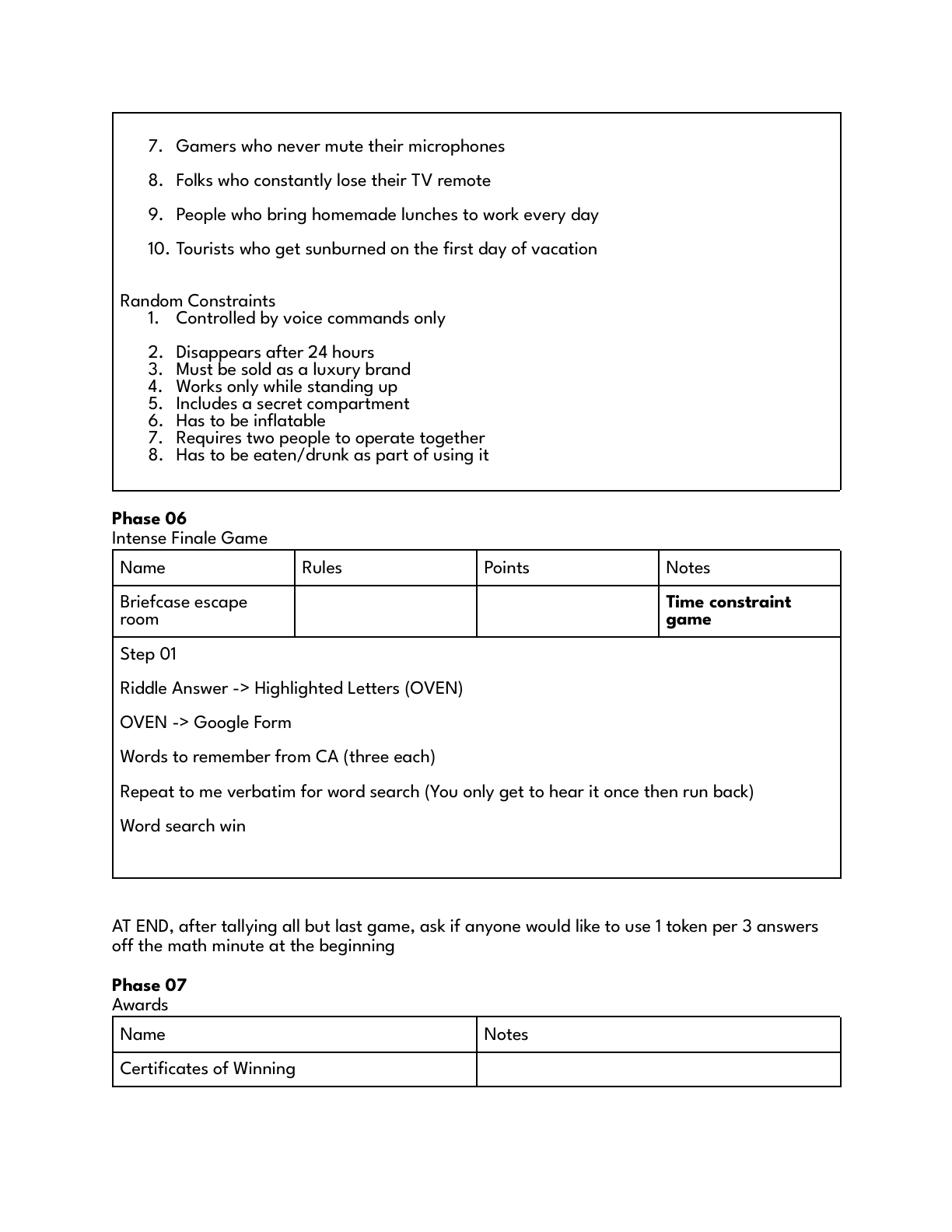
Briefcase Escape Room
A closing escape room built as a chain: solve a riddle, decode the highlighted letters, then sprint back to your team to relay a word by memory before the search could even begin.
A closing escape room built as a chain: solve a riddle, decode the highlighted letters, then sprint back to your team to relay a word by memory before the search could even begin.
Once people were actually in the room, the job shifted from designing games to orchestrating them.
Running the room
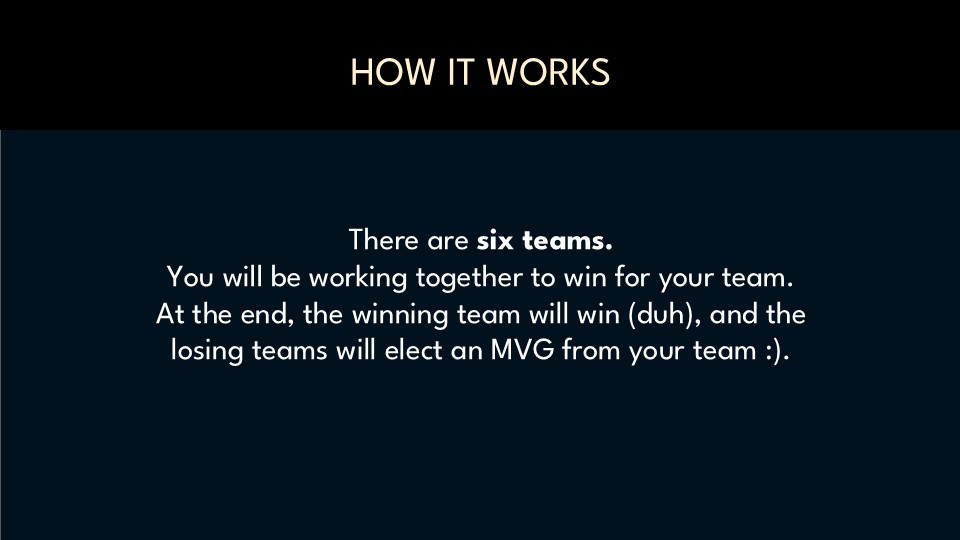
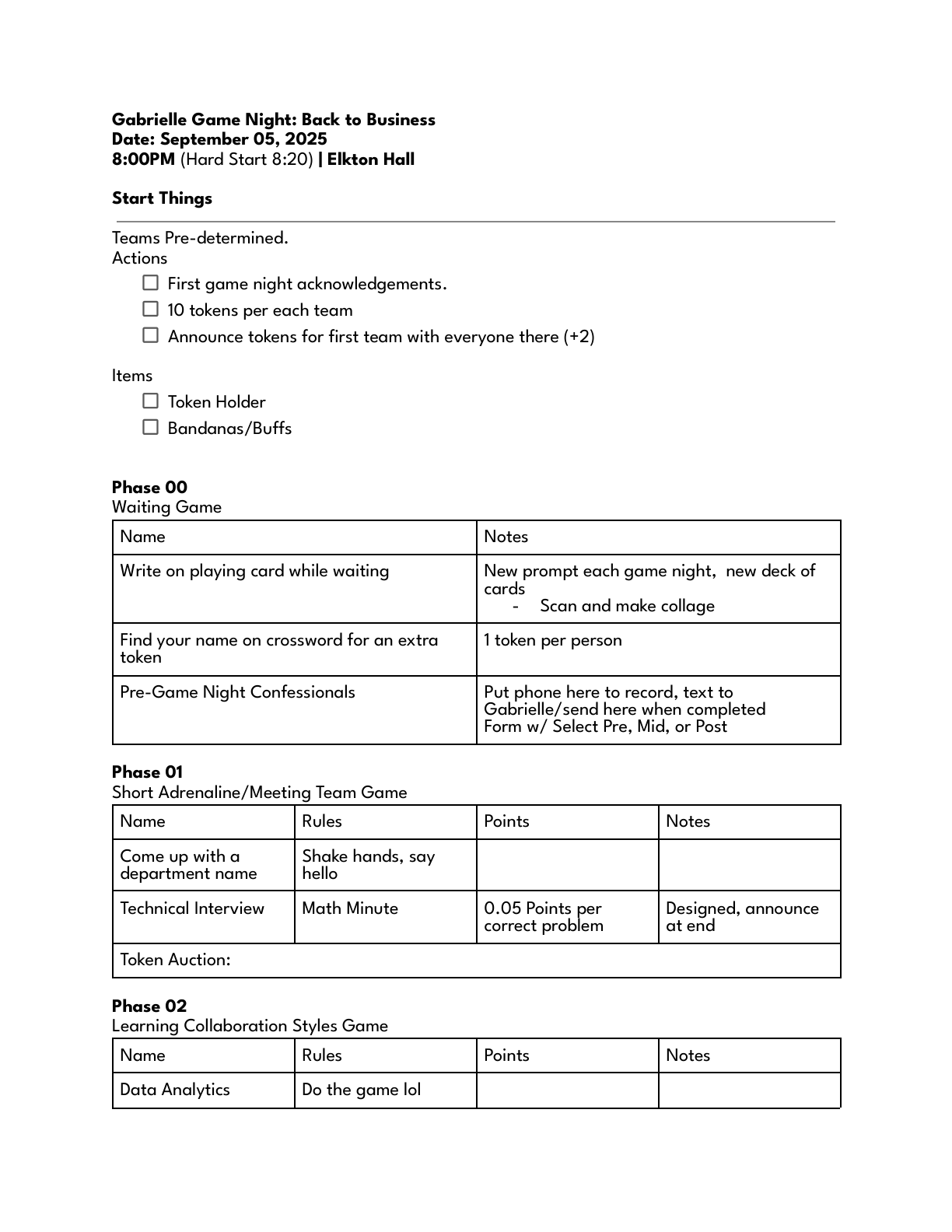
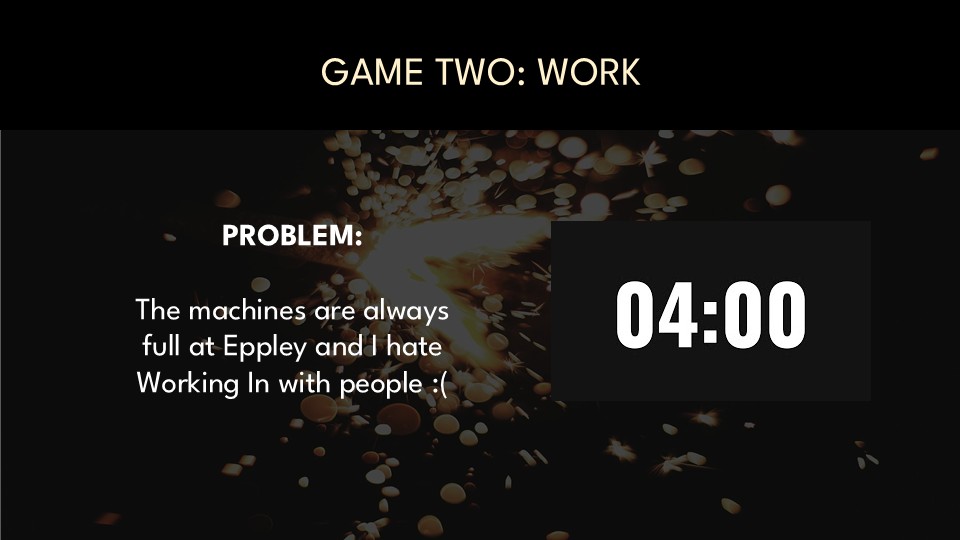
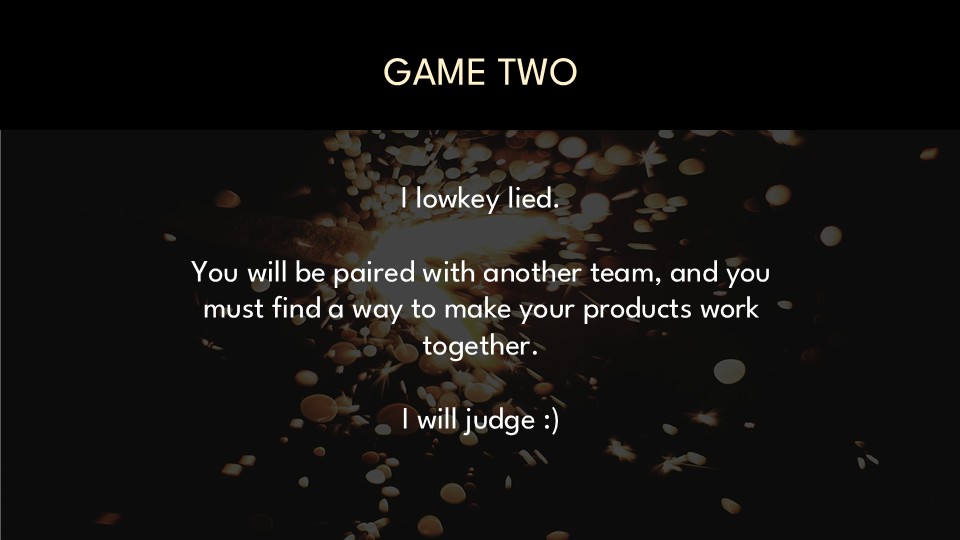
Behind the scenes, I ran the whole night off an internal spreadsheet that handled every calculation and logistical detail (not player-visible). To actually run the room off of it, I adapted that same structure into a visual slideshow for myself and the players to follow along with.
Game Night 11 Main slideshow
Players only ever saw the smooth, "on the surface" version, while the slideshow let me stay aligned with the spreadsheet underneath it, where I kept personal tallies, reminders, and notes.
Game Night 11 Organizational Spreadsheet
Arranging the seating
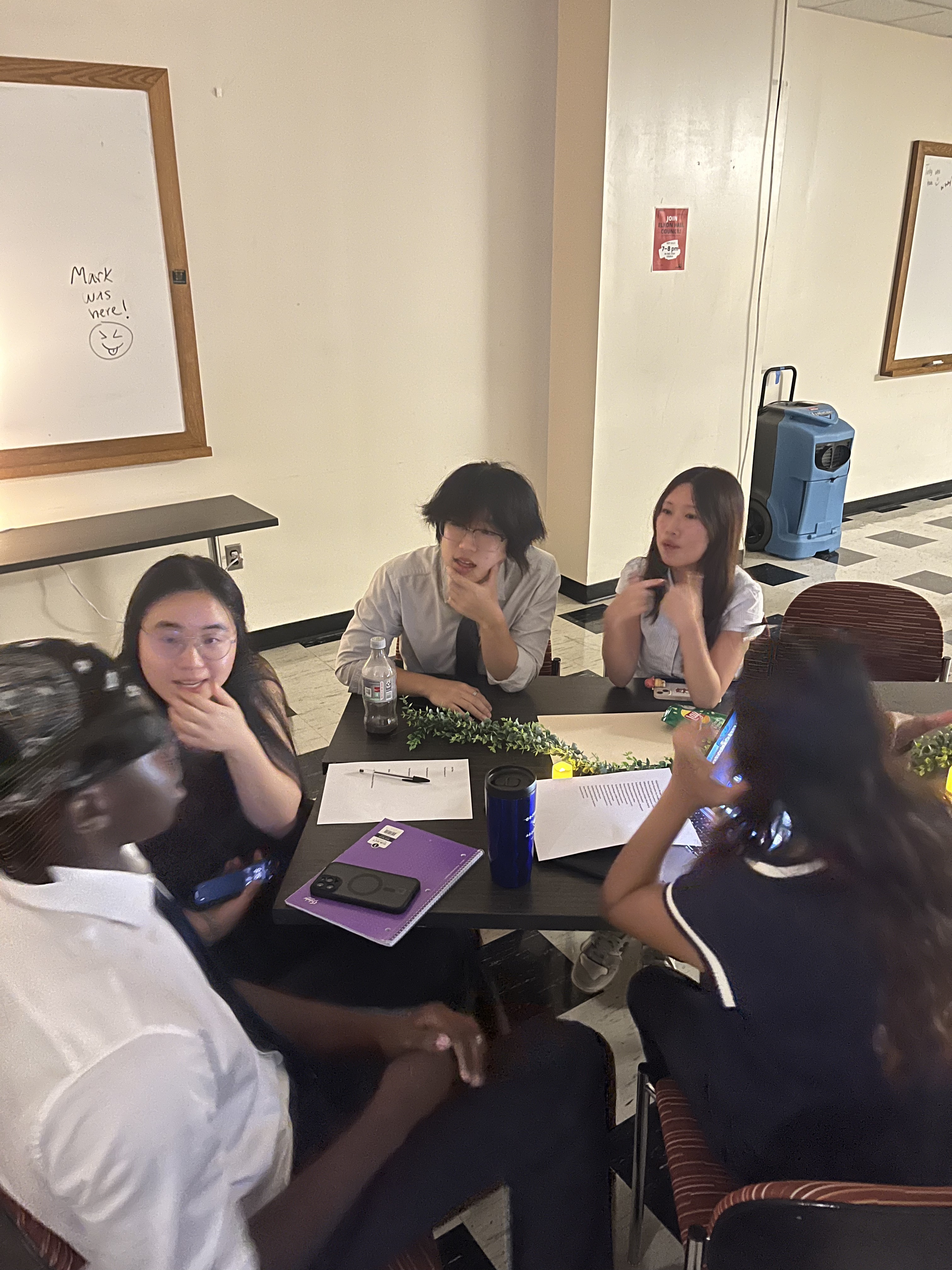
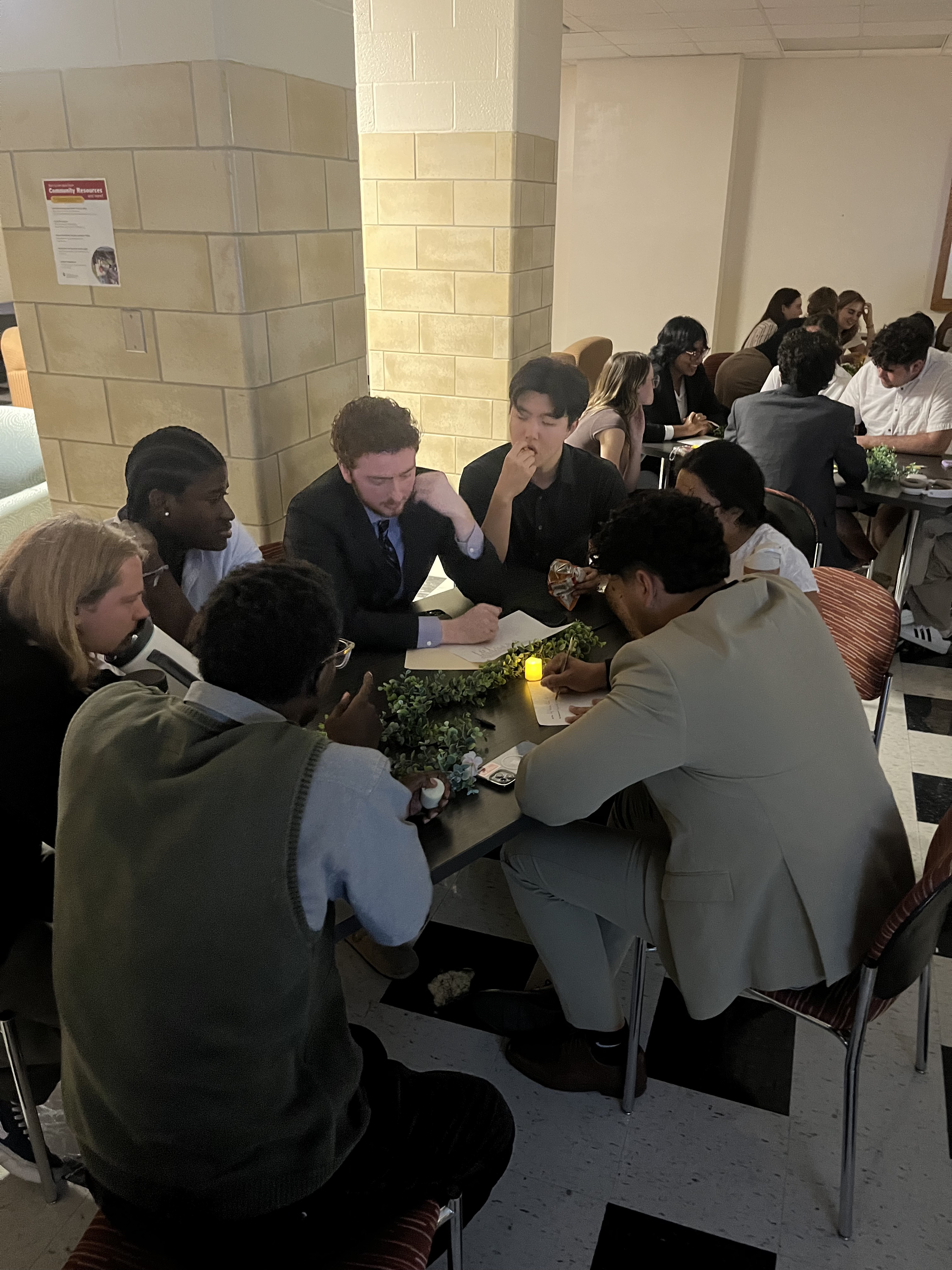
Most nights ran out of my dorm's basement, which was a big, pretty characterless space. Part of the job was making it feel confined enough to maintain the event's energy without feeling cramped.
With too many people to have every chair face the board directly, I angled the tables instead, keeping each one enough personal space and leaving sightline "windows" between them so everyone could see without straining. I also sat louder and taller people toward the back and shorter, quieter people up front, so nobody was stuck behind someone blocking their view.
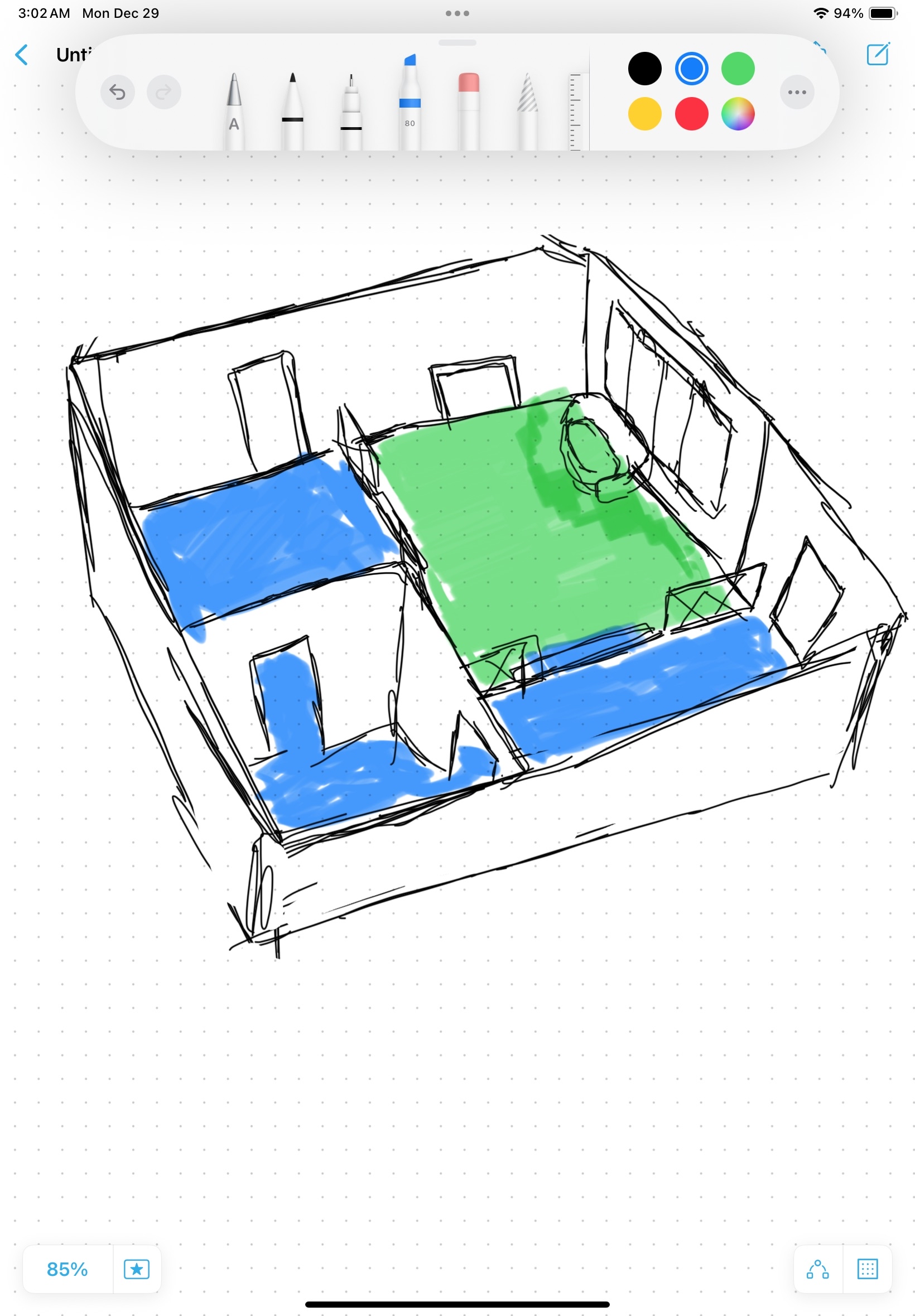
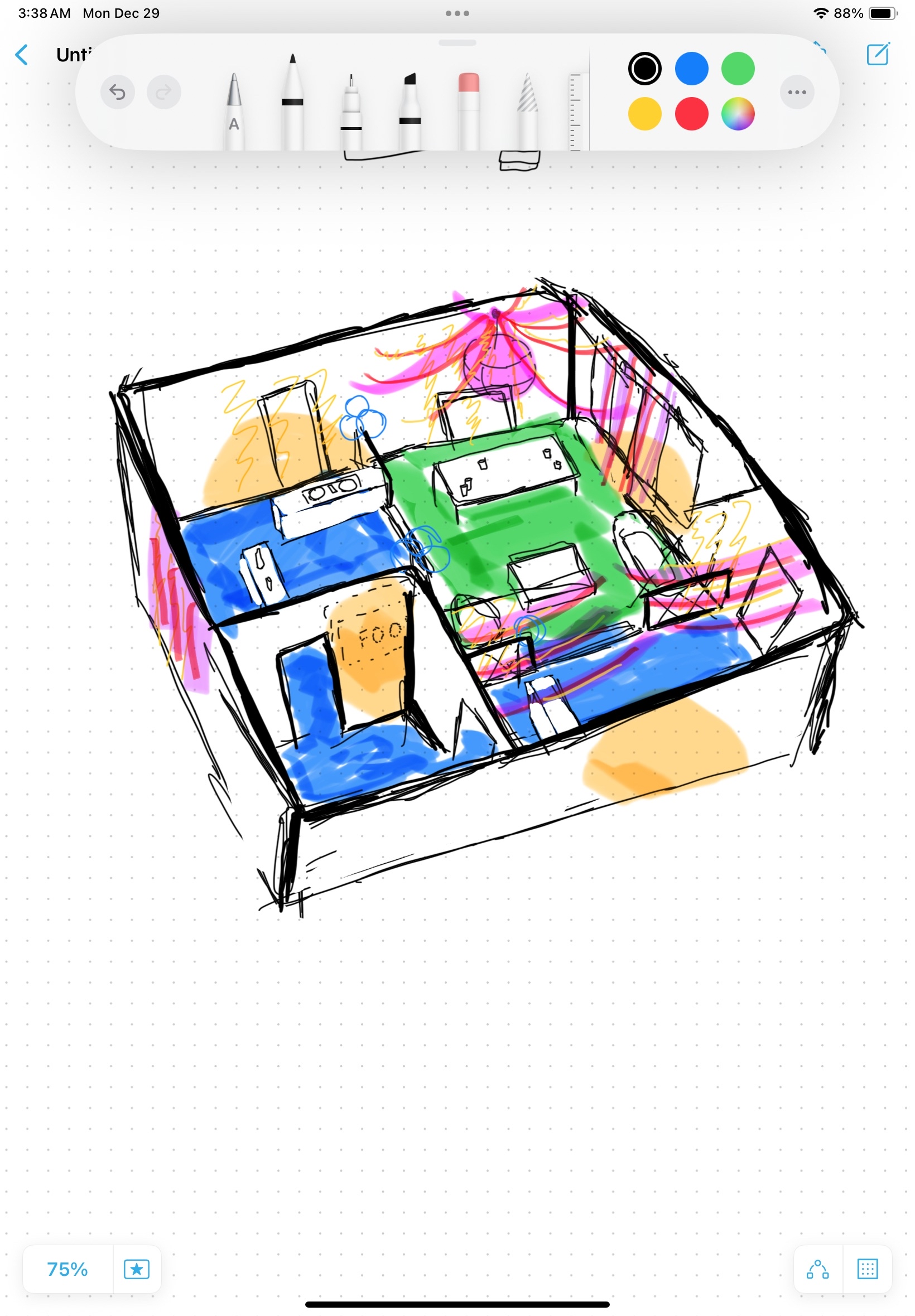
One night was hosted at a friend's house instead of the basement, so I diagrammed the room below to make sure the flow was still intentional.
Choosing representatives
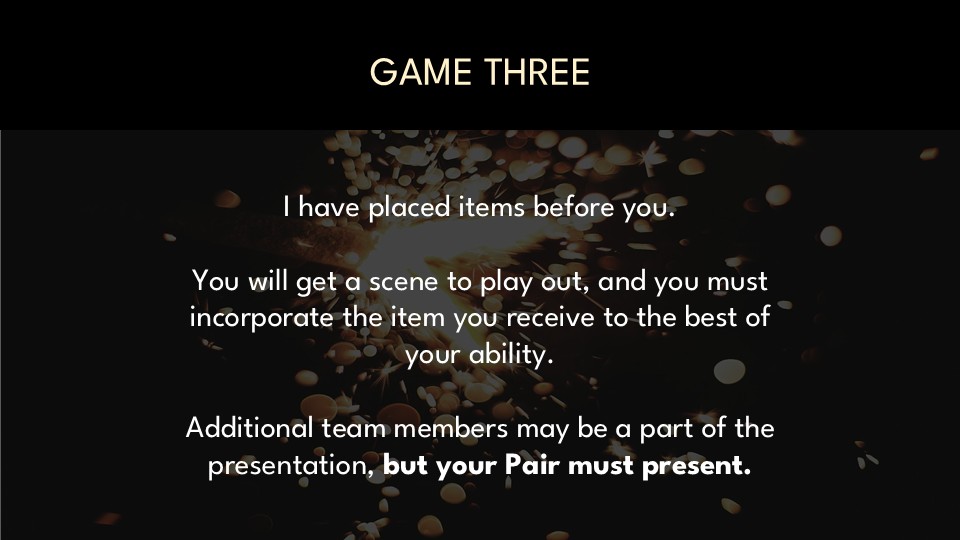
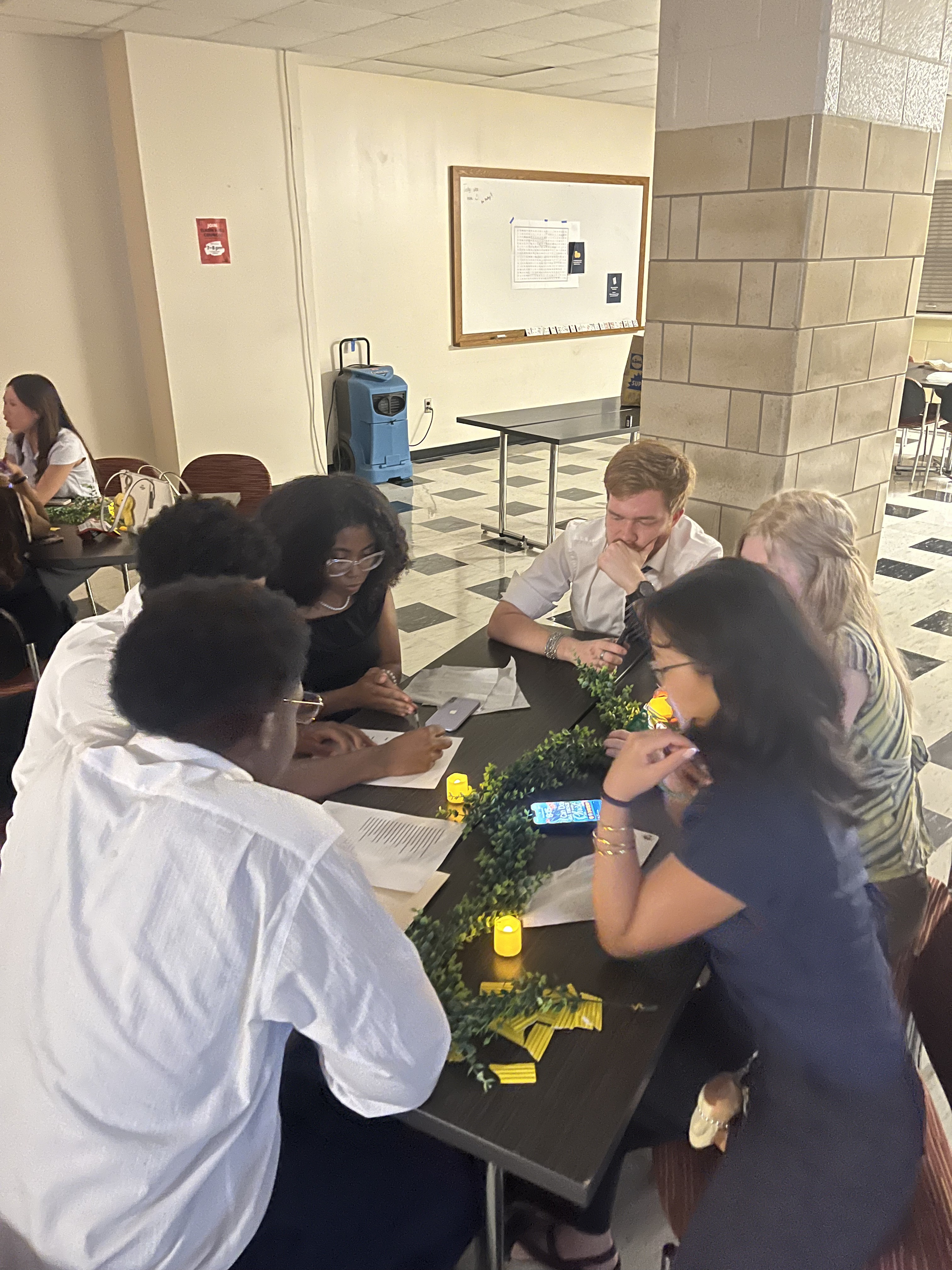
Most nights ran on teams of around eight, and letting all eight play every single game at once turned into noise: too many people answering the same trivia question, nobody actually leading. So for a lot of the games, teams picked representatives per round instead.
People who didn't want to play a specific game could just sub out for that round instead of sitting out the whole night.
Round 1
→
Round 2
→
Round 3
Up this round
Already gone
Not yet up
One eight-person team, two to three representatives sent up each round, over 3 rounds everyone gets a turn, and anyone could go again if they wanted to
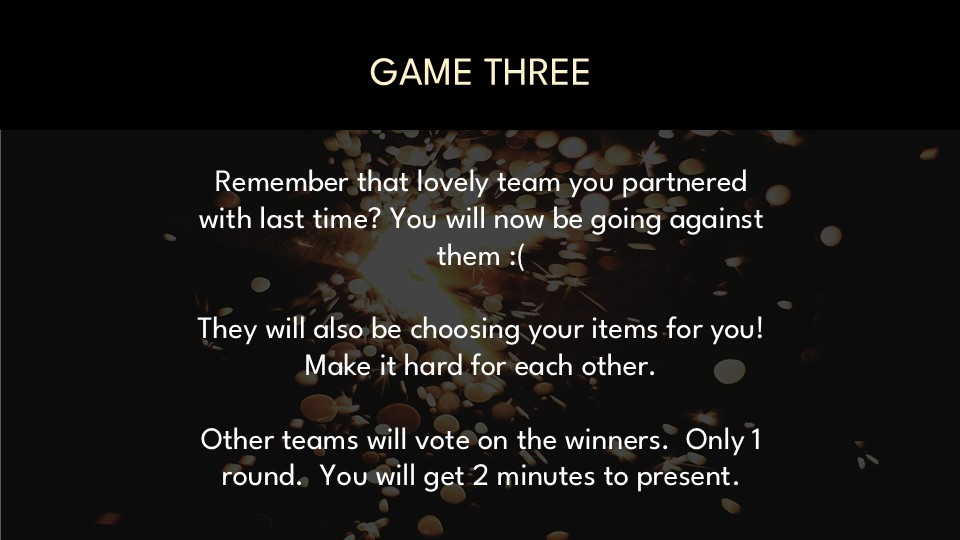
For games with judging, it was an easy option for me to just judge, but I realized this left teams who weren't actively competing with little reason to be engaged. So for judging games, I instead opted for "non-active" teams to judge games by voting or sending up representatives to be a panel, keeping everyone engaged.
Building in an intermission
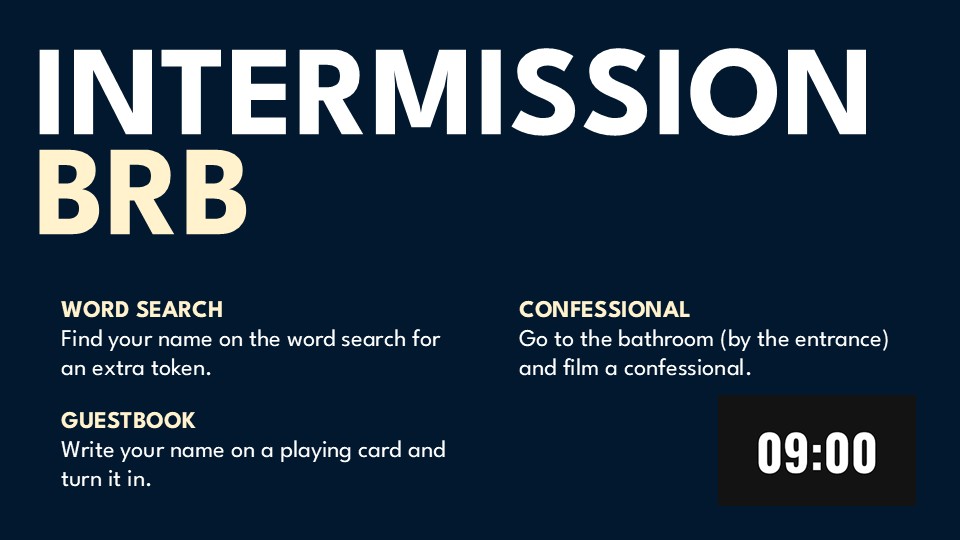
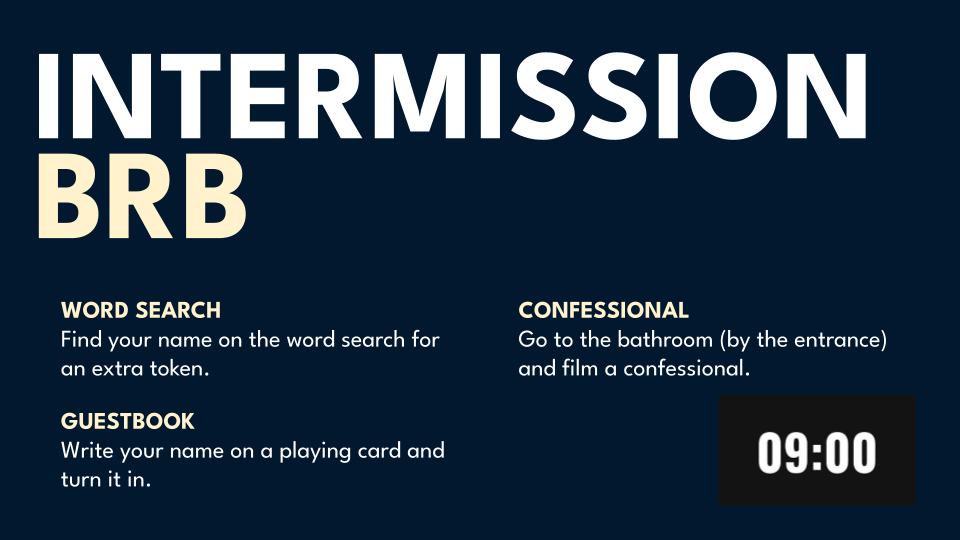
I always asked people to bring a snack, so we had plenty of snacks, but that also meant people were getting up mid-game to go grab something, which broke the room's attention.
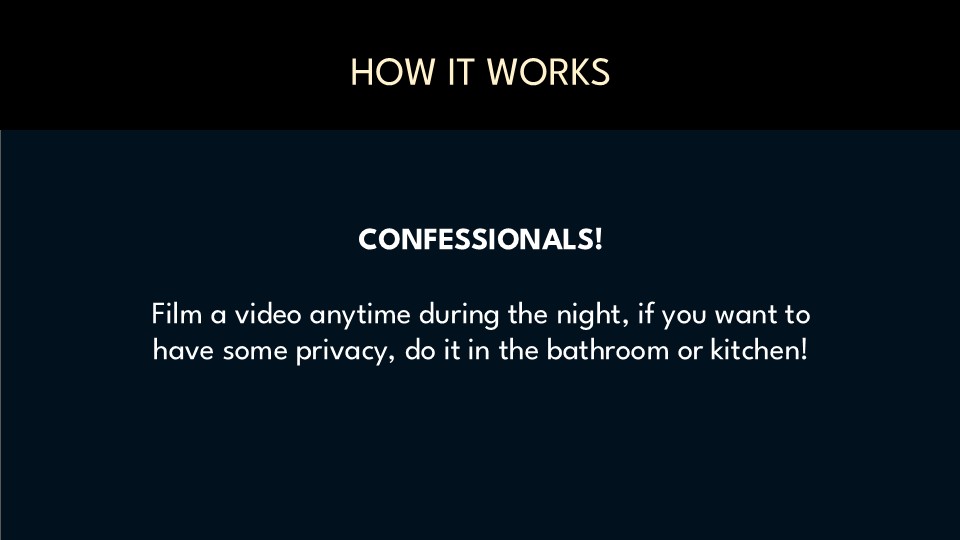
The fix was a built-in intermission; people stopped drifting during games, and the break itself turned into one of the more energizing parts of the night: time carved out to cut away from the games and just talk to someone new, or film a confessional that I would share after the night was over.
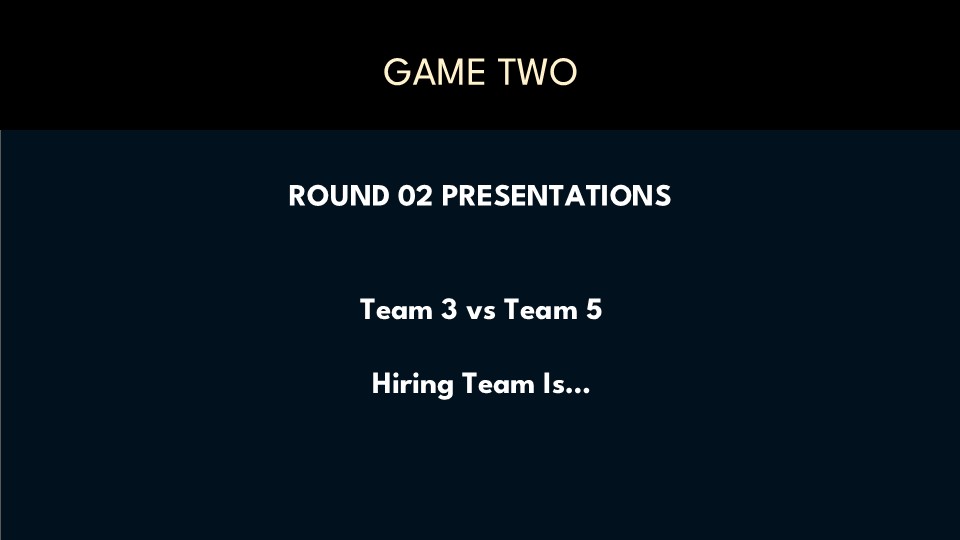
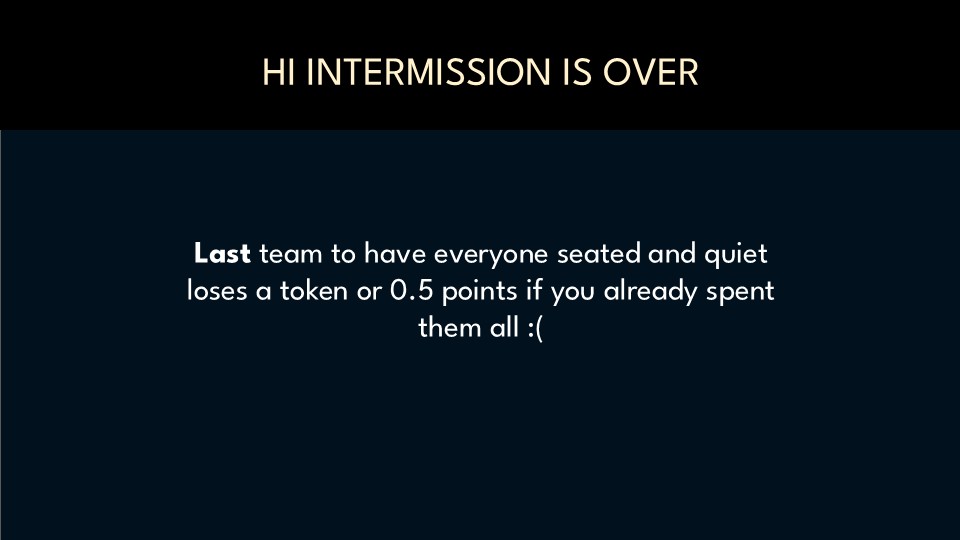
Getting people to sit back down after intermission was its own problem, so I quietly added a rule to the slide: last team seated and quiet gets a penalty. It cost the whole team, not just whoever was slow, so people actually started telling their teammates to hurry up.
Unexpected drops and late arrivals kept undoing weeks of planning, so I wrote a formal rule set.
Writing the rules
I appreciated everyone who showed up, but I couldn't keep running things smoothly with people dropping out or showing up very late, so I wrote a formal rule set. It wasn't about being strict for its own sake; it was what let me keep doing this without it taxing me.
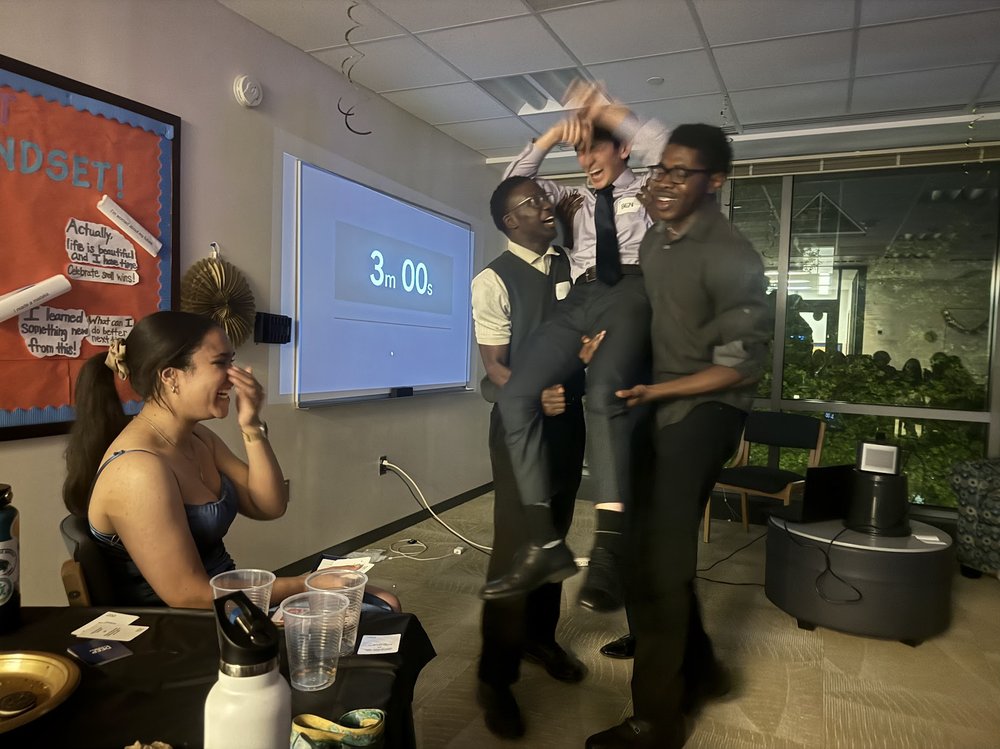
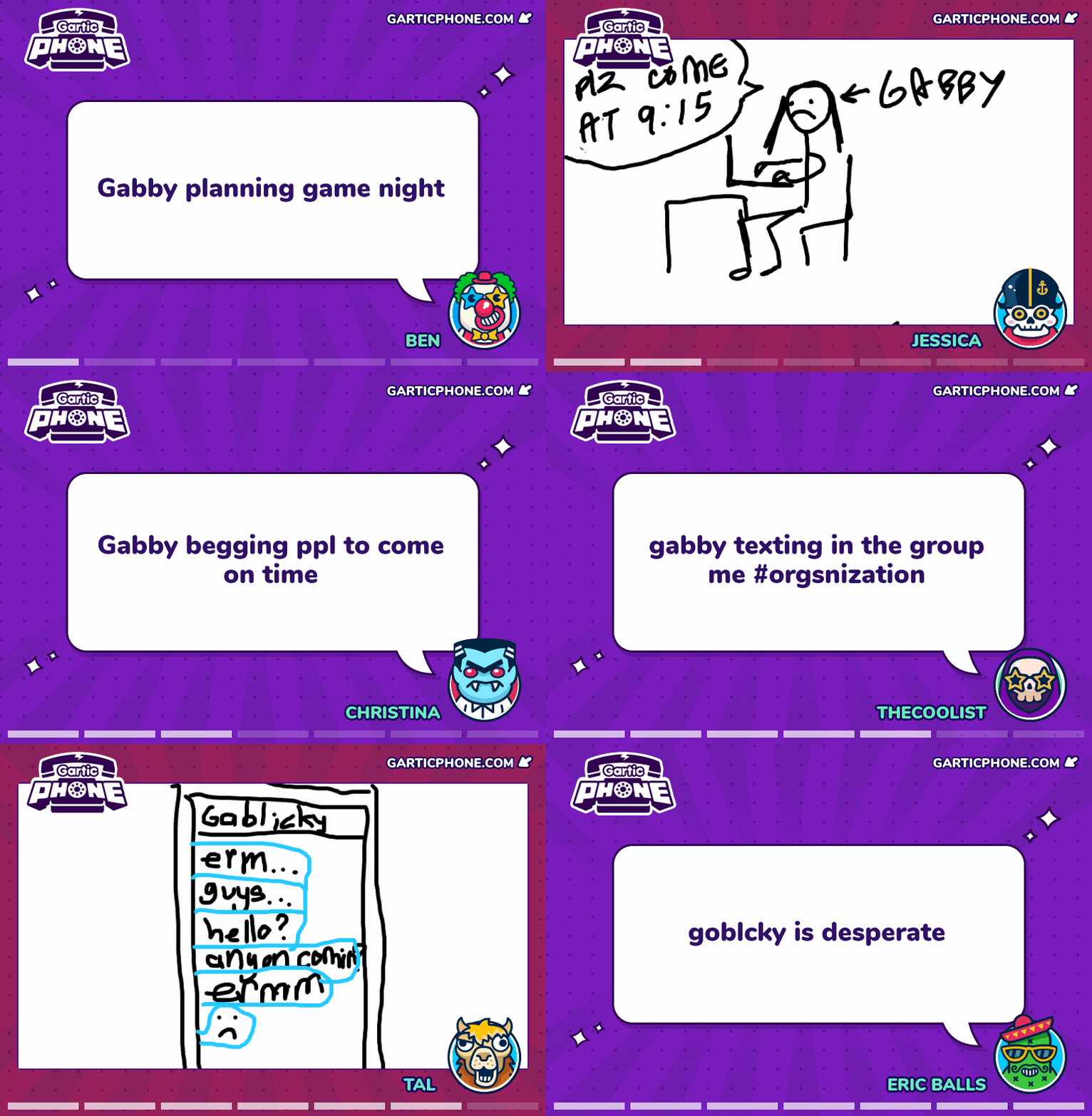
Actual Gartic Phone game played while waiting for people to arrive on time.
Game Night 2025 Attendance Rules
Attendance
20 people must RSVP for a night to happen
RSVP changes need 6 days' notice
Past that mark, >25% dropping out cancels the night
Arriving on time
First team fully present gets a later advantage
Past a 20-minute grace period, every late minute adds a 3-second penalty (capped at 3 min)
Penalties are team-wide points, applied to a specific game later in the night
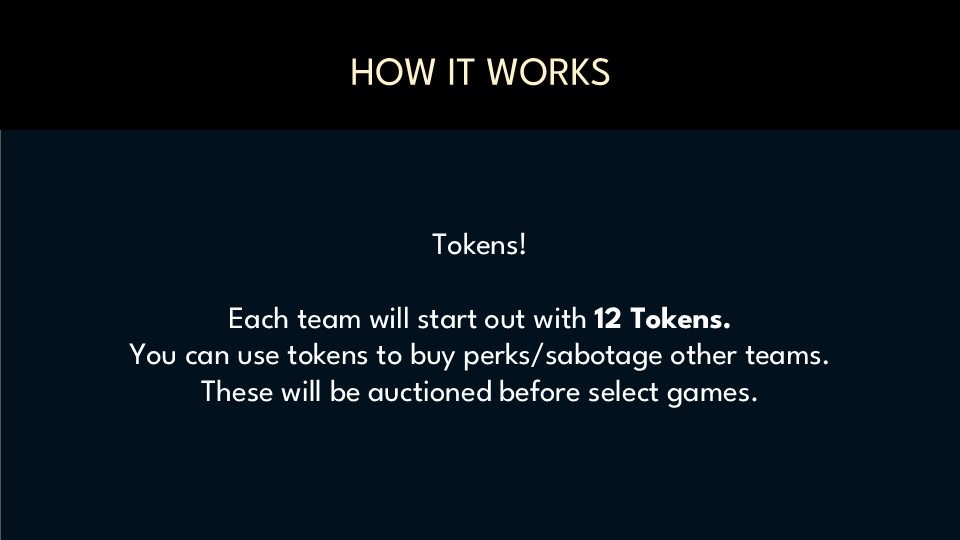
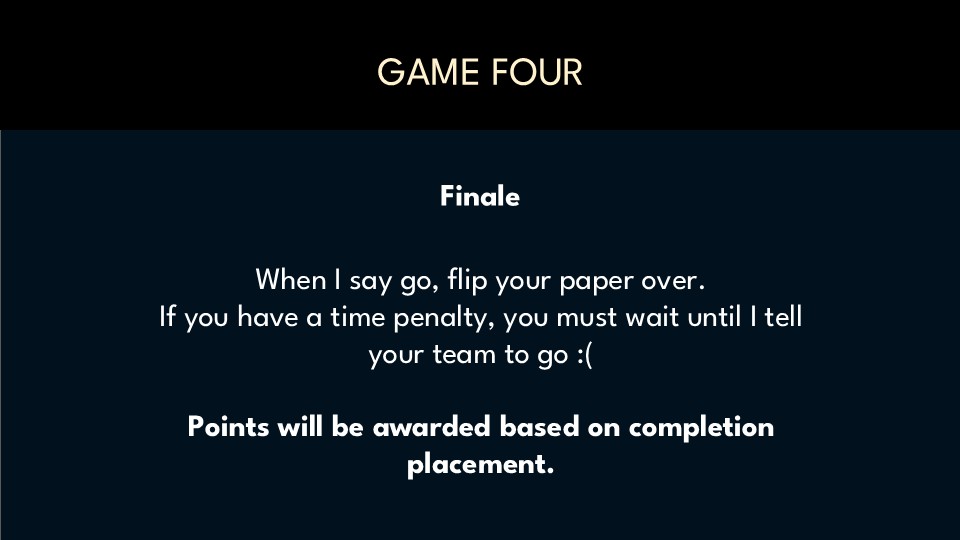
A day-of no-show costs the team a 30-second penalty
The team-wide cost was deliberate: when being late only affected you, nobody cared enough to move; once it cost your teammates too, people started holding each other accountable instead of just shrugging it off.
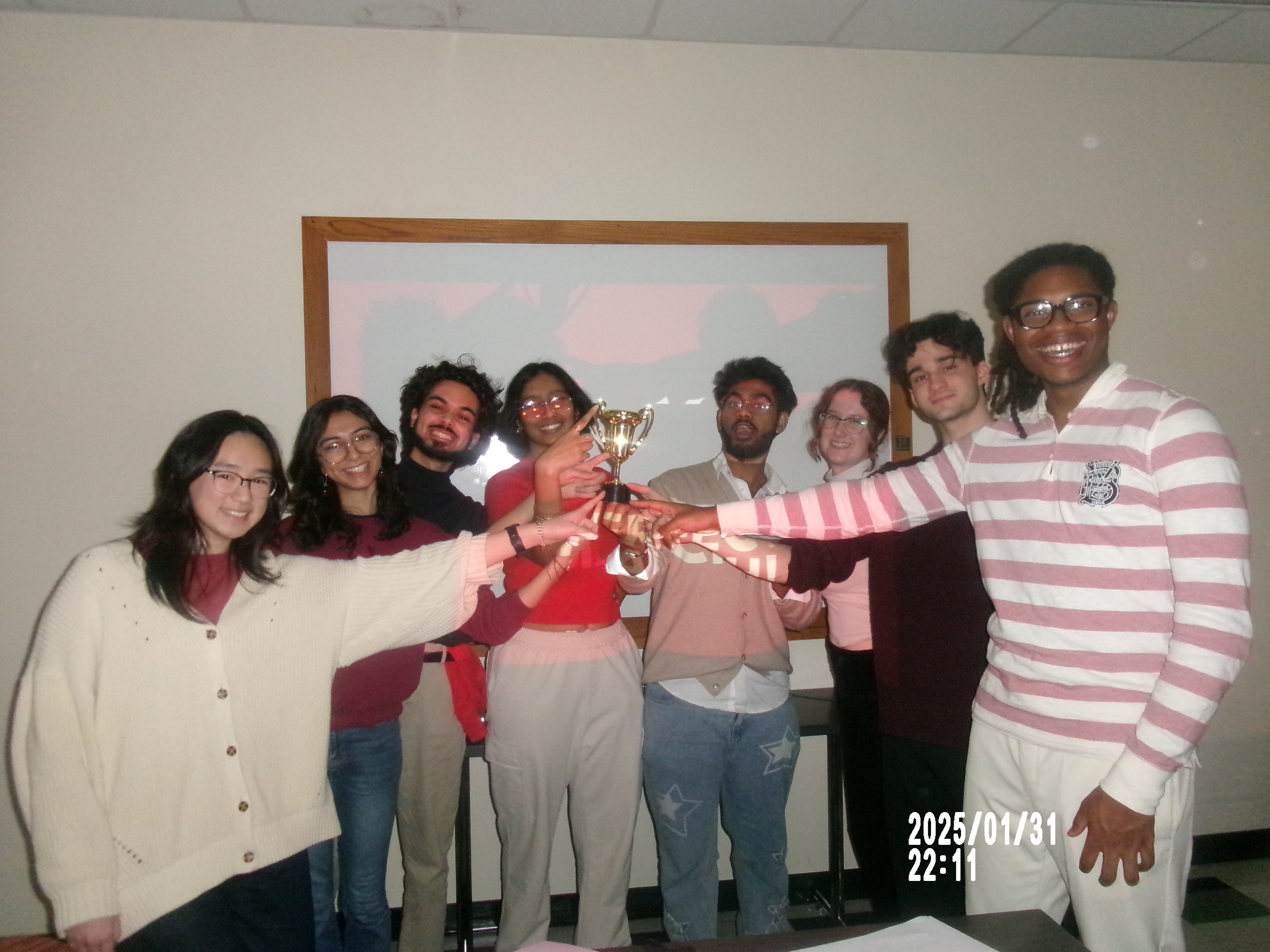
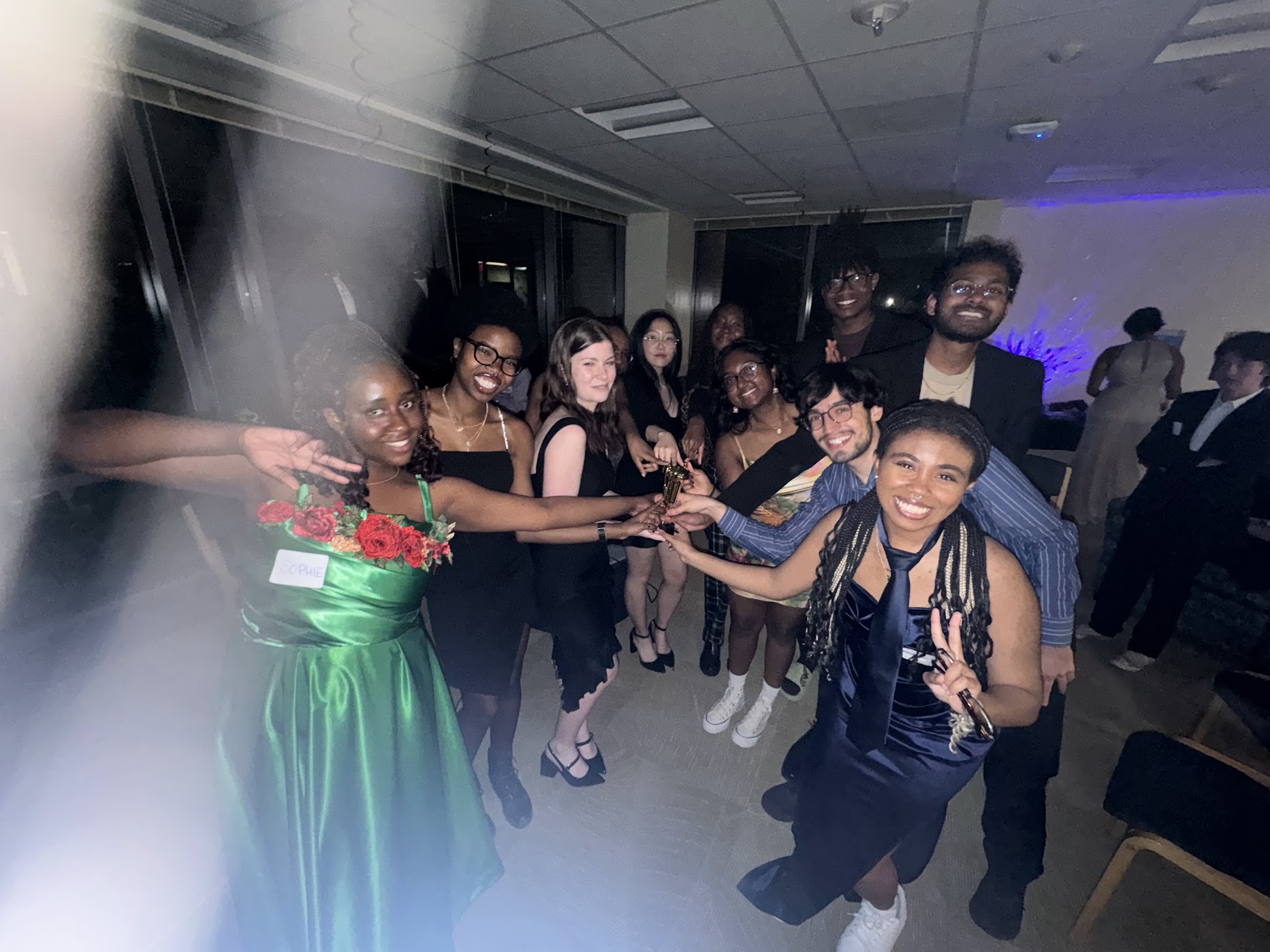
Three flagship nights.
Case studies
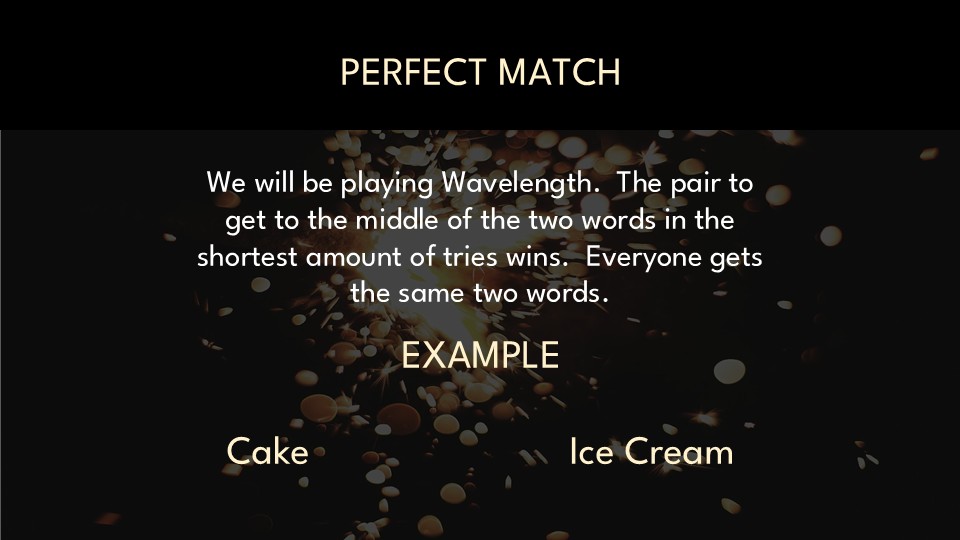
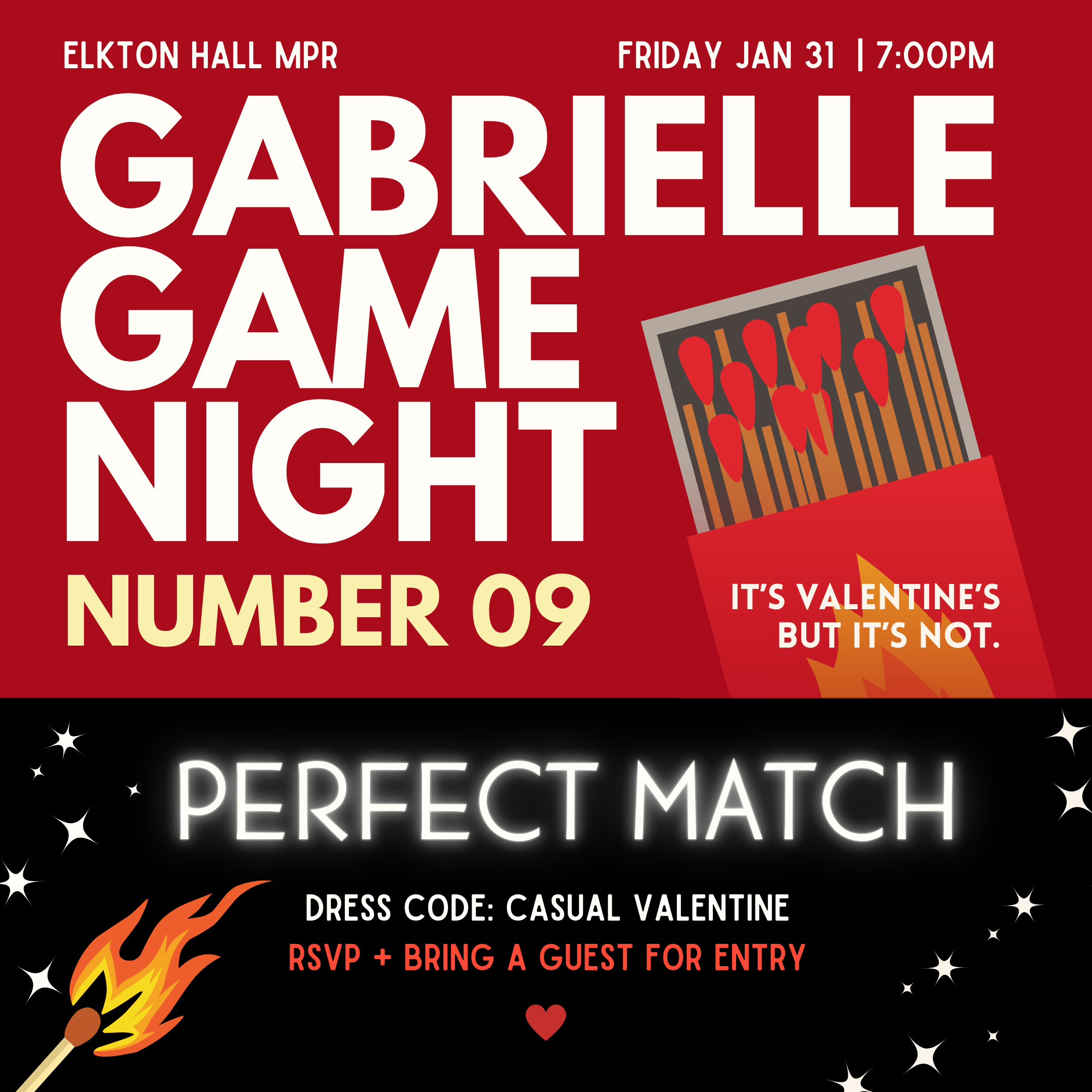
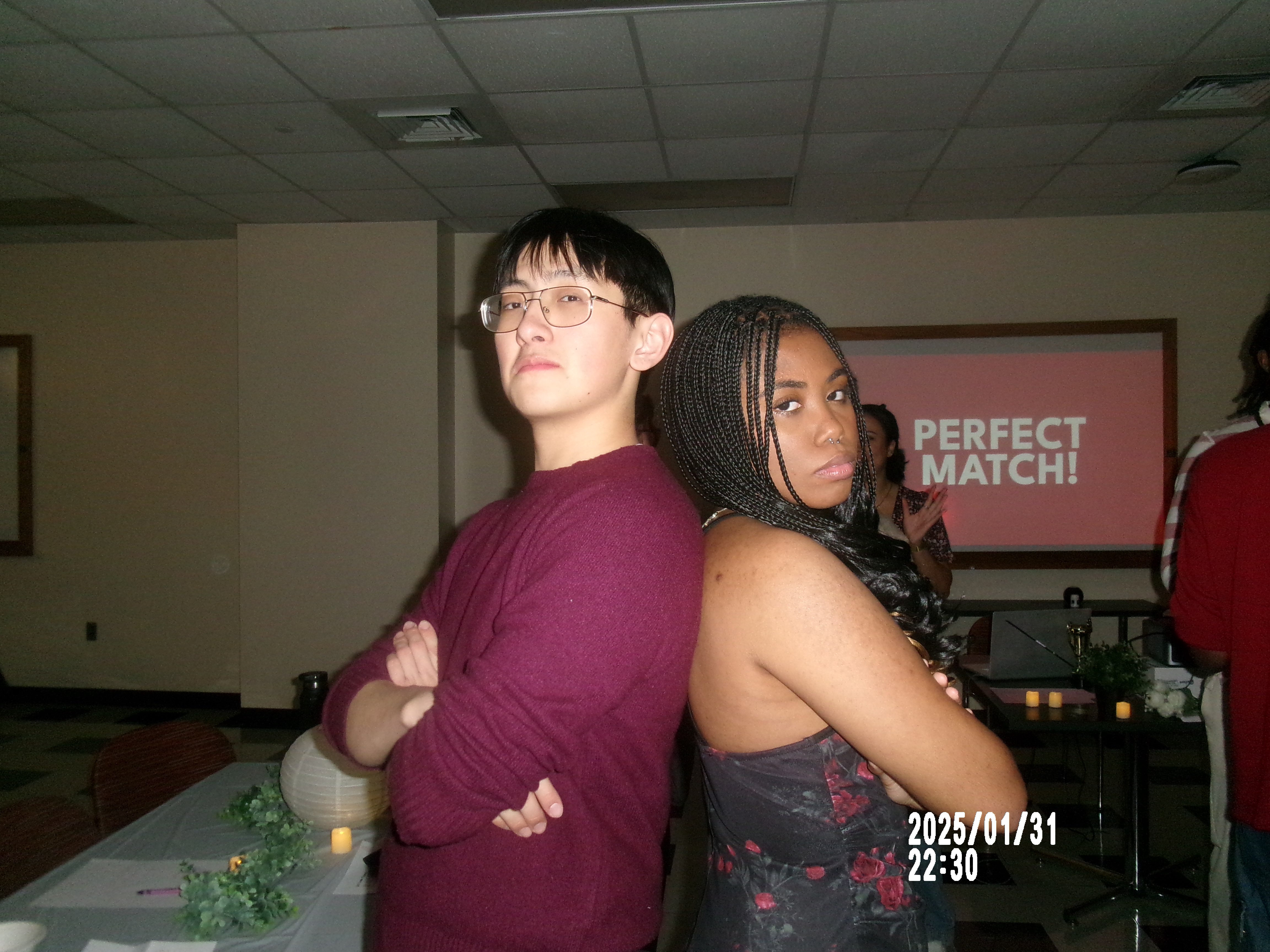
Perfect Match
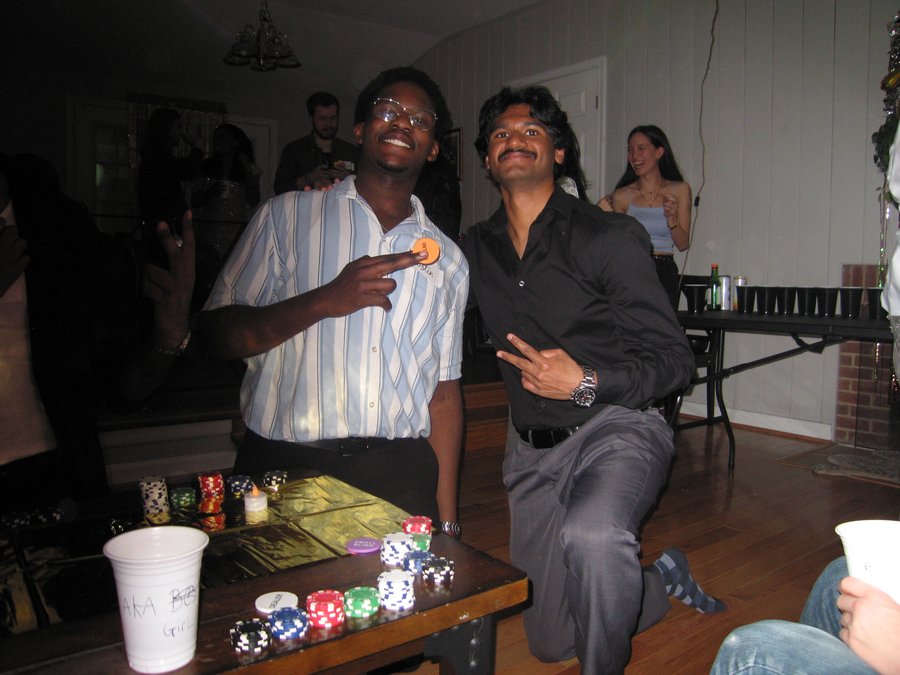
Perfect Match required people to bring a plus-one the group hadn't met, a small constraint that gave everyone a built-in, low-stakes reason to talk to someone new.
Game Night 09 Main slideshow
The murder mystery economy
For the murder mystery night, two teams were investigating who "killed" me, with what, and where; every game they won unlocked a clue toward the answer.
The New Year's crossover
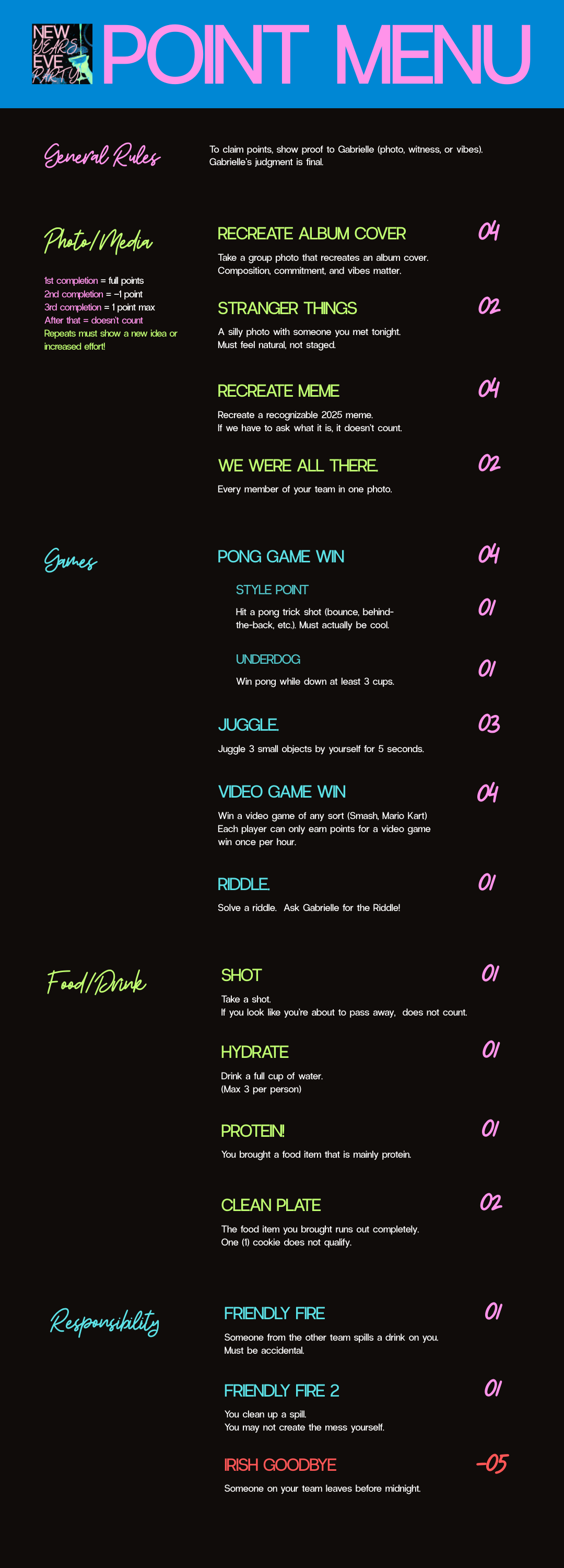
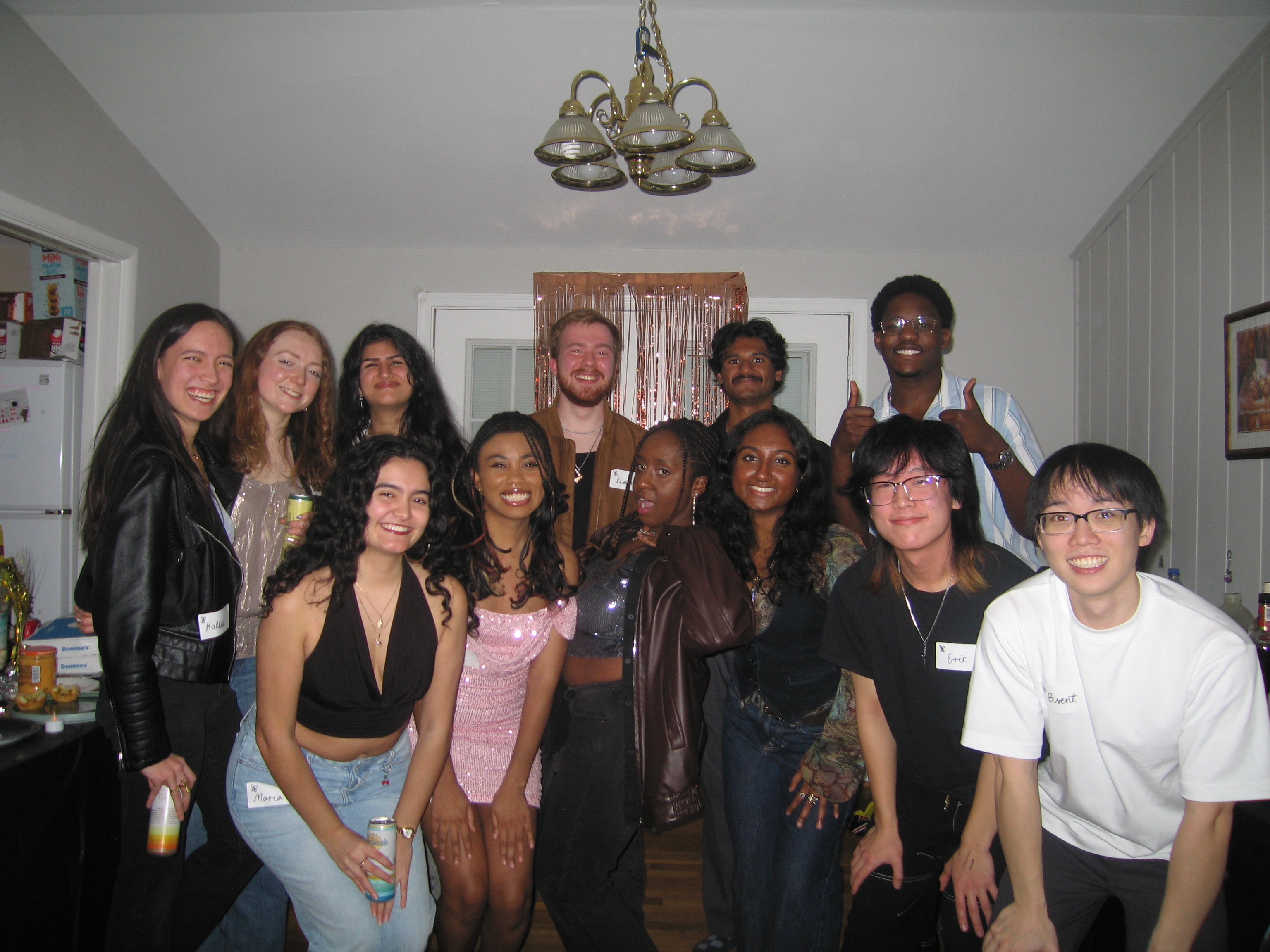
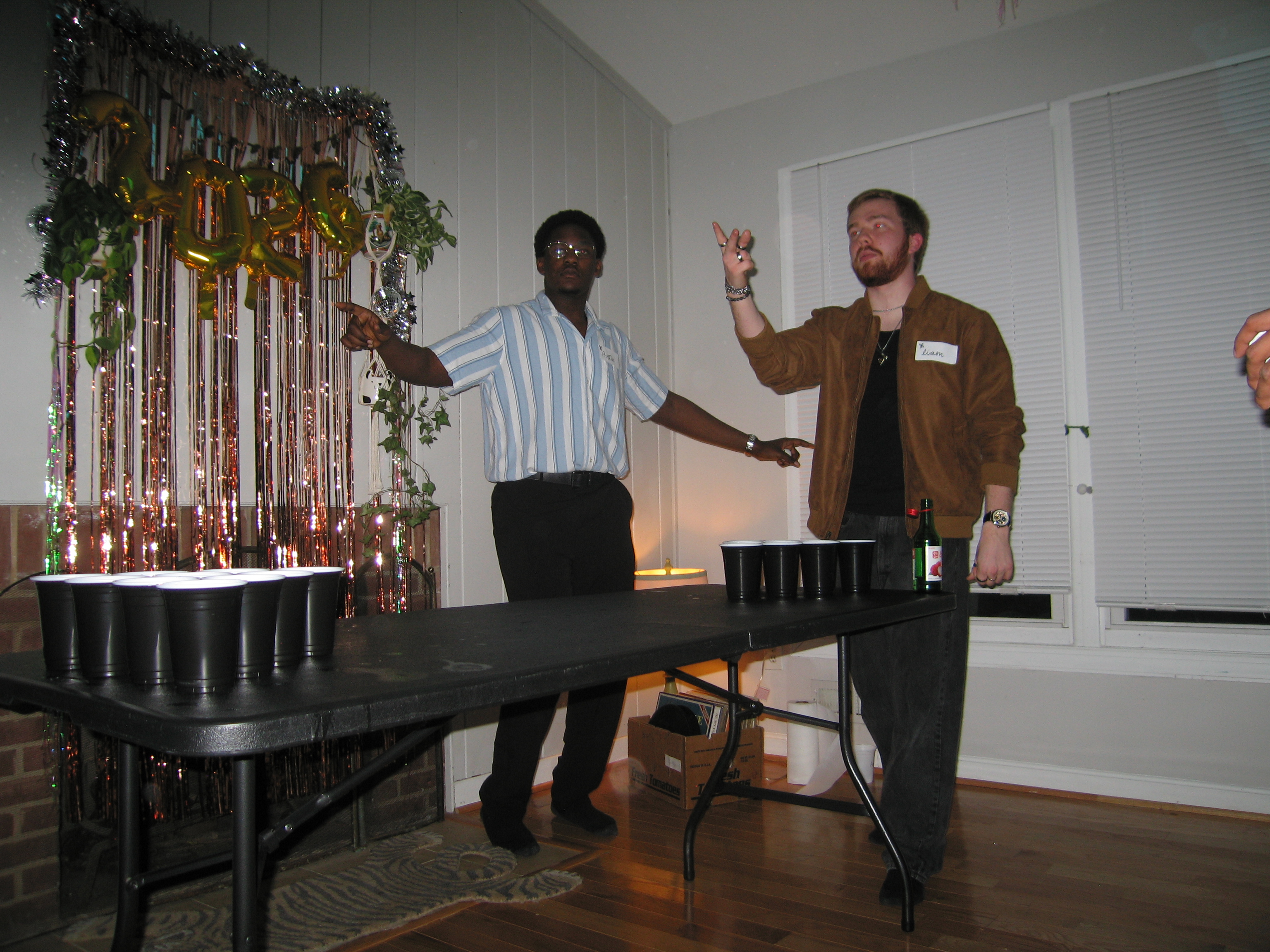
This night used a live tally board updated every thirty minutes; points from pong, flip cup, and small games built up visibly through the night instead of all landing at once at the end.
Doing a friend a favor accidentally showed me one of my biggest passions.
Looking Back
Discovering my life's work by accident.
Game Night started out as a total hobby that grew bigger and bigger organically; it originally came out of a silly ask from a friend who wanted me to host a fake game night for a date. Unlike other projects, this was completely my own from the ground up, as no one else was behind the ideation or planning. It was the moment I realized that designing for people and spaces wasn't just a hobby I should keep on the side; it was a scalable experience I could dedicate my life to and enjoy every single time
Navigating frustration and boundaries.
Running an event of this scale completely on my own taught me so much about the real logistics of hosting; I definitely got frustrated at times when people showed up late or when the sheer crowd size felt overwhelming, but I pivoted and found ways to accommodate everyone. It also taught me how to set boundaries for myself, because as a creator, it is easy to just keep building and building. I had to learn how to create rules that kept the event structured and fair without burdening people or making them feel like they couldn't just come and have fun.
Building a returning world.
Looking back, I am so glad this came out of my college experience, as it taught me how to find balance between my personal life, my time, and my work. I am really looking forward to taking Game Night outside of college and building it into a space people can constantly return to; I like to think of it as a Glass Onion type gathering, just without the murder. I am super excited to see what it becomes in the coming years as it continues to evolve.